
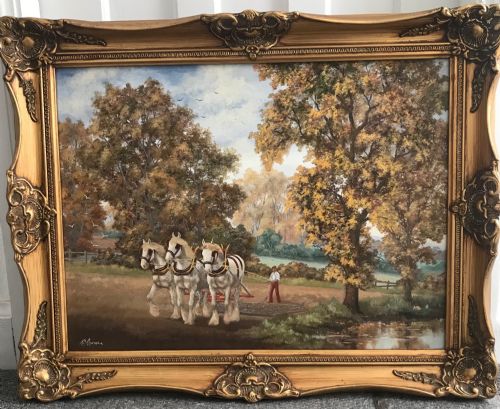
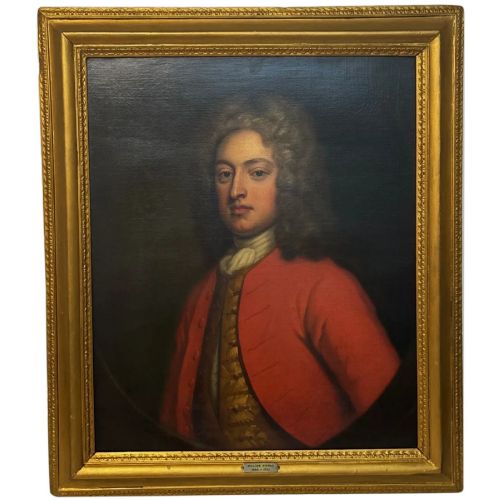
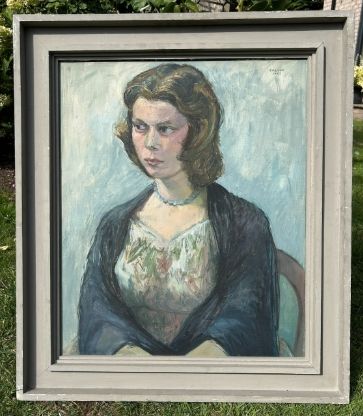
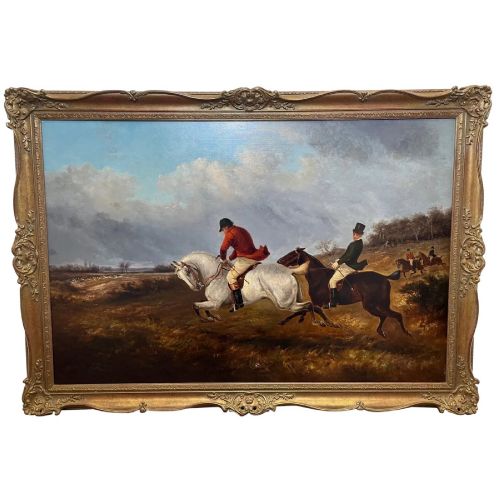
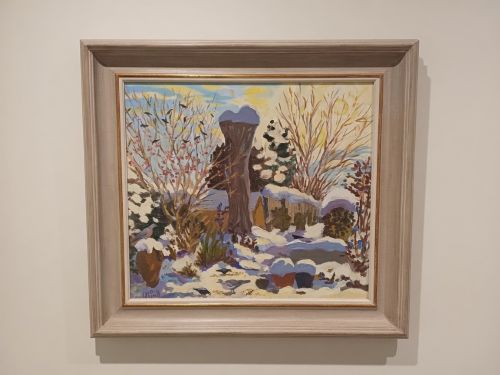
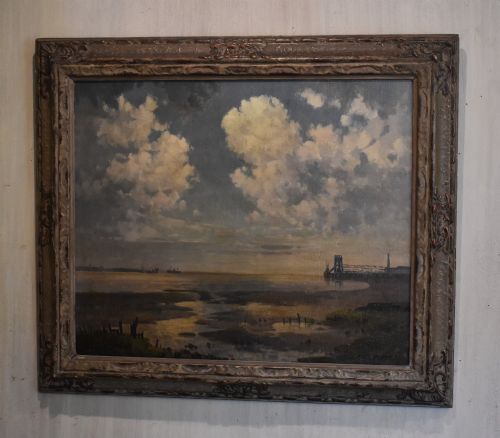
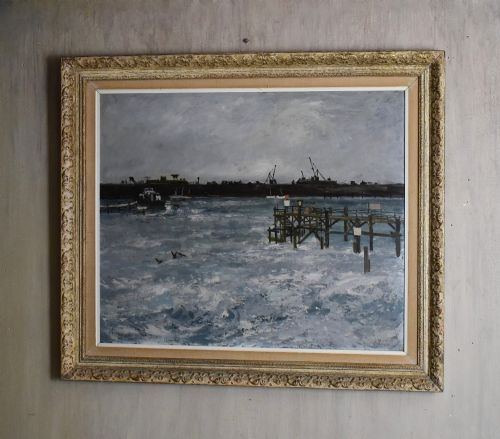
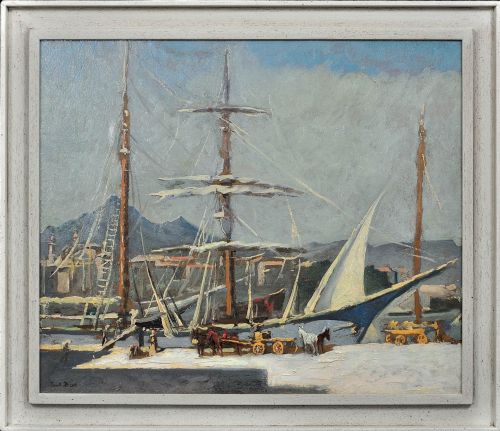


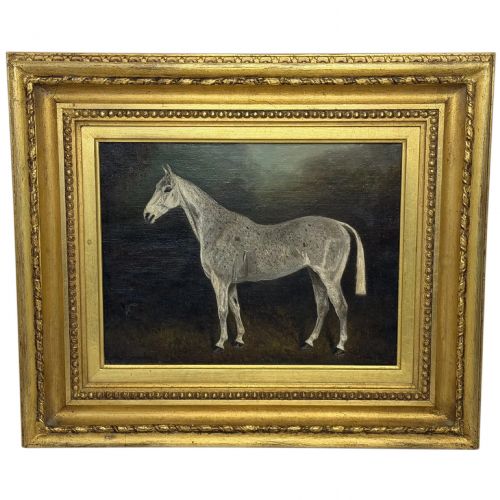
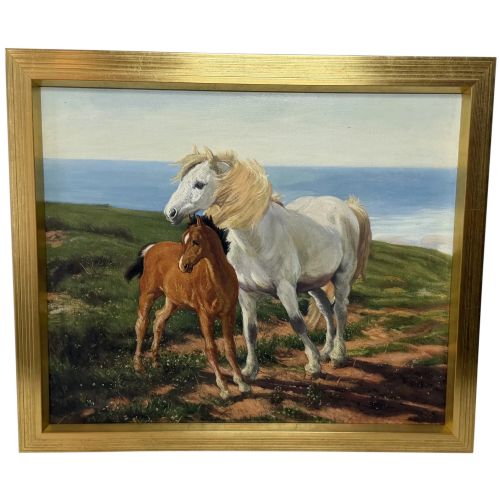
Grey Framed Canvas Artwork
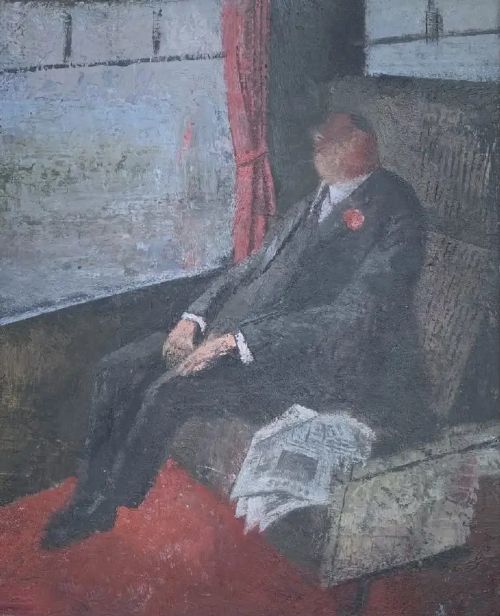
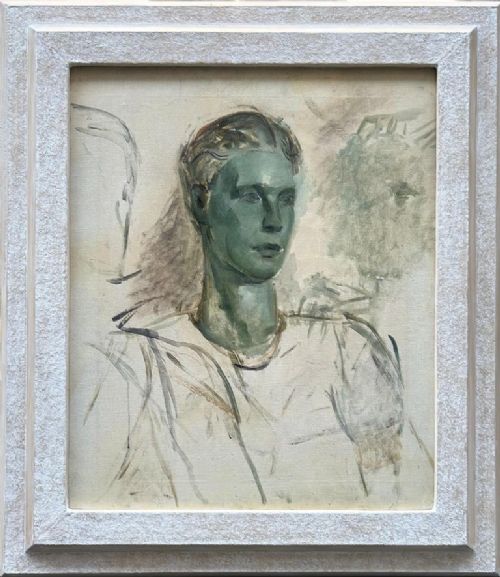
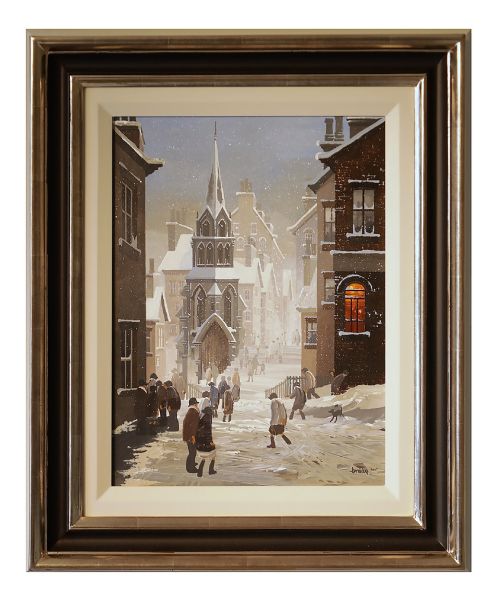
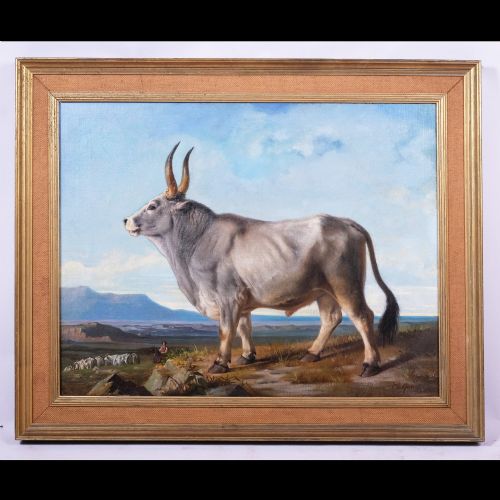
Grey framed canvas artwork brings together oil paintings on canvas set within wood and gilt frames, spanning periods from the eighteenth century to the mid-twentieth century.
Grey Framed Canvas Artwork
Grey framed canvas artwork encompasses oil paintings executed on canvas support and presented within fitted wood frames. Buyers searching this phrase encounter equine portraits, coastal landscapes, and figure studies spanning from the 17th century through to the mid-century modern era.
The selections on this page draw from British Impressionism, Post-Impressionism, and Mid-Century Modern movements, alongside traditional portraiture and sporting scenes. Many pieces utilise canvas stretched over wooden frames, complemented by painted or gilt surrounds that complement the palette of the oil paint within.
Works originate from diverse British and European schools, representing named artists and regional makers across periods including the Victorian era and the 1950s. The physical form centres on stretched canvas mounted within structural wood housings designed to protect and display the painted surface.
Materials and construction methods
These works rely on oil paint applied to woven canvas supports, utilising traditional pigments bound in drying oils to build texture and depth. Artisans stretched the fabric over rigid wooden stretcher frames to maintain tension across the composition.
Wood frames surround the canvas, frequently finished with gesso, paint, or gilt leaf to frame the pictorial space. The integration of canvas, oil medium, and timber framing reflects historical workshop practices spanning multiple centuries.
Listings feature oil paintings on canvas spanning from the seventeenth century through to the late twentieth century.
Distinctions in quality
Quality rests upon the handling of the oil medium, the expressive strength of the brushwork, and the harmony between the canvas composition and its timber frame. Stronger examples demonstrate confident draughtsmanship and careful preservation of the paint surface.
The integrity of the canvas support and the original relationship between the painting and its wood frame also influence the standing of a piece. Finer works maintain stable pigment layers and retain framing elements appropriate to their period of creation.
Kenneth Cozens·Thomas Smythe·Clive Browne·Peter Brannan·Paul Bret·John Michael Wright·Brian Shields Braaq·William Albert Clarke·Lilian Colbourn·Paul Jean Anderbouhr·Raymond Picque·Fred Pailhes·Hazel M Barnett·Gaetan Dumas·Gertrude Hayes·E H Windred·Gabriel Dauchot·Herbert Royle·Ron Folland·Edward Henry Eugene Fletcher·William Greaves·William Grant Murray
The Grey Framed Canvas Artwork Glossary
- Canvas
- A heavy woven fabric, typically linen or cotton, used as a support for oil paintings. It is stretched tightly over a wooden frame before painting begins.
- Oil Paint
- A slow-drying paint made by mixing pigments with a drying oil, commonly linseed oil. This medium allows for rich blending and textured impasto application.
- Gilt
- A thin layer of gold leaf or gold paint applied to wood frames or surfaces. It provides a reflective decorative border that enhances the artwork.
- Stretcher Frame
- A wooden framework upon which the canvas is secured and pulled taut. It prevents the fabric from sagging and keeps the painting rigid.
- Impasto
- Paint applied thickly to a canvas, standing out in relief from the surface. This technique allows brush or palette knife marks to remain visible.
Grey Framed Canvas Artwork: Frequently Asked Questions
What is grey framed canvas artwork?
Grey framed canvas artwork refers to oil paintings on stretched canvas housed within wooden frames that feature grey tones or neutral painted finishes. These pieces cover various subjects including landscapes, portraits, and sporting scenes.
Such works combine historical painting traditions with framing choices that suit contemporary and classic interior settings alike.
How should these oil paintings be displayed?
Display these works on interior walls away from direct sunlight and excessive moisture to protect the oil paint and canvas support. Ensure the hanging fixings match the weight of the wood frame.
Proper placement prevents environmental damage while allowing the framed composition to serve as a focal point in a room.
How do I identify the period of a canvas painting?
Period identification relies on examining the stretcher construction, canvas type, framing style, and the clothing or technology depicted in the subject matter. Stylistic markers of movements like British Impressionism or Mid-Century Modern also offer clues.
Comparing these physical and aesthetic traits with documented artist working dates helps narrow down the era of creation.
Were these paintings always in their current frames?
Many older oil paintings have been reframed over their lifespan to suit changing decorative tastes or to replace damaged original surrounds. Some retain period-appropriate wood or gilt frames contemporaneous with the canvas.
Evaluating the fit and wear of the frame relative to the painting helps determine whether they have been paired together long-term.