



Grey Canvas Marine Art
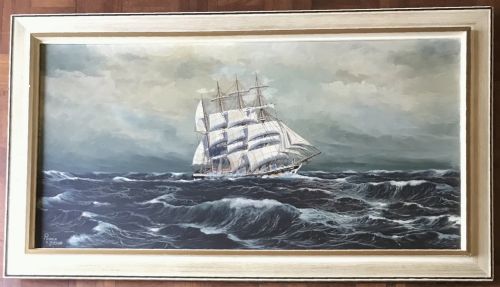
Grey canvas marine art captures coastal scenes and maritime subjects on fabric supports across the nineteenth and twentieth centuries.
Grey Canvas Marine Art
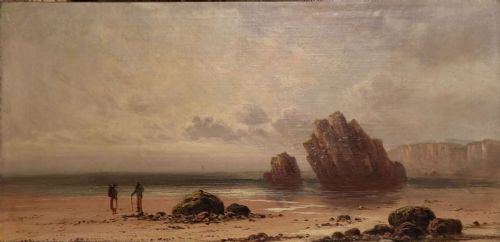
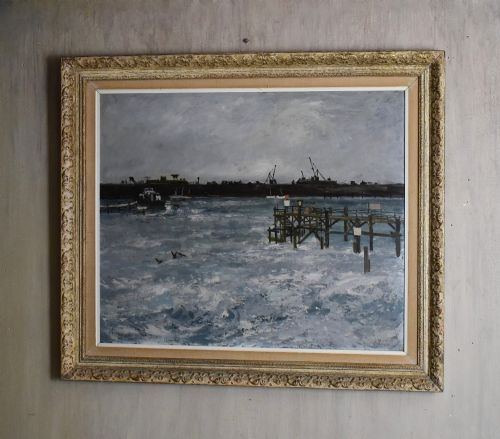
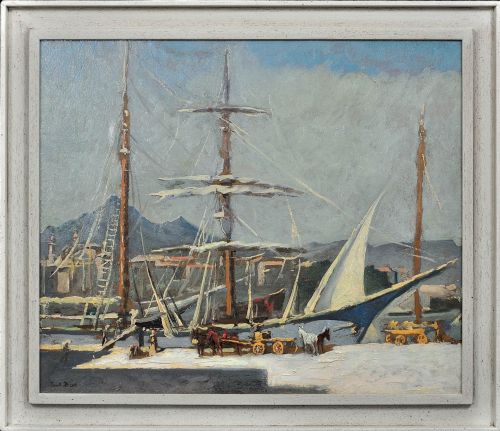
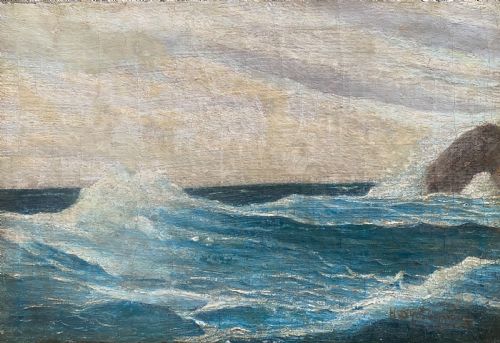
Buyers seeking grey canvas marine art find oil paintings depicting coastal landscapes, harbour scenes, and stormy seas from periods spanning the Victorian era through the mid twentieth century. The selection includes works aligned with British Impressionism, 19th Century Realism, and post-war styles.
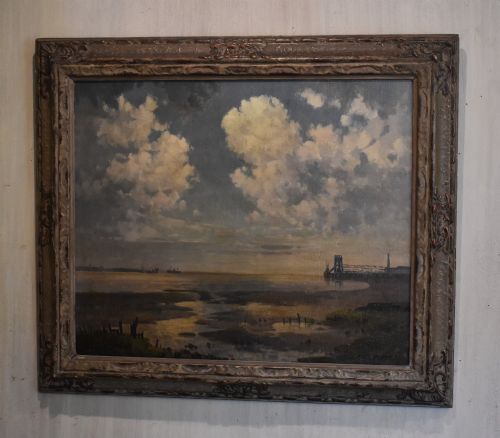
The version most commonly met on this page is the framed oil painting on canvas or board, originating from British, French, and Belgian studios. These works frequently document working vessels, river traffic, and dramatic shorelines under overcast or atmospheric skies.
Materials and Techniques
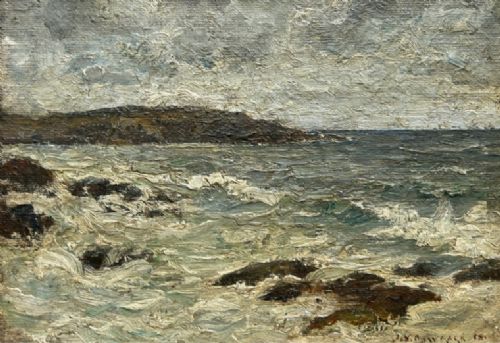
These works rely primarily on oil paint applied to woven canvas supports, occasionally utilising board as a rigid base. Artists built surface texture through layered brushwork and impasto techniques to capture the movement of water and atmospheric weather.
Frames incorporate carved and gilded wood, providing structure and historical context for the paintings. The combination of oil medium and canvas ground allowed makers to build rich tonalities suited to maritime subjects.
Several artists captured bustling harbour promenades where sailors, merchants, and seagulls shared the salty air.
Distinctions in Quality
Quality rests upon the artist's ability to render light, water movement, and atmospheric conditions convincingly within the composition. Superior examples demonstrate confident handling of paint and precise tonal balance, particularly in depicting complex marine architecture and changing weather.
The strength of the provenance and the clarity of attribution also influence the standing of a piece. Works bearing documented signatures from recognised painters command greater attention than anonymous studio output.
Kenneth Cozens·Clive Browne·Peter Brannan·Paul Bret·Edward Henry Eugene Fletcher·Charles Sim Mottram·Owen Bowen·George Gregory·John Callow·Paul Jean Clays·Frank Myers Boggs·Bertram Priestman
The Grey Canvas Marine Art Glossary
- Impasto
- Paint applied thickly to a canvas, standing out in relief from the surface. This technique allows the artist to build tactile texture that catches the light.
- Seascape
- A work of fine art depicting the sea, coastlines, or marine vessels. These subjects formed a central focus for maritime painters across the nineteenth and twentieth centuries.
- Gilt
- A thin layer of gold leaf applied to wood frames. This finish protected the underlying material while adding decorative warmth.
- Post-Impressionism
- An art movement extending beyond impressionist methods to emphasise symbolic content and heavier structure. Works in this vein often use simplified forms and expressive brushwork.
Grey Canvas Marine Art: Frequently Asked Questions
What periods do these marine paintings date from?
The available selection spans from the nineteenth century through the mid twentieth century, encompassing Victorian maritime works and post-war interpretations.
Specific decades represented include the 1900s, 1910s, 1920s, and 1950s, showing evolving approaches to coastal art over time.
How were these coastal scenes traditionally displayed?
These oil paintings were typically housed in wood frames, often with gilt detailing to complement the interior domestic spaces of their era.
The framing served both to protect the canvas edges and to provide a defined border for the atmospheric marine subject matter.
How do I care for an oil painting on canvas?
Maintain stable indoor humidity and temperature levels away from direct sunlight to preserve the oil pigments and the underlying canvas support.
Dust the surface gently with a soft, dry brush, avoiding liquid cleaners or harsh chemicals that could damage the paint layers.
What subjects appear most frequently in these works?
Common subjects include working barges, harbour promenades, stormy seas, and quiet coastal inlets across Britain, France, and other European shores.
Artists frequently recorded maritime trades, fishing vessels, and dramatic rock formations under changing weather conditions.