





Mid Century French Seascape
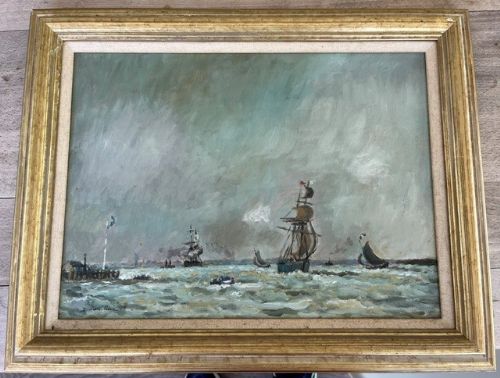
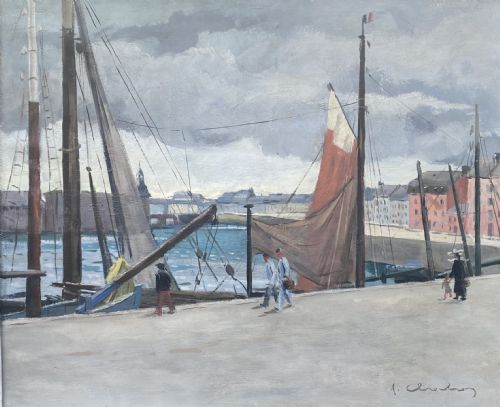
These mid century french seascape works capture harbours and coastal views across decades like the nineteen thirties and nineteen sixties.
Mid Century French Seascape
When you search for mid century french seascape, you encounter oil paintings and watercolours depicting coastal scenes, ports and harbours. These works originate from locations such as Toulon, Concarneau and Cannes, anchored in the artistic traditions of regions like Provence and Brittany.
The pieces on this page span the nineteen thirties, nineteen forties, nineteen fifties and nineteen sixties. You meet subjects ranging from bustling harbour promenades with figures to open sea views and traditional fishing ports.
Makers and artists represented include Erich Mercker, Raymond Picque, Roger de la Corbiere and Yves Brayer, alongside outsider and naive artists. The styles vary from post-impressionism and mid-century impressionism to abstract impressionism, French modernism and naive art.
Materials and Construction
Artists painted these seascapes using oil paint or water colour applied to canvas, board or paper. Some prints on board also feature oil embellishments and textured surfaces.
Frames often incorporate gesso and wood to support and display the canvas or board. The physical support ranges from stretched canvas to solid board panels.
Listings feature oil paint, canvas, board, gesso and water colour across periods from nineteen thirty to nineteen sixty.
Assessing Quality and Execution
Quality rests in the handling of paint and the execution of light and movement within the coastal setting. Dynamic modernist brushwork or delicate post-impressionist application distinguishes finer examples from simpler naive works.
The presence of a known artist's signature, historical context and documentation regarding specific locations like Quai Cronstadt add depth to a piece. Materials also play a role, as genuine oil on canvas or board holds greater presence than embellished prints.
Erich Mercker·Raymond Picque·Roger de la Corbiere·Yves Brayer
The Mid Century French Seascape Glossary
- Oil on Canvas
- Pigment mixed with drying oil applied to a woven fabric support. This traditional method provides a flexible yet durable surface for textured brushstrokes.
- Board
- A rigid flat panel used as a painting support instead of stretched fabric. It offers a solid ground often utilised for mid-century works.
- Gesso
- A paint mixture consisting of a binder mixed with chalk, gypsum or pigment. It prepares rigid surfaces and decorates wooden frames.
- Post-Impressionism
- An artistic movement extending impressionism while rejecting its limitations. Artists use vivid colours and distinct brushstrokes to portray coastal scenes.
- Naive Art
- Visual art created by a person without formal training. These works display a childlike simplicity in perspective and proportion.
Mid Century French Seascape: Frequently Asked Questions
What periods do these seascapes cover?
The works span from the nineteen thirties through to the nineteen sixties, capturing mid-century aesthetics across several decades.
Changes in palette and technique reflect the evolution from early twentieth-century post-impressionism to later modernist approaches.
Where were these coastal scenes painted?
Locations include southern ports like Toulon and Cannes alongside northern fishing ports in Brittany such as Concarneau.
Artists recorded specific quays, harbours and promenades along the French coastline during summer and pre-war periods.
How do I display a framed oil painting?
Keep the artwork away from direct sunlight and excessive humidity to protect the oil paint, canvas and wooden or gesso frame.
Ensure wall fixings safely support the weight of framed board or canvas pieces.
What is the difference between oil on canvas and oil on board?
Canvas provides a flexible woven fabric stretched over a wooden frame, offering a traditional texture for brushwork.
Board presents a rigid, solid panel that artists frequently utilised during the mid-century period for stability.