



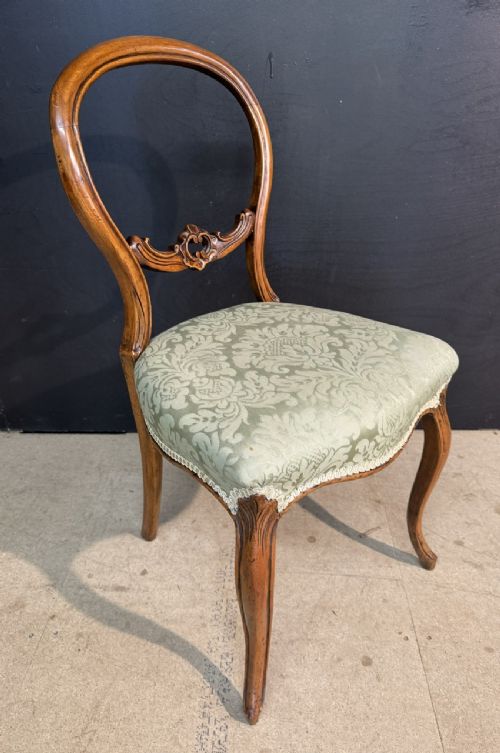
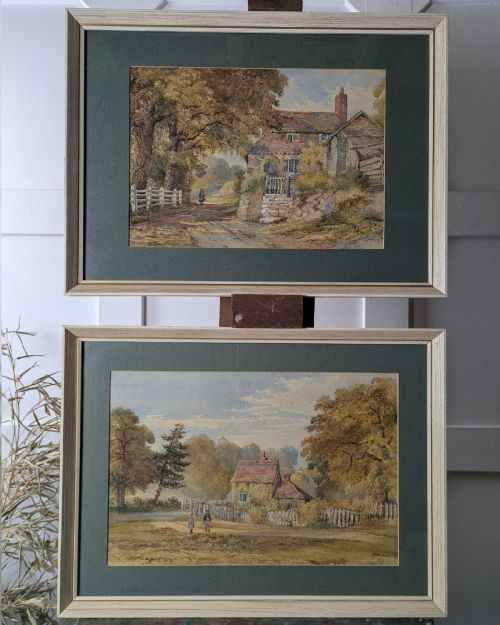


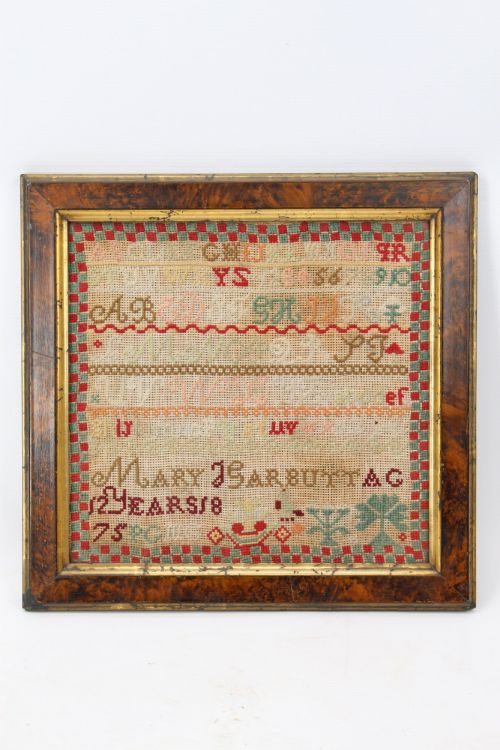
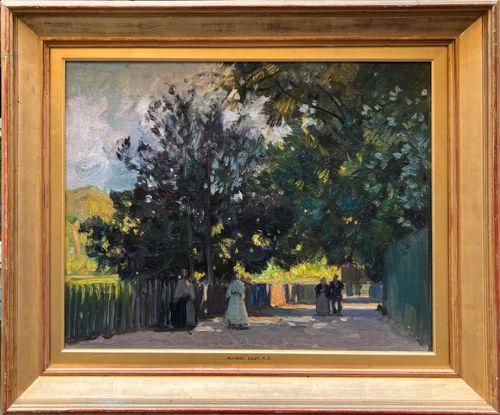
Green Wood Frame
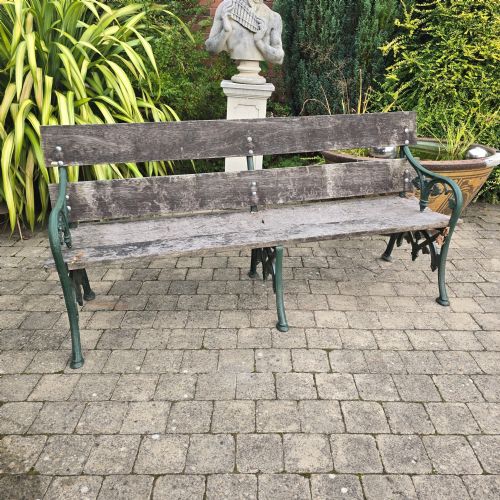
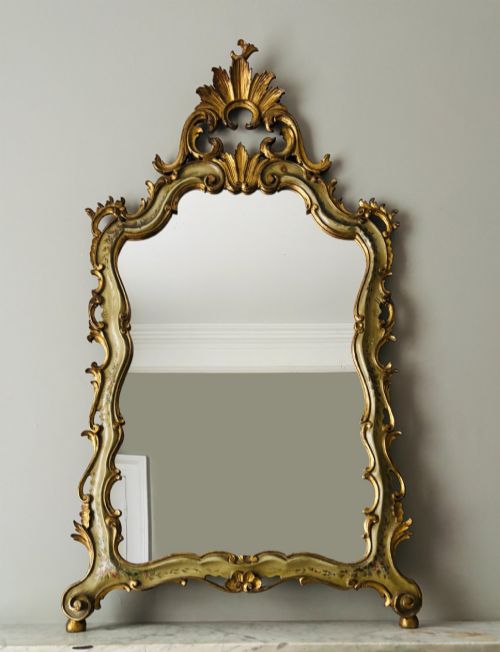
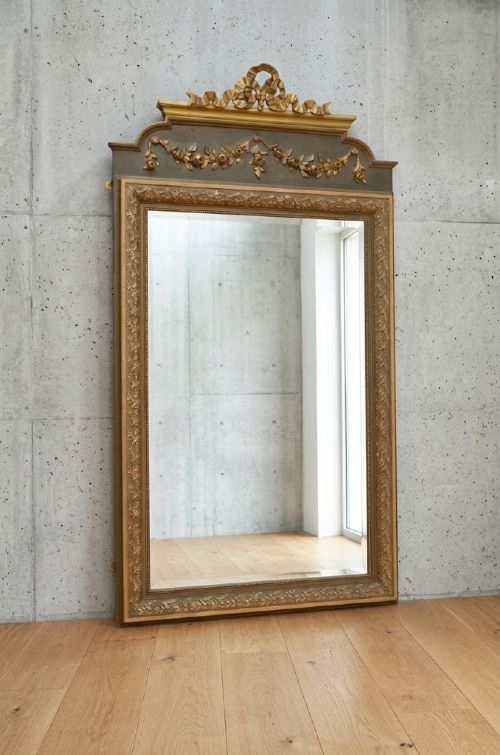
A green wood frame brings together natural timber structure and painted or polished finishes, housing everything from oils to mirrors.
Green Wood Frame
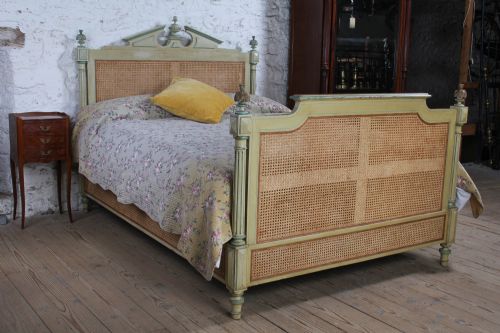
A green wood frame encompasses structural timber surrounds and painted decorative borders finished in various shades of olive or sage.
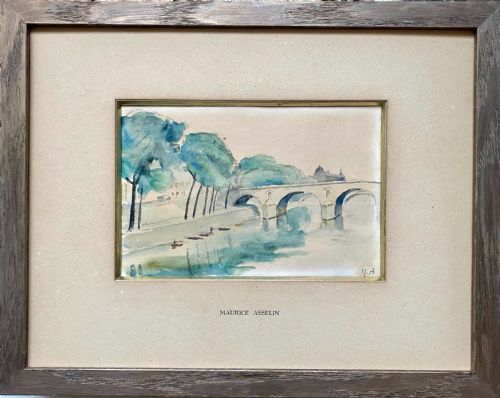
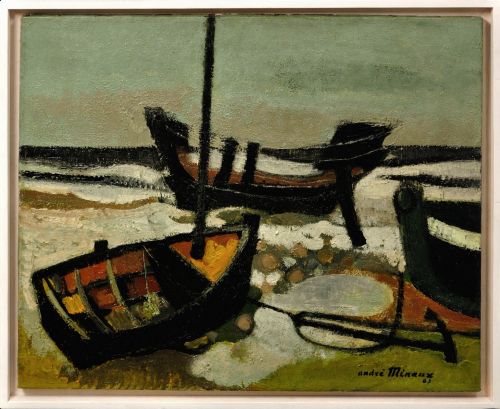
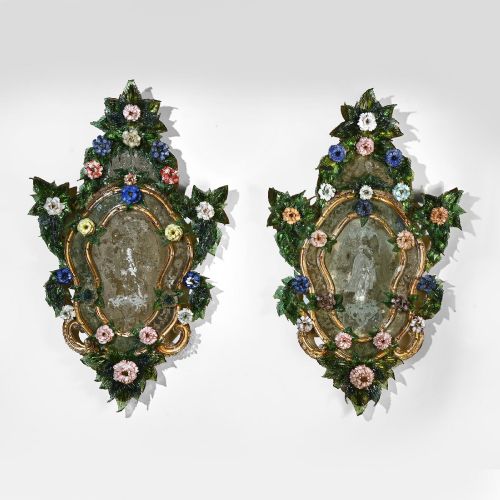
The selections span wall mirrors and oil paintings set within period surrounds, reflecting nineteenth-century and early twentieth-century tastes.
Buyers encounter items ranging from Edwardian satinwood mirrors with green fabric accents to solid wood housings enclosing nineteenth-century panels.
Materials and Technique
Wood serves as the primary structural element, shaped into solid members or built up with gesso and gilt highlights.
Makers applied oil paint, pigments, and gilt finishes directly onto timber substrates to achieve the characteristic green coloration.
Canvas, paper, and glass inserts complete the compositions, secured within rebated frames using traditional joinery methods.
Green Wood Frame Retail Price Guide 2026
Typical asking prices for green wood frame among the pieces listed under this phrase on Sellingantiques today, from the lower quarter to the upper quarter. They describe what is for sale here now, not the wider market.
Listings feature items utilising wood, glass, canvas, paper, oil paint, and fabric across Victorian and Edwardian periods.
Assessing Quality
The refinement of carved ornament and the integrity of the underlying timber structure distinguish superior examples from simpler utilitarian pieces.
Original painted surfaces retain their depth and character over time, whereas later repainting alters the visual balance of the object.
The harmony between the artwork or mirror plate and its surrounding frame indicates intentional design rather than a later pairing.
W Klombeck·Robert A Nottingham·Valentine Green·Maria Hadfield Cosway·George Oyston·William Bazeley And Sons·Sydney Yates Johnson·Hubert Wellington·Joseph Edward Hennah·Thomas Bromley Blacklock·Thomas Edward Roberts
The Green Wood Frame Glossary
- Satinwood
- A durable timber known for its fine grain and lustrous appearance, frequently utilised in Edwardian decorative pieces.
- Gesso
- A plaster-like mixture applied to wood surfaces to create a smooth base for gilding and painting.
- Rebate
- The recess cut into the back of a frame to hold a panel, canvas, or mirror securely in place.
- Polychrome
- The practice of decorating architectural elements or objects in a variety of painted colours.
Green Wood Frame: Frequently Asked Questions
How do I date a green wood frame?
Dating relies upon examining the construction techniques, timber species, and pigment types visible on the piece. Secondary wood types and fixings often provide clear indicators of the period.
Stylistic cues such as Edwardian satinwood use or Victorian carving motifs help narrow down the decade of manufacture when combined with physical inspection.
Are these frames suitable for modern interiors?
These pieces adapt readily to contemporary rooms by adding textural warmth and historic contrast to neutral walls. Their natural hues bridge the gap between traditional craftsmanship and modern decor schemes.
Placement should avoid direct sunlight and excessive humidity to preserve the painted surfaces and wooden structures.
What is the difference between a mirror frame and a painting frame?
Painting frames are constructed to support stretched canvas or wooden panels, often featuring deeper rebates and structural bracing. Mirror frames incorporate robust fixings designed to bear the weight of heavy glass plates.
Both utilise similar decorative techniques, including applied gesso and painted finishes.
How should I clean a painted wooden frame?
Maintenance requires gentle dusting with a dry, soft cloth to prevent particulate buildup on the surface. Moisture and chemical cleaning agents must be avoided to protect fragile paint layers.
Professional conservation is recommended if the painted finish shows signs of flaking or instability.