
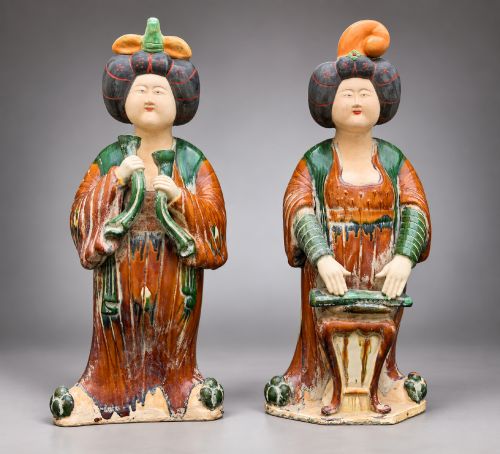
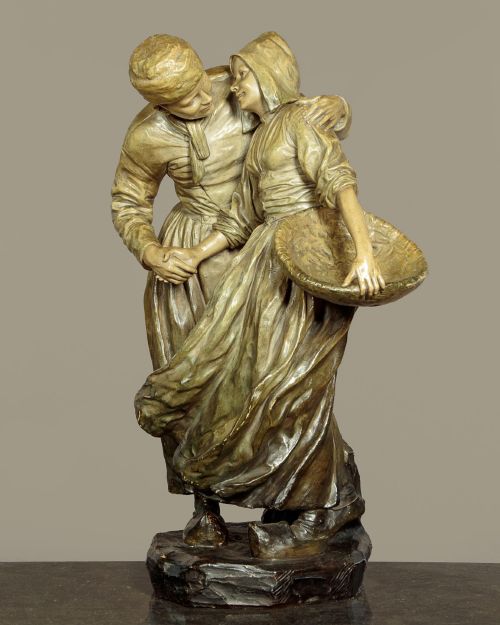


Green Terracotta Statue
These green terracotta statue pieces bring remarkable sculptural presence and rich glaze work to any interior.
Green Terracotta Statue
When you search for green terracotta statue pieces, you encounter a diverse range of figurative sculptures, decorative figures, and roof ornaments spanning the nineteenth and twentieth centuries. The selection encompasses European workshops alongside pieces executed in Asian ceramic styles.
You are most likely to meet European terracotta figures from the Art Nouveau and classical traditions, alongside pottery figures inspired by earlier Chinese dynasties. These items function primarily as decorative sculptures and interior ornaments rather than utilitarian vessels.
The objects range from single classical busts and female figures to substantial pairs of musician figures and architectural roof ornaments. Each piece reflects the specific aesthetic priorities of its period of origin, from nineteenth century European realism to stylized Asian forms.
Materials and construction
Glazing techniques vary from rich sancai type finishes on pottery figures to metallic bronzed treatments on nineteenth century terracotta busts. These surface treatments determine the characteristic colouration and sheen of each sculpture.
Musical bands of pottery musicians bring permanent silent rhythm to any mantelpiece.
Assessing quality in these sculptures
Quality reveals itself in the crispness of the modelling and the depth of the glaze or surface finish. Finer sculptures display attentive detail in the facial expressions and anatomical rendering of the figures.
The integrity of the terracotta or ceramic body and the preservation of the original surface paint, glaze, or gilt distinguish superior examples. Workshop execution plays a major role, with established factories achieving greater refinement in form and finish.
Royal Dux Bohemia·Goldscheider
The Green Terracotta Statue Glossary
- Terracotta
- A porous fired clay used for sculptural works. It is often painted, glazed, or bronzed after firing.
- Sancai
- A type of lead glazed pottery associated with Chinese forms. The glaze typically incorporates green, amber, and cream tones.
- Earthenware
- A common ceramic material fired at lower temperatures than porcelain. It requires glazing to become impermeable to water.
- Roof Ornament
- An architectural ceramic piece placed on rooflines. These figures often depict protective animals or mythical creatures.
- Art Nouveau
- A decorative style prominent around nineteen hundred characterised by flowing natural lines. Sculptures from this period frequently depict graceful female figures.
Green Terracotta Statue: Frequently Asked Questions
What periods do these sculptures date from?
The listings include works from the nineteenth century alongside pieces produced in the early twentieth century. Several items also adopt earlier stylistic traditions such as Tang and Ming dynasty aesthetics.
This span allows collectors to choose between European Art Nouveau interpretations and traditional Asian ceramic styles.
How were these decorative figures used?
European figures typically served as interior decorative sculptures on mantelpieces, pedestals, or console tables. Architectural roof ornaments had a functional placement on exterior roof structures.
Over time, many architectural ornaments transitioned into interior decorative collections due to their striking sculptural qualities.
Are these pieces made of solid clay?
Most sculptural figures of this size are cast or modelled with hollow interiors to ensure even drying and firing. This construction method reduces weight while maintaining structural strength.
Surface finishes such as glazes, paint, or bronzing are subsequently applied to the exterior.
How do I distinguish European terracotta from Asian ceramic styles?
European terracotta pieces often feature nineteenth century classical or Art Nouveau styling, sometimes with painted or bronzed finishes. Asian style pieces frequently utilise sancai lead glazes on pottery bodies.
Examining the modelling conventions and glaze types provides clear indicators of origin.