


Green Tapestry Armchair
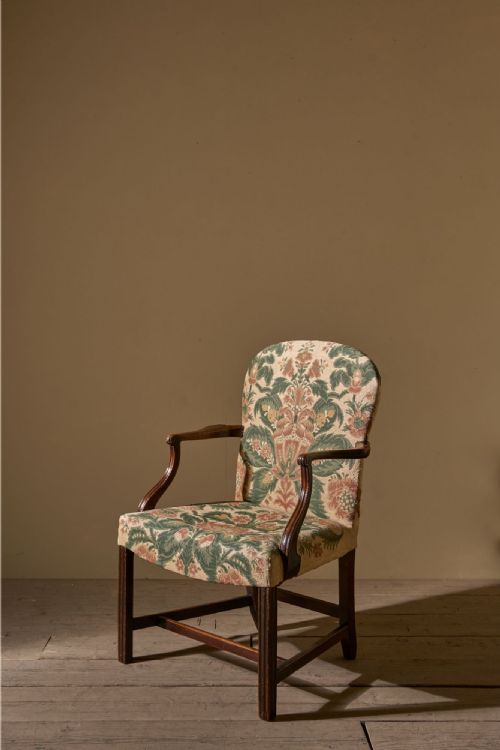
A green tapestry armchair brings heavy historic textile work and sturdy timber together in a single seat that grounds a room.
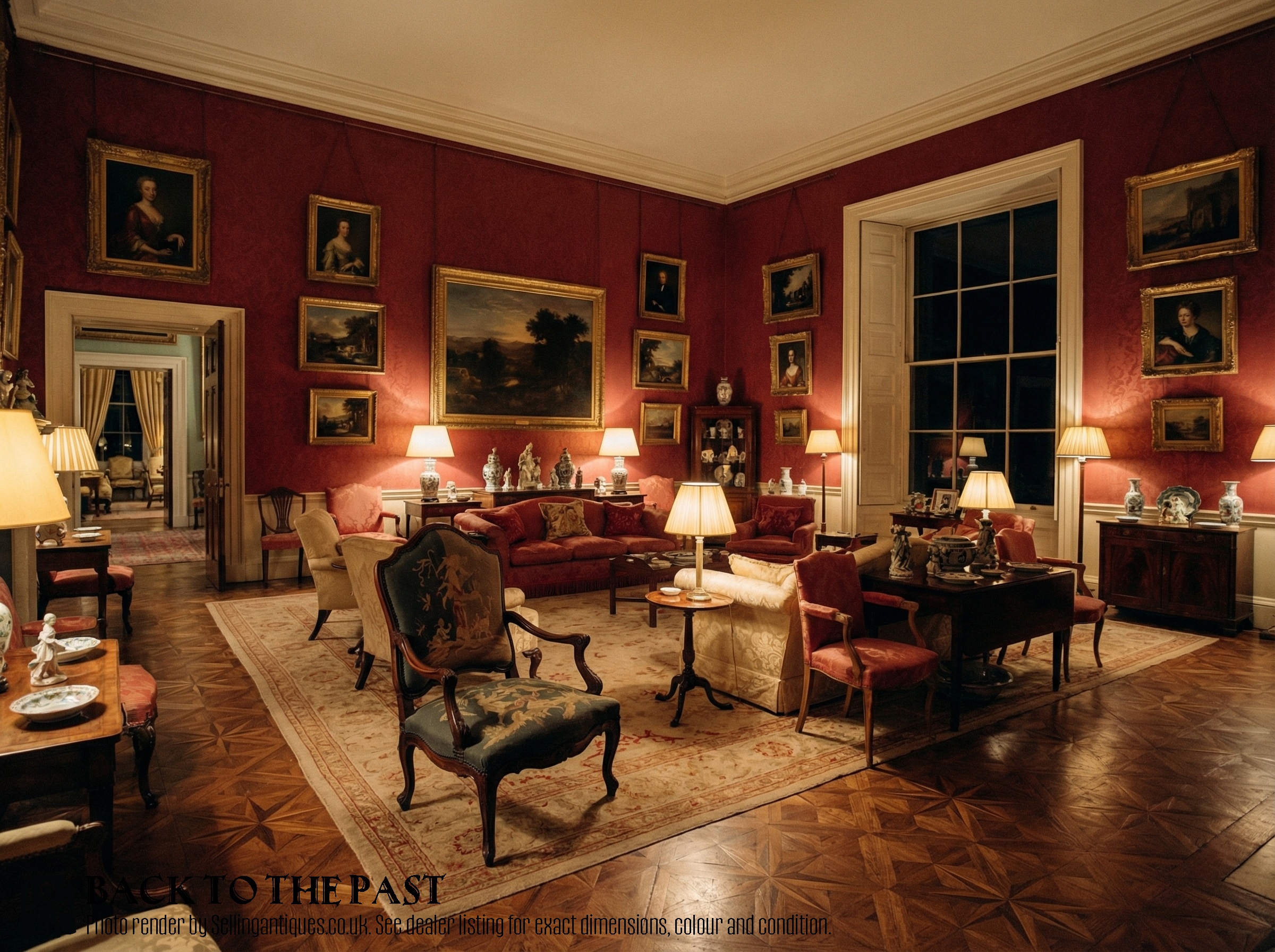
Green Tapestry Armchair
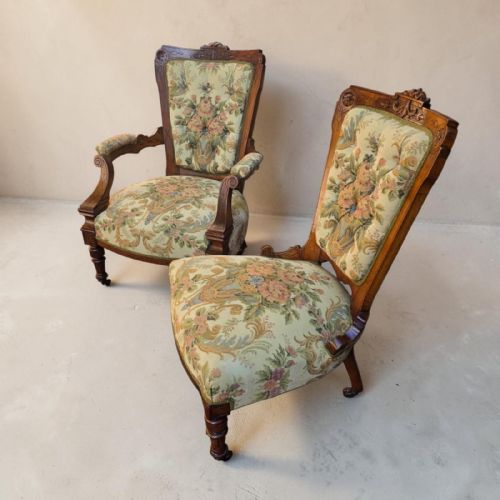
A green tapestry armchair draws on centuries of seating forms, ranging from substantial Victorian library chairs to lighter salon and occasional models. These seats combine wooden frames in walnut, mahogany or oak with woven textile coverings that often display verdant botanical or pictorial scenes.
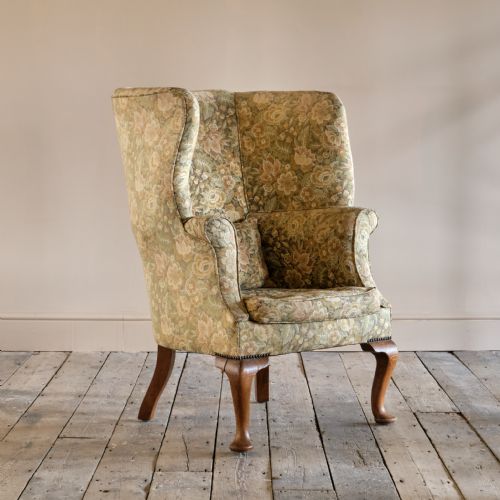
Most examples met on this page belong to the Victorian period or the nineteenth century, though earlier eighteenth century items and revival pieces also appear. Forms include wingbacks, open armchairs, barrel backs and fireside chairs designed for upright comfort and domestic warmth.
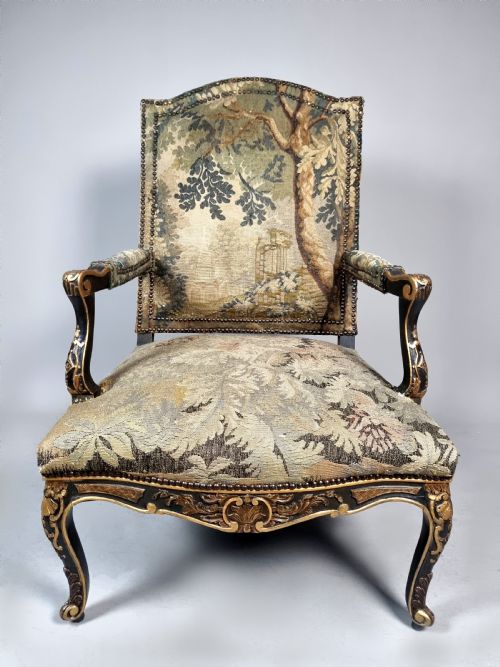
Makers and upholsterers utilised various styles including Queen Anne Revival, Jacobean Revival and French Chateau to shape the wooden supports. The resulting armchairs serve as functional seats that anchor a study, drawing room or library with traditional textile artistry.
Construction and materials
Frames are built from hardwoods such as walnut, mahogany and oak, often shaped with carved details, scroll arms or cabriole legs. Joinery relies on traditional methods to support the heavy loads placed on armchairs over generations of daily use.
Upholstery combines textile fabric and tapestry needlepoint, secured over supportive stuffing and webbing within the wooden carcass. Brass tacks frequently edge the fabric panels, providing a neat structural border to the woven scenes.
Green Tapestry Armchair Retail Price Guide 2026
Typical asking prices for green tapestry armchair among the pieces listed under this phrase on Sellingantiques today, from the lower quarter to the upper quarter. They describe what is for sale here now, not the wider market.
Periods represented span from the eighteenth century through the Victorian era to early twentieth century revivals.
Assessing quality
Quality rests in the harmony between the timber frame and the textile covering, where dense hardwood carving pairs with tightly woven needlepoint or tapestry. Finer pieces demonstrate crisp detail in the woodwork, from shaped arm supports to sturdy cabriole legs.
The sophistication of the tapestry work dictates much of the distinction between standard production and superior examples. Needlepoint panels featuring intricate petit point detail and balanced green colour palettes represent the higher tier of these chairs.
Heals
The Green Tapestry Armchair Glossary
- Tapestry
- A thick textile woven with decorative designs, often depicting pictorial scenes or foliage. It provides a durable and ornate covering for historic seating.
- Needlepoint
- Embroidery stitched onto a stiff open-weave canvas ground. Fine needlepoint panels require considerable time and skill to produce.
- Wingback
- An armchair featuring side panels or wings designed to shield the sitter from draughts. This form gained popularity during the Georgian period and saw revivals in later centuries.
- Cabriole leg
- A furniture leg that curves out in a convex arc and tapers inward in a concave arc, ending in a pad or claw foot. It is characteristic of Queen Anne and eighteenth century designs.
- Petit point
- Needlepoint executed on a fine canvas with small stitches, allowing for high detail in facial expressions and intricate patterns.
Green Tapestry Armchair: Frequently Asked Questions
How do I clean a tapestry armchair?
Vacuum the fabric gently using a low suction attachment and a soft brush nozzle to lift surface dust without snagging the threads.
Professional textile cleaning is recommended for deeper marks to protect the historic fibres and internal stuffing.
Are these chairs comfortable for daily use?
Most antique armchairs offer firm, upright support rather than the deep slouch of modern upholstery. Their ergonomic design suits reading or fireside seating.
Webbing and internal padding can be checked to ensure the seat remains supportive for regular occupation.
How do I date a walnut armchair?
Examine the timber grain, tool marks on the frame construction, and the overall style of the carved legs and arms. Victorian examples often display heavier, darker walnut compared to lighter eighteenth-century pieces.
Upholstery methods and tack types also offer clues to the period of the piece.
What is the difference between tapestry and needlepoint?
Tapestry is woven on a loom as an integrated textile structure, whereas needlepoint is hand-stitched through an existing open-weave canvas backing.
Both materials appear frequently on historic armchairs to create textured, patterned surfaces.