

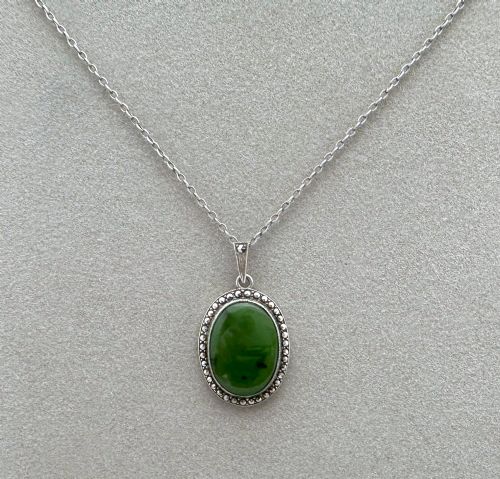


Green Stone Pendant Necklace
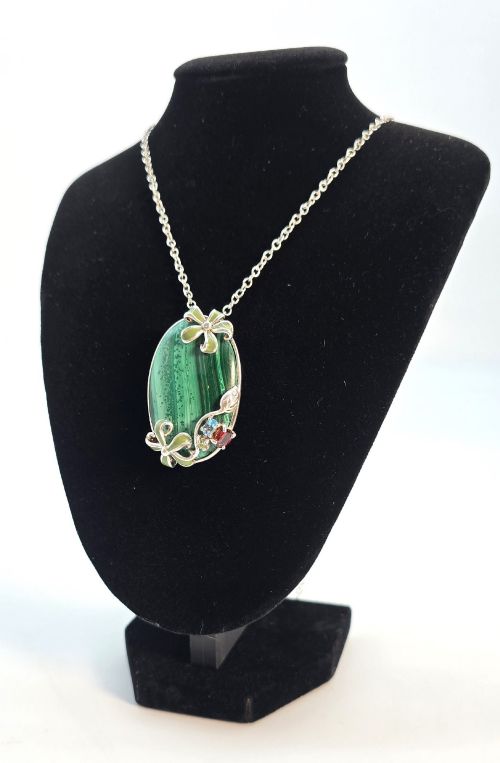
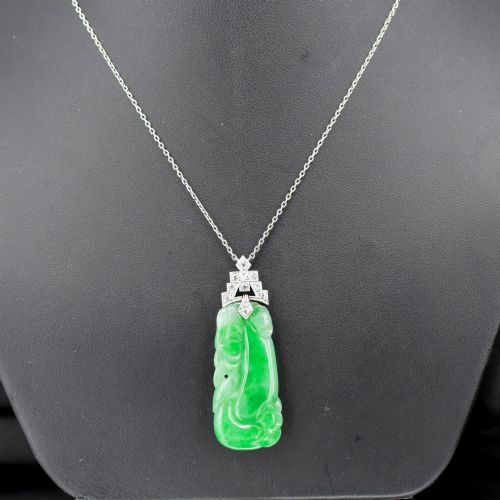
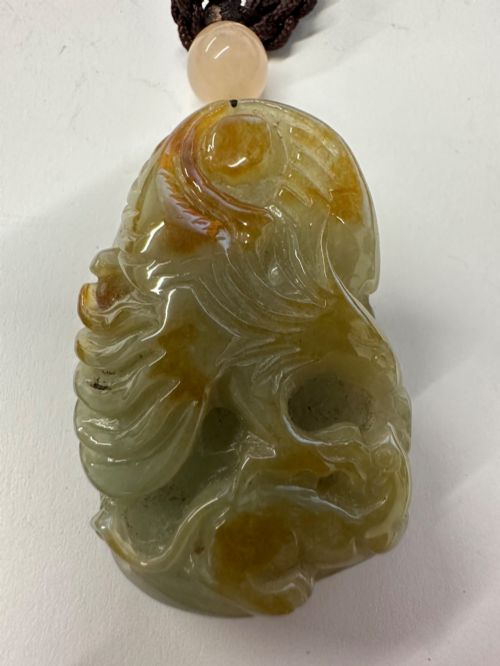
A green stone pendant necklace is a wearable piece of history, drawing the eye with jade, peridot, malachite and chrysoprase set in gold or silver.
Green Stone Pendant Necklace
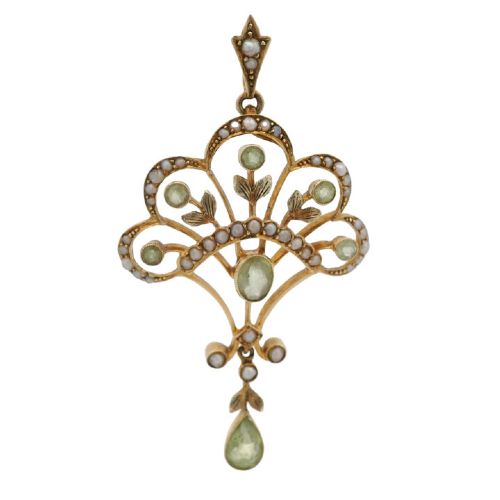
A green stone pendant necklace unites vibrant minerals with precious metals, spanning Victorian, Edwardian, Art Deco and Mid-Century designs. You encounter everything from delicate Edwardian peridot and seed pearl drops to bold Art Deco jade and amazonite creations.
The selections range from simple silver settings to elaborate gold frames embellished with diamonds, enamel and seed pearls. These necklaces reflect shifting aesthetic movements, including Arts & Crafts craftsmanship, Renaissance Revival motifs and streamlined Mid-Century forms.
Whether you choose an Austro Hungarian multi gem piece or a clean silver chrysoprase pendant, each item showcases distinctive lapidary work from past centuries. The variety of stones used ensures that every pendant possesses an individual character and depth of colour.
How they were made
Goldsmiths and silversmiths shaped these pieces using traditional casting, wirework and bezel settings to secure stones like peridot, jade and malachite. Metalwork often incorporates detailed filigree, millegrain edging and vibrant enamel highlights to complement the central green minerals.
Makers utilised nine carat gold, fifteen carat gold, silver and platinum, frequently pairing softer seed pearls or diamonds alongside the main green stones. Hand craftsmanship defined the earlier periods, while later twentieth century examples introduced new geometric proportions and cleaner mounting techniques.
Green Stone Pendant Necklace Retail Price Guide 2026
Typical asking prices for green stone pendant necklace among the pieces listed under this phrase on Sellingantiques today, from the lower quarter to the upper quarter. They describe what is for sale here now, not the wider market.
What varies in quality
The calibre of a green stone pendant necklace rests on the clarity and depth of the central mineral, alongside the precision of the metalwork. Superior pieces display matched stones with lively internal light and secure, finely finished settings that show careful hand manipulation.
Artisanal execution distinguishes standard commercial jewellery from high workshop output, particularly in pieces featuring complex enamel work or delicate gold chain links. Original components, balanced proportions and well preserved stones elevate the standing of any pendant.
Liberty & Co·Levinger & Bissinger·Otto Prutscher·Arthur & Georgie Gaskin
The Green Stone Pendant Necklace Glossary
- Peridot
- A transparent yellowish green silicate mineral favoured heavily in Edwardian and late Victorian jewellery designs. It provides a distinct citrus green tone that contrasts well with seed pearls and yellow gold.
- Chrysoprase
- A gemstone variety of chalcedony containing small quantities of nickel, known for its apple green colour. It was a favourite material among Arts & Crafts makers who preferred its smooth opaque finish.
- Bezel setting
- A method of holding a gemstone in place using a narrow metal rim that wraps around the stone's perimeter. This technique protects the edges of softer green stones like jade and malachite.
- Millegrain
- A decorative jewellery technique that involves creating a raised line of tiny metal beads along the edges of a setting. It adds a refined textured border typical of Edwardian and platinum work.
- Silver gilt
- Sterling silver that has been coated with a thin layer of gold, often employed in historical pieces to combine the warmth of gold with the structural properties of silver.
Green Stone Pendant Necklace: Frequently Asked Questions
How do I date a pendant necklace?
Dating relies on the combined evidence of gemstone cuts, metal purity marks, fastening types and prevailing design styles such as Edwardian garland motifs or Art Deco geometry.
Examining the construction of the reverse side and any maker stamps often reveals the specific decade of production.
What stones are used in these necklaces?
The selection includes peridot, jade, malachite, chrysoprase, emerald, amazonite and green chalcedony, frequently accented with pearls, diamonds and enamel.
These minerals reflect the distinct preferences of periods ranging from the late nineteenth century through to the mid twentieth century.
How should I care for antique gold and silver?
Preserving these pieces requires storing them away from moisture and harsh chemicals, using a soft cloth for gentle cleaning rather than abrasive dips.
Many green stones, such as malachite and pearls, are sensitive and benefit from minimal handling and individual fabric pouches.
Are these necklaces suitable for daily wear?
While durable metals were used, historical items with delicate seed pearls, enamel or softer stones require mindful wear to prevent accidental impact.
Reserving them for specific occasions helps protect fragile settings and ensures the longevity of antique components.