

Green Silver Jewellery
These pieces of green silver jewellery combine cool metal with vibrant verdant stones and enamel across several historic design movements.
Green Silver Jewellery
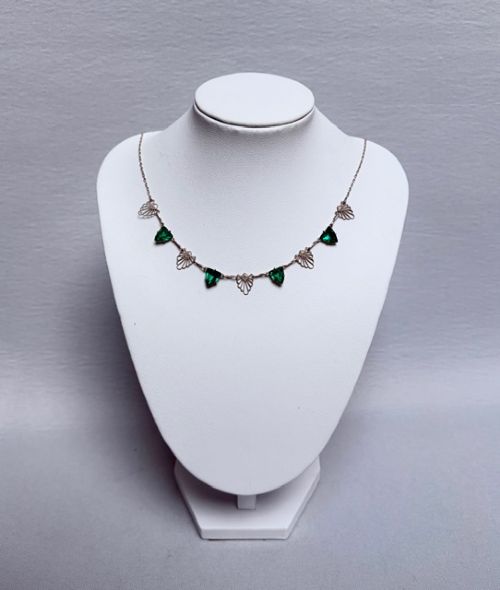
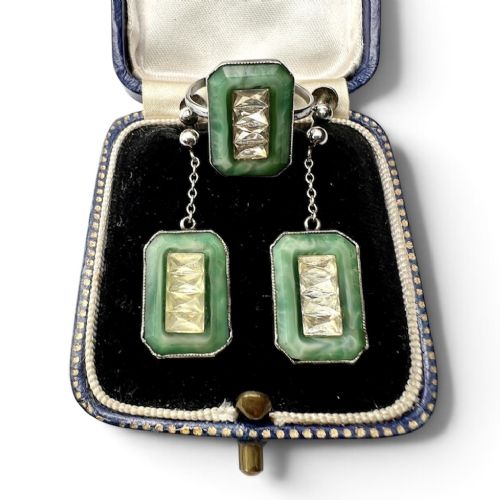
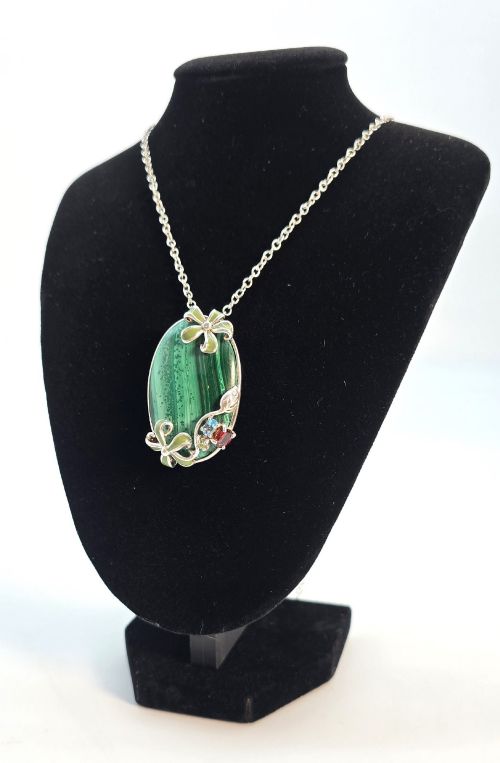
Green silver jewellery encompasses a broad range of ornaments, from delicate pendants and intricate brooches to statement rings and drop earrings. The selection spans periods from the late nineteenth century through the Art Nouveau, Edwardian, and Art Deco eras into the mid-century decades, reflecting shifting aesthetic tastes.
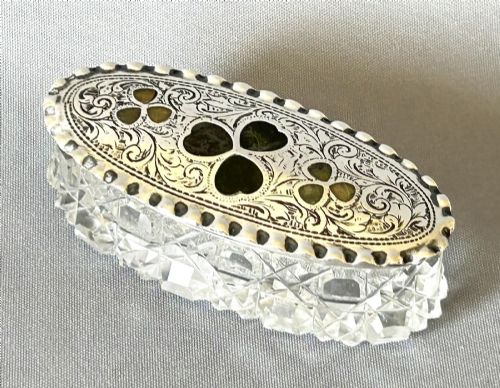
Buyers most frequently encounter silver mounts paired with green stones or vivid enamel work. Pieces frequently emerge from British, Scandinavian, and continental workshops, showing distinct regional approaches to combining silver with green hues.
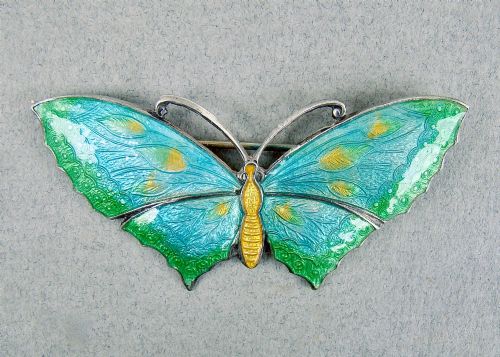
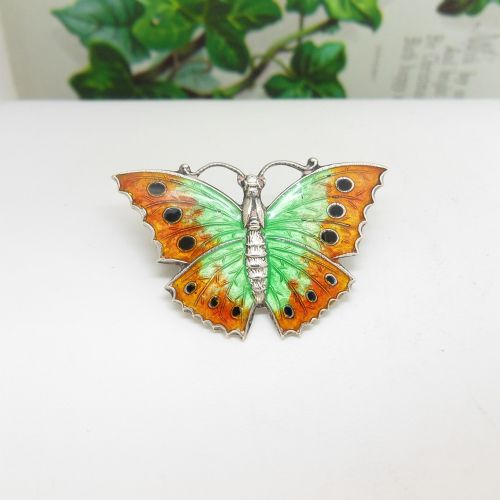
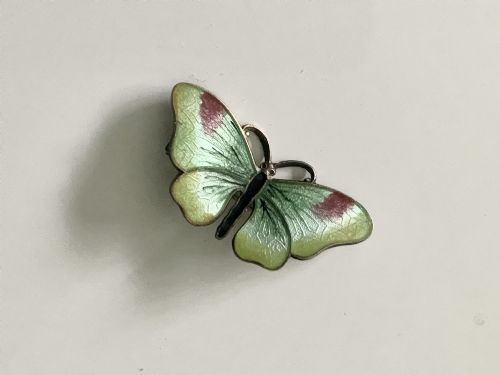
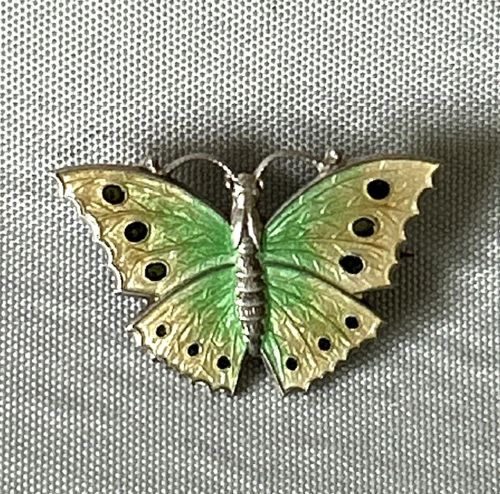
The wearable forms vary from naturalistic floral motifs and winged insects to geometric modernist lines. Each period brings its own characteristic weight and method of setting green elements into silver.
Materials and construction
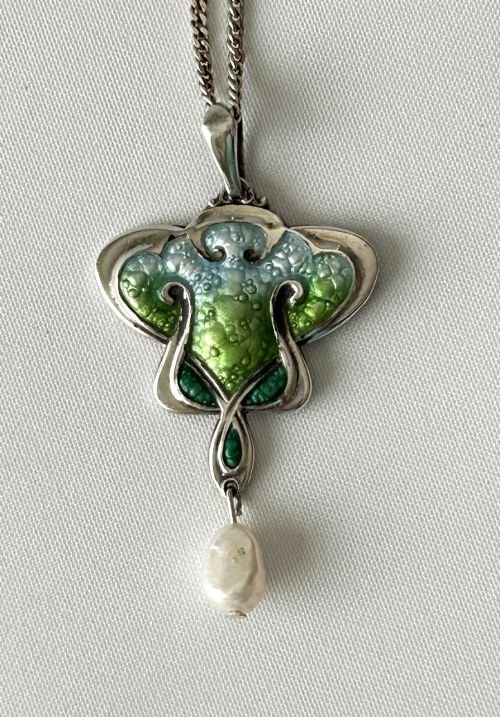
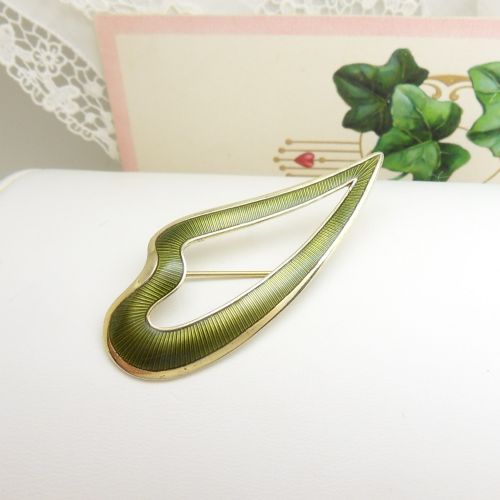
Makers utilise sterling silver and silver gilt as the primary metallic foundations, often shaping them through casting, stamping, or wirework. Enamel techniques, including guilloche and plique-a-jour, add translucent colour that catches the light through the metal framework.
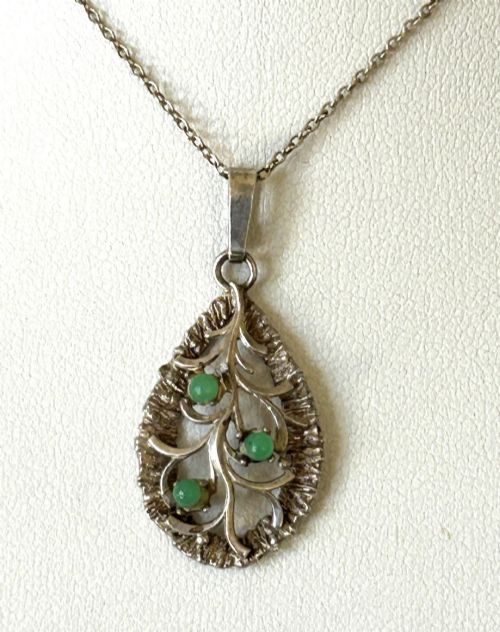
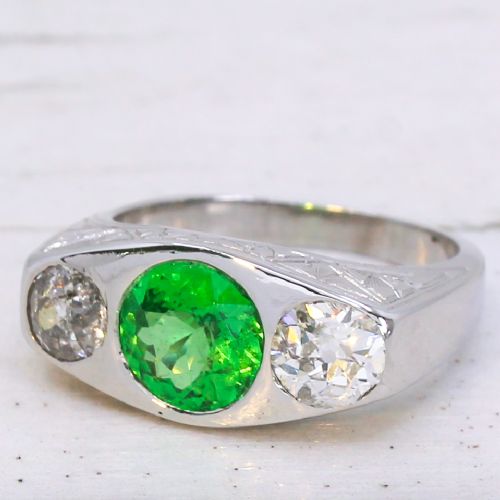
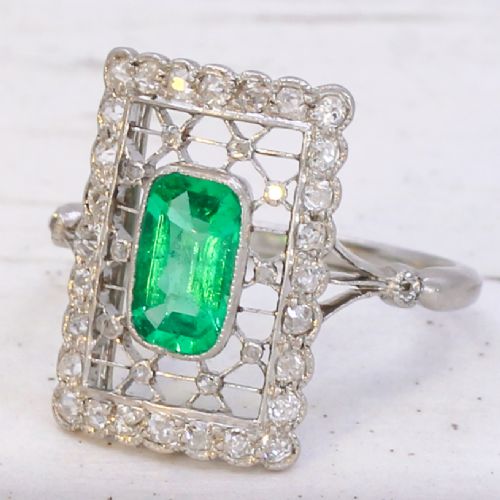
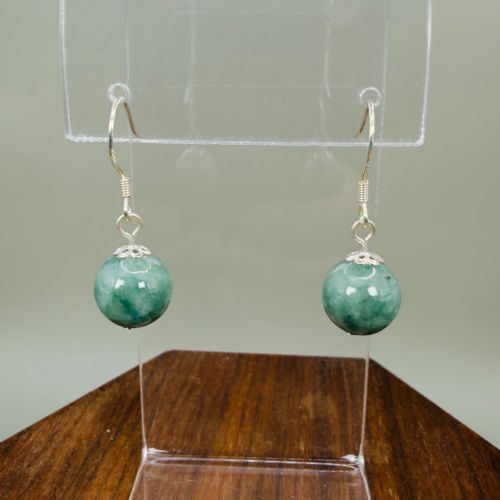
Stones such as chrysoprase, jade, emerald, green paste, agate, and chalcedony provide the varied green elements. Craftsmen set these materials securely within bezel, prong, or flush mounts designed to complement the specific character of each mineral.
Green Silver Jewellery Retail Price Guide 2026
Typical asking prices for green silver jewellery among the pieces listed under this phrase on Sellingantiques today, from the lower quarter to the upper quarter. They describe what is for sale here now, not the wider market.
Listings feature silver jewellery from the Victorian, Edwardian, Art Nouveau, Arts and Crafts, and Art Deco periods, alongside mid-century Scandinavian designs.
Quality differences
The standard of execution in the metalwork and enamel separates finer items from simpler production. Crisp lines in Art Deco geometric pieces or precise cell work in enamel indicate careful hand assembly by skilled artisans.
The choice and cut of the green stones or the depth of the enamel layers dictate the visual richness of a piece. Natural stones with good translucency or expertly applied glass pastes elevate the overall presence of the jewellery.
Andreas Daub·Aksel Holmsen·James Fenton·Jakob Bengel·Murrle Bennett·Liberty and Co·Levinger and Bissinger·Fahrner and Bennett
The Green Silver Jewellery Glossary
- Guilloche enamel
- Enamel applied over a metal surface that has been machined with an intricate repetitive pattern. This technique creates a shimmering wave effect beneath the translucent green colour.
- Plique-a-jour
- An enamelling technique where the enamel is fired in open cells without a backing, resembling miniature stained glass. It allows light to pass directly through the green hues.
- Chrysoprase
- A gemstone variety of chalcedony containing nickel, known for its apple-green colour. It appears frequently in twentieth-century silver mounts.
- Paste
- Hand-cut and polished lead glass used as a gemstone simulant. It offers vibrant green colouration in vintage and antique costume jewellery.
- Silver gilt
- Silver that has been plated with a thin layer of gold on its surface. This finish provides a warm contrast to green enamel and stones.
Green Silver Jewellery: Frequently Asked Questions
How do I date green silver jewellery?
Dating relies on stylistic clues, hallmarks, and the specific types of green materials used in the piece. Art Nouveau items show flowing organic lines, while Art Deco pieces favour geometric precision.
Maker marks and silver assay stamps stamped onto the metal provide further chronological context. Combining these visual and physical markers helps narrow down the decade of production.
Are the green stones natural or synthetic?
The listings include a mix of natural minerals like jade, emerald, chrysoprase, and agate alongside synthetic alternatives like green paste and glass. Each material reflects the manufacturing standards and fashions of its specific era.
Examining the stones with a loupe reveals natural inclusions or glass bubbles that distinguish minerals from manufactured substitutes. Dealers describe the exact material composition in each individual listing.
How should I care for enamel and silver?
Enamel requires gentle handling because it can chip or crack if subjected to sharp impacts or harsh cleaning agents. Use a soft, dry cloth to remove dust from the surface rather than liquid dips.
Silver naturally tarnishes over time and benefits from occasional light polishing with a dedicated silver cloth. Avoid getting polish trapped in the recesses of detailed enamel or stone settings.
What is the difference between Edwardian and Art Deco styles?
Edwardian designs lean towards delicate lace-like silverwork, floral motifs, and pastel aesthetics. They often incorporate pearls and softer green stones like emeralds or peridots.
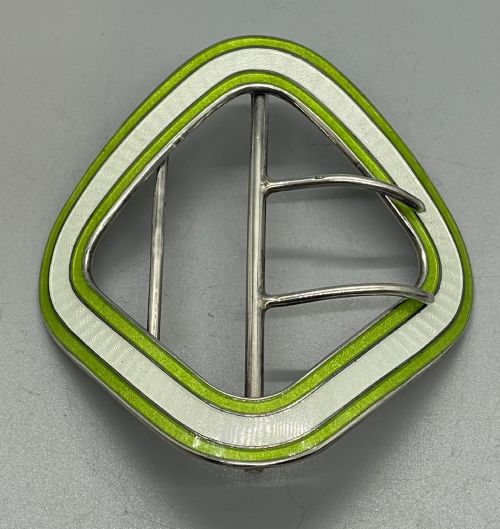
Art Deco pieces embrace bold geometry, sharp lines, and vivid contrasts. They frequently pair bright sterling silver with strong green enamel or vibrant chrysoprase.