



Edwardian Paste Necklace
An edwardian paste necklace is a brilliant piece of period jewellery, offering sparkling stones set in silver or gold for everyday elegance.
Edwardian Paste Necklace
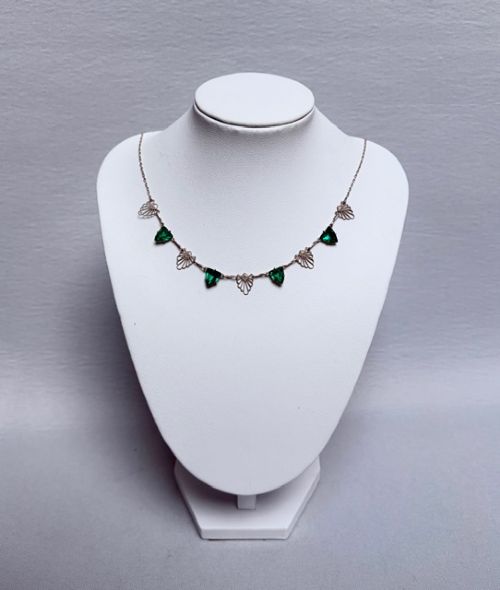
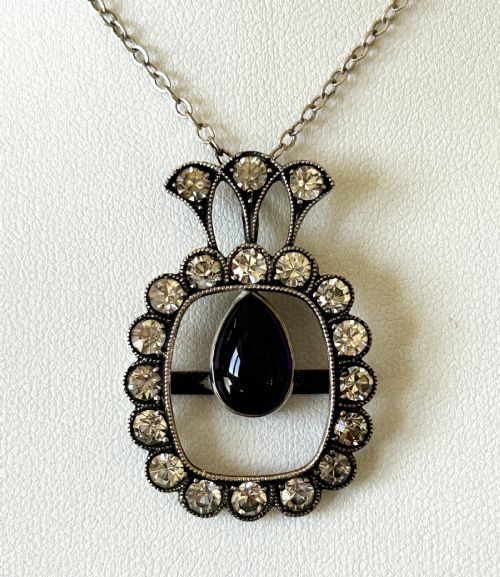
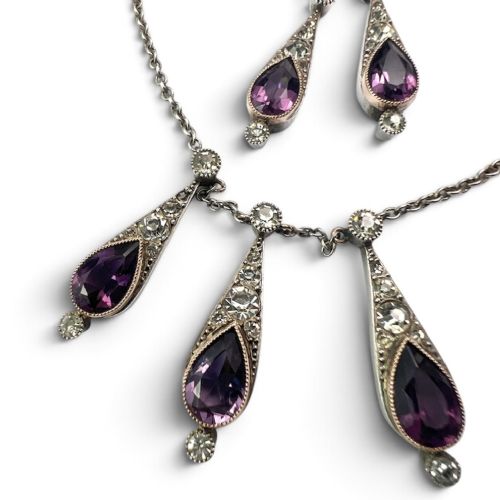
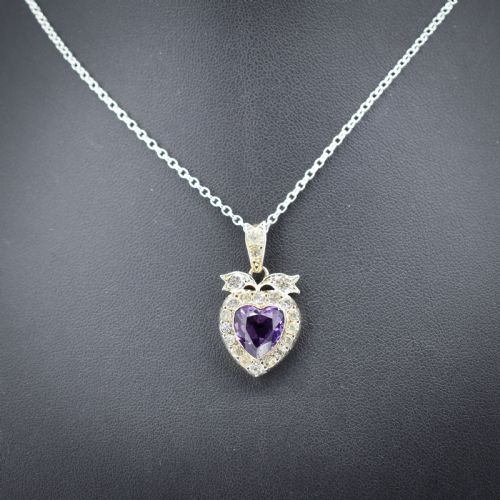
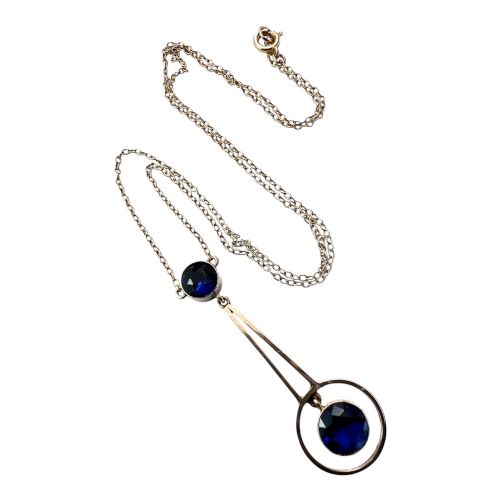
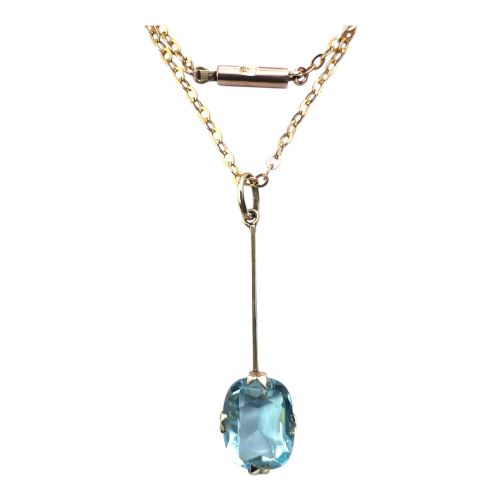
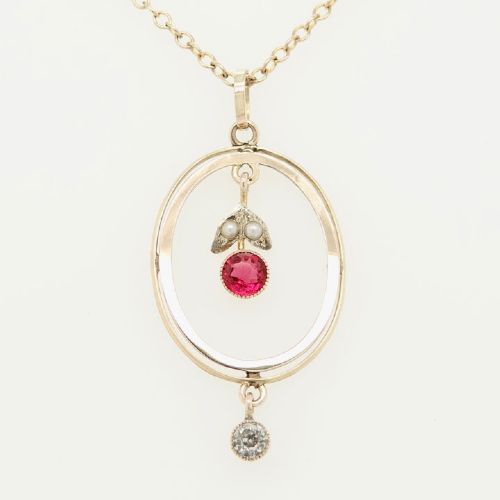
An edwardian paste necklace brings together delicate metalwork and hand-cut glass stones designed to catch the light. Most examples found here originate from the early twentieth century or the late nineteenth century, spanning the Victorian, Edwardian, and Art Deco periods.
These pieces typically take the form of drop pendants, lavalier necklaces, and riviere lines. Designs often incorporate seed pearls alongside coloured paste stones such as amethyst, aquamarine, peridot, and emerald.
The materials combine silver, sterling silver, 9ct gold, and gold gilt settings. Certain pieces also feature filigree work, marcasite, and intricate floral or heart motifs.
How They Were Made
Craftsmen utilised silver and gold to house hand-cut paste glass stones, securing them in collet or prong settings. Seed pearls and precious stones like amethysts or peridots were frequently integrated into the metal designs.
Techniques ranged from delicate wire filigree to cast silver and gold elements, often enhanced with gold gilt finishes. Stones were faceted by hand to maximise brilliance, mimicking fine gemstones of the era.
Edwardian Paste Necklace Retail Price Guide 2026
Typical asking prices for edwardian paste necklace among the pieces listed under this phrase on Sellingantiques today, from the lower quarter to the upper quarter. They describe what is for sale here now, not the wider market.
Common motifs across these listings include floral drops, heart pendants, and riviere lines set with amethyst, aquamarine, and peridot paste.
What Varies in Quality
The refinement of the metalwork sets finer pieces apart, particularly where hand-formed filigree and secure stone settings are concerned. Superior examples show precise cut-down collets and harmonious proportions between the central drop and the chain.
The clarity and hand-faceting of the paste glass also distinguish the range, as well as the integration of genuine seed pearls or complementary gems like aquamarine and amethyst within the gold or silver structure.
The Edwardian Paste Necklace Glossary
- Lavalier
- A pendant necklace featuring a central dangling stone or drop element suspended from a delicate chain. This style gained immense popularity during the Edwardian era.
- Riviere
- A necklace composed of a continuous line of closely matched gemstones or paste stones. Each stone is typically linked individually for flexibility.
- Seed Pearl
- Very small natural or cultured pearls used widely in Victorian and Edwardian jewellery. They are often strung or set closely together to form floral or geometric patterns.
- Filigree
- Delicate ornamental work of fine silver or gold wire twisted and soldered into patterns. It creates an open, lace-like appearance in pendants and lockets.
Edwardian Paste Necklace: Frequently Asked Questions
How do I care for an edwardian paste necklace?
Paste glass is softer than mined gemstone, so keep your necklace away from harsh chemical cleaners and ultrasonic baths. Wipe the stones and metal gently with a soft, dry cloth after wearing.
Store each piece individually in a lined box to prevent the paste facets from scratching against other items in your collection.
Are the chains original to these pendants?
Many antique necklaces retain their period chains, though components are sometimes matched or replaced over a century of wear. Examine the jump rings and clasp for signs of period manufacture that match the pendant metal.
Slight variations in gold or silver colour between the drop and the chain often indicate a marriage of pieces from a similar era.
How can I tell Edwardian paste from later reproductions?
Original pieces show hand-cut facets with subtle irregularities, open-backed settings that let light through the glass, and traditional pin or barrel clasps. The metalwork will exhibit the weight and wear consistent with early twentieth-century workshops.
Machine-made prongs, perfectly uniform modern glass, and bright modern metal platings usually point towards later manufacture.
What metals were commonly used in these necklaces?
Jewellery from this period makes frequent use of sterling silver, often paired with 9ct gold or gold gilt elements. Seed pearls and coloured paste stones are mounted directly into these precious metals.
Combinations of silver fronts with gold backs were also utilised to give the bright appearance of silver alongside the durability of gold.