



Vintage Glass Jewellery
Vintage glass jewellery brings together glittering paste stones, moulded crystals and coloured glass set in silver and gold across several periods.
Vintage Glass Jewellery
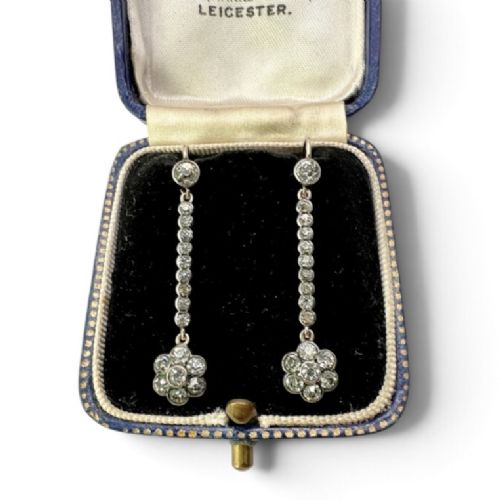
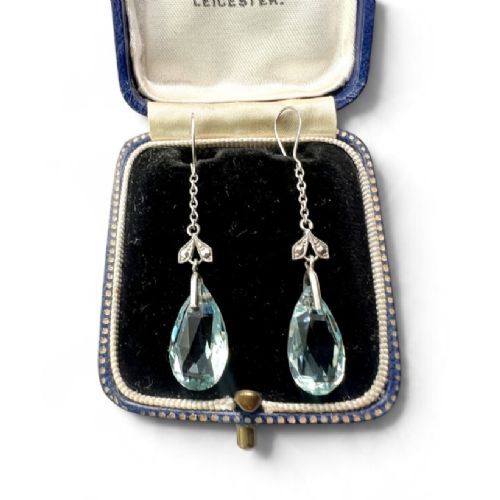
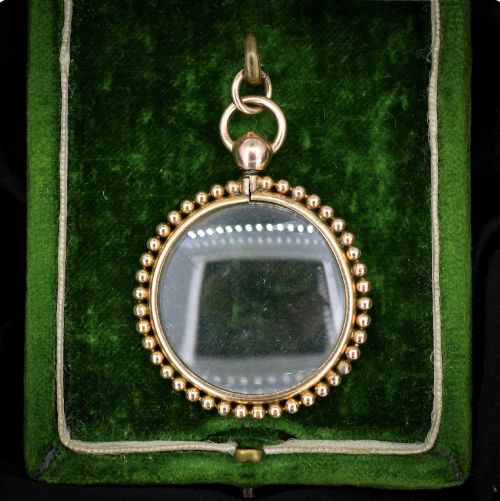
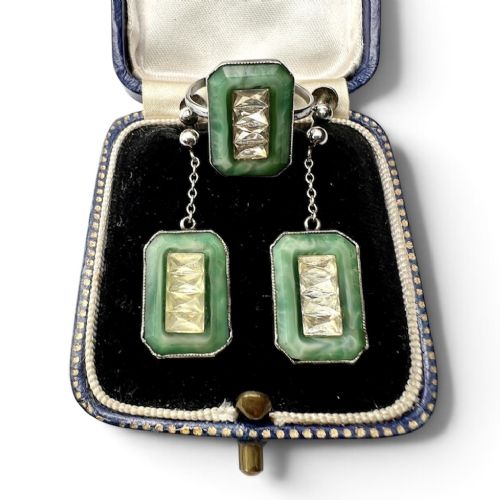
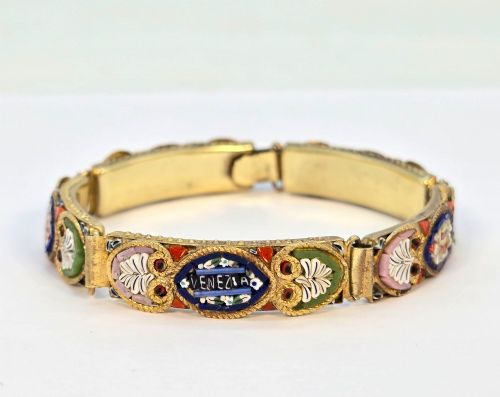
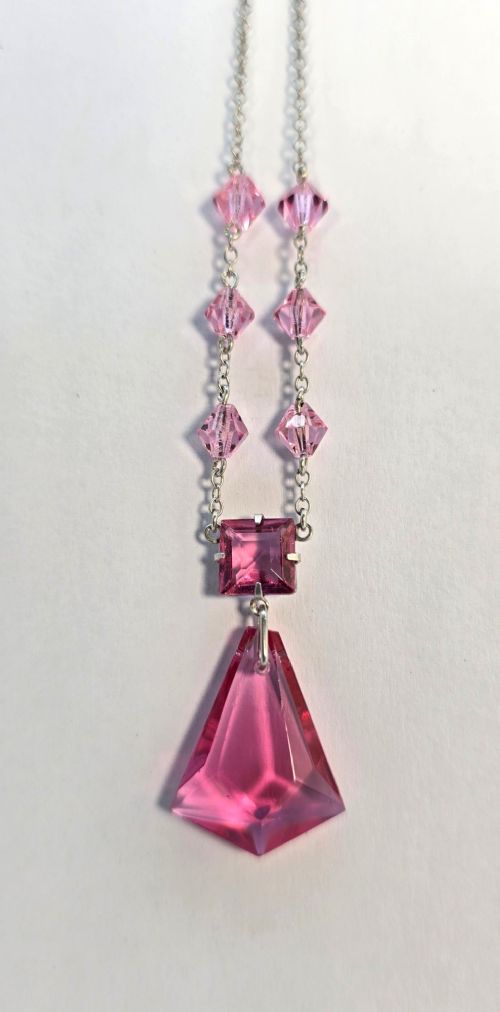
Vintage glass jewellery spans small personal ornaments including rings, brooches, earrings, pendants, necklaces and bracelets. These pieces incorporate moulded, cut or paste glass stones designed to catch the light.
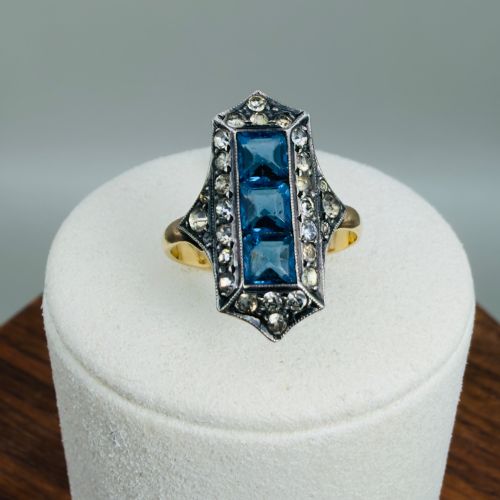
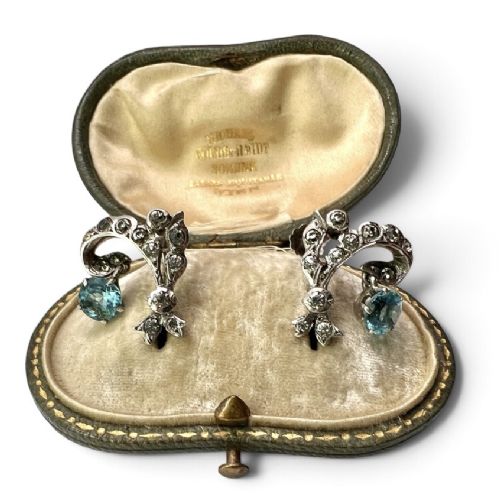
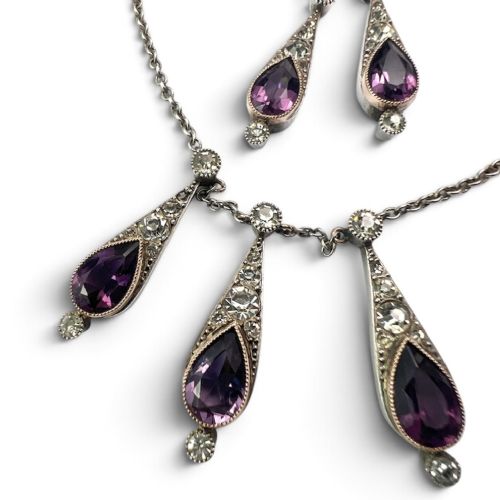
The selection ranges from Edwardian silver paste brooches and drops to Art Deco crystal necklaces and bangles. Pieces often combine glass with silver, sterling silver, gold and gilt metals.
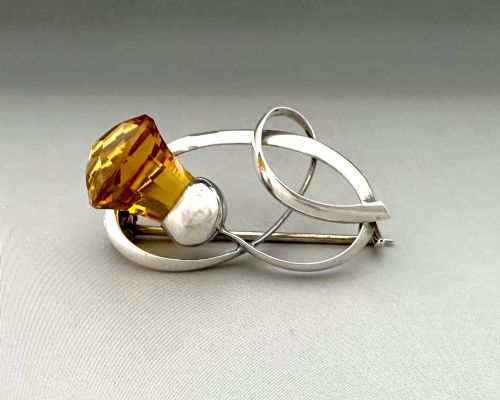
Earrings and pendants frequently employ paste stones to simulate precious gems, while bracelets and necklaces showcase geometric or naturalistic motifs. Examples include thistle designs, puffy hearts and cascading chandelier drops.
How vintage glass jewellery was made
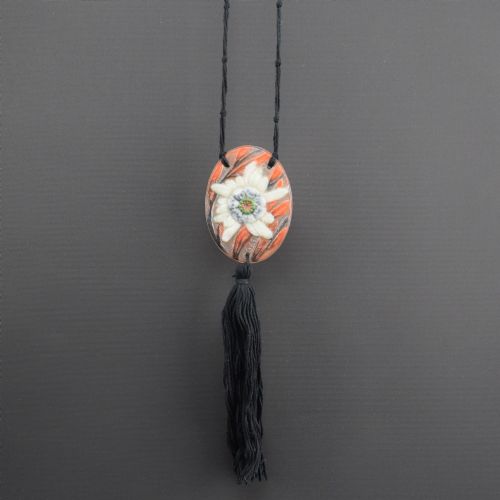
Makers shaped glass by hand-cutting, moulding or casting, utilising techniques such as paste stone faceting and pate de verre. These glass elements were then mounted in metal settings.
Metalwork involved silver, sterling silver, 9ct gold, 18ct gold, and gilt bronze or ormolu. Settings were often cast or pierced to hold securely the glass beads, clusters and flat-back stones.
Vintage Glass Jewellery Retail Price Guide 2026
Typical asking prices for vintage glass jewellery among the pieces listed under this phrase on Sellingantiques today, from the lower quarter to the upper quarter. They describe what is for sale here now, not the wider market.
Listings feature items spanning the Victorian, Edwardian, Art Nouveau, Art Deco and 1960s periods, executed in silver, gold, paste and glass.
What varies in quality
The standard of craftsmanship shows in the precision of the glass cutting and the clarity of the material. Hand-cut crystal and finely moulded pate de verre reflect light more sharply than simple pressed glass.
Metal mountings also define the tier of a piece, with solid silver or gold settings and detailed claw or bezel work marking out finer examples over base metals with simple gilt.
R Lalique·Argy Rousseau·Charles Horner·Knoll and Pregizer
The Vintage Glass Jewellery Glossary
- Paste glass
- Hand-cut and polished glass used to imitate precious gemstones. It has a high lead content to increase brilliance and weight.
- Pate de verre
- A glass-casting method where finely crushed glass is packed into a mould and fused in a kiln. This creates subtle colour gradations and a frosted texture.
- Silver gilt
- Silver that has been coated with a thin layer of gold. This finish gives the appearance of solid gold while retaining a silver base.
- Screwback
- A type of earring fastening utilising a threaded screw mechanism. It allows the wearer to adjust pressure on the earlobe without pierced ears.
Vintage Glass Jewellery: Frequently Asked Questions
How do I clean vintage glass jewellery?
Clean delicate glass pieces with a soft, dry cloth to remove dust and skin oils. Avoid soaking items with foiled backs or glued settings in water.
Harsh chemical dips can damage both the glass surface and the antique silver or gold mountings. Professional cleaning is recommended for fragile historic settings.
How do I date vintage glass jewellery?
Dating relies on material combinations, metal purity hallmarks and fastener styles. Edwardian pieces often feature delicate millegrain silver work, while Art Deco items lean towards geometric symmetry.
Shifts in colour palettes, such as the electric blues and pinks of the 1920s, also help place an ornament in its period.
Can I wear these pieces daily?
Historic glass and delicate metal settings require gentle handling during everyday wear. Store items individually in padded boxes to prevent scratching the glass surfaces.
Keep pieces away from perfumes, cosmetics and water to protect the metal finishes and any foil backings behind the stones.