
Green Rural Wall Art
Green rural wall art brings the quiet depth of pastures, farmyards and riverbanks directly into a room through historic paint and paper.
Green Rural Wall Art
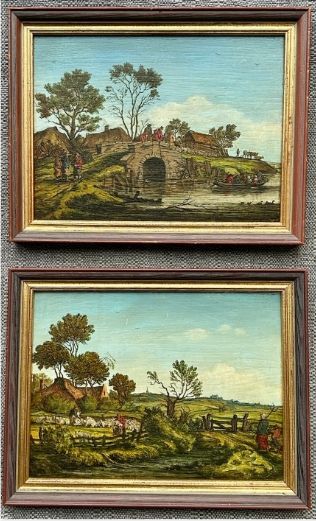
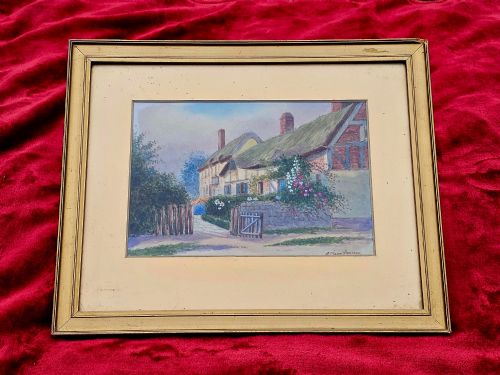
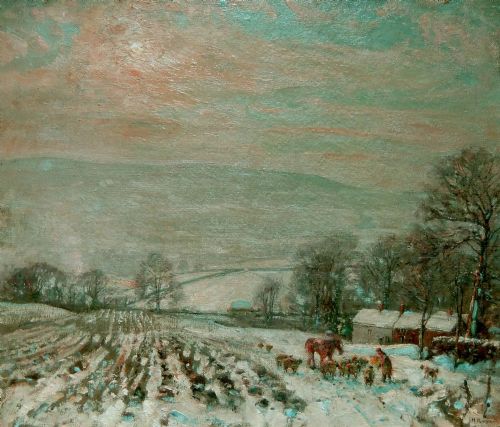
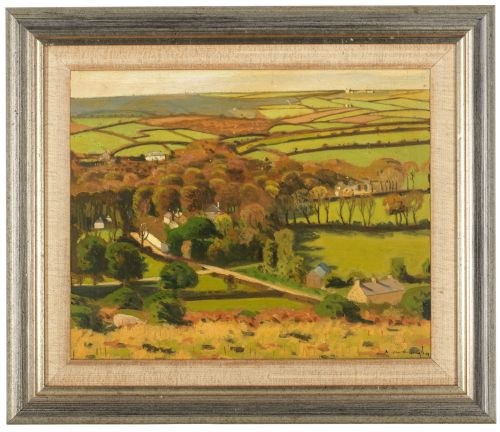
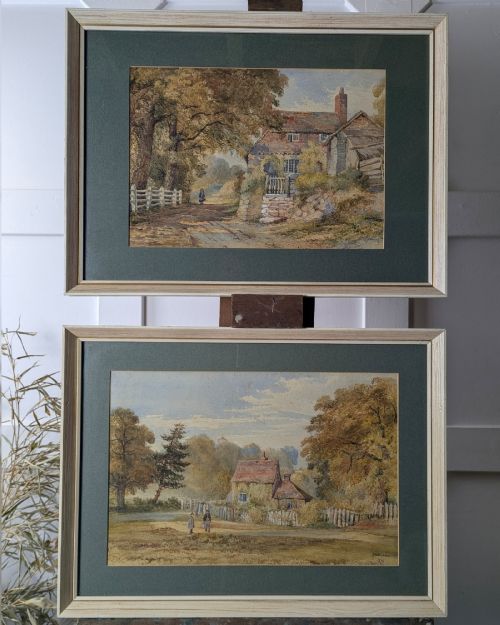
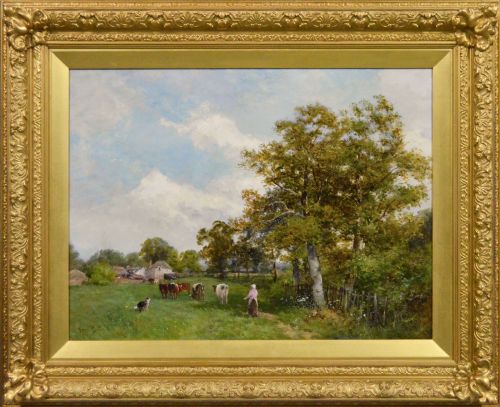
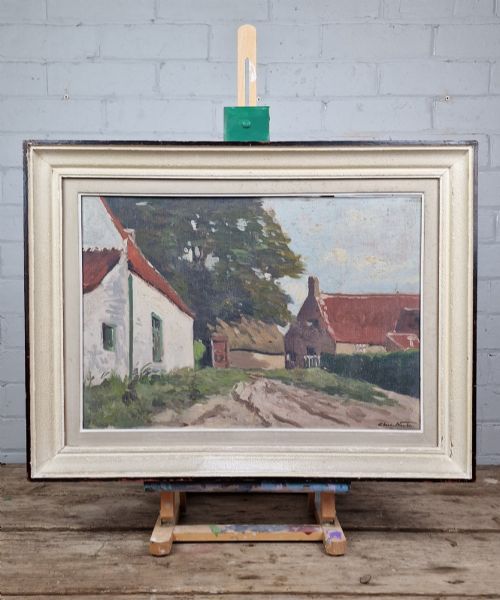
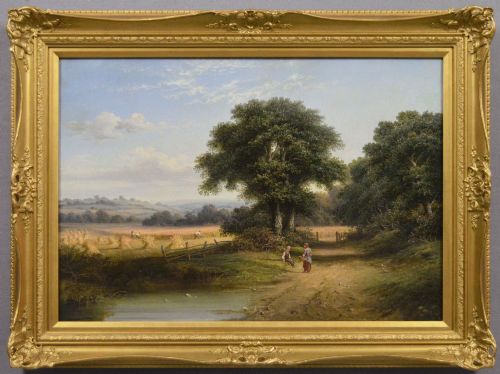
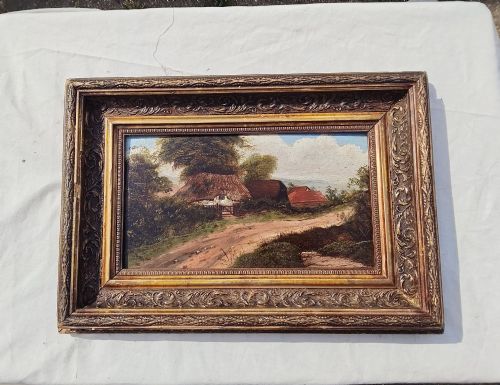
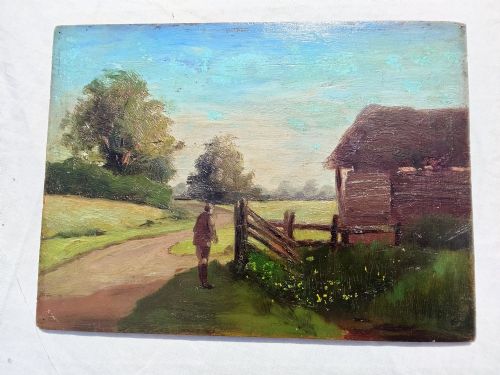
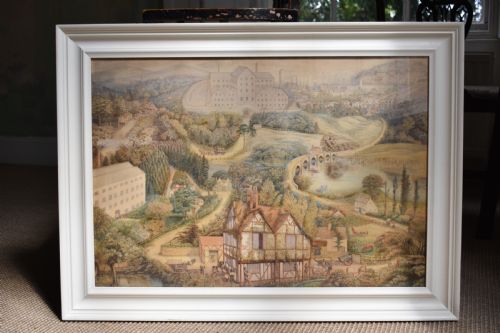
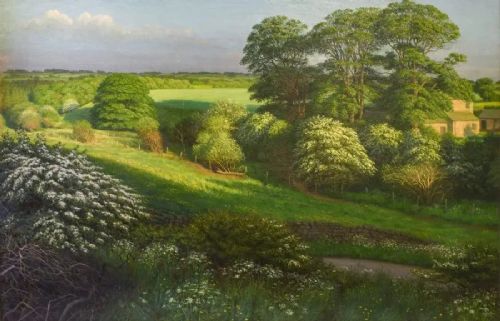
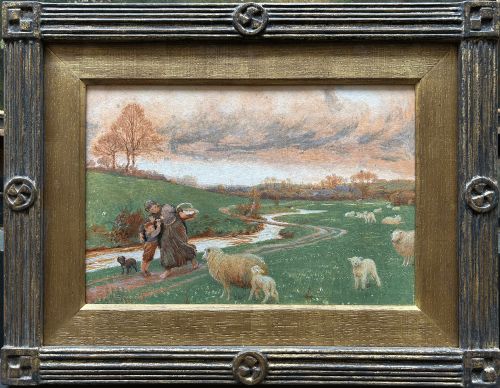
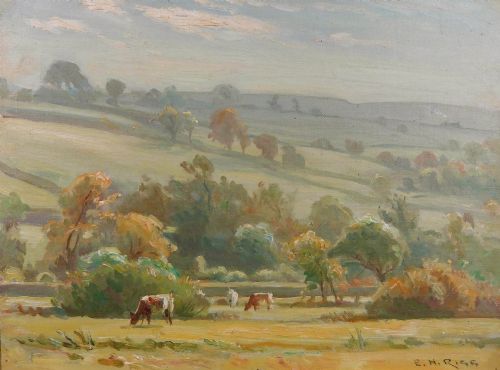
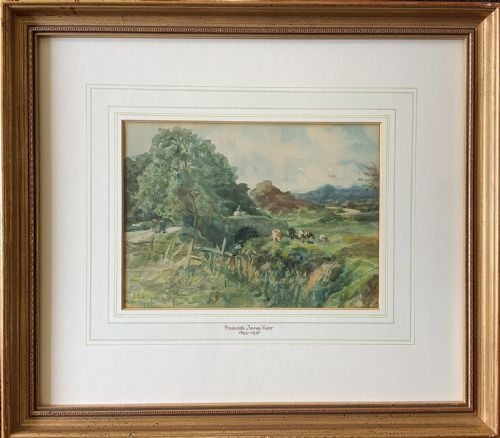
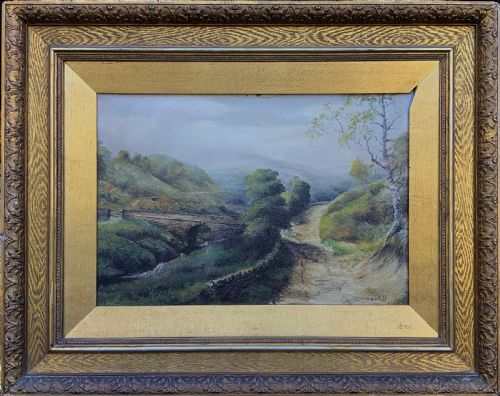
Green rural wall art encompasses pastoral scenes, country landscapes and farmyard views executed in oil, watercolour and canvas from the nineteenth and twentieth centuries.
The versions most commonly met here are framed oil paintings and watercolours depicting British and European countryside, cottage scenes, livestock and agricultural labour.
Spanning periods from the Victorian era through the Edwardian years to mid-century modern movements, these works capture agrarian life through various regional lenses.
How they were made
Artists applied oil paint or watercolour onto traditional supports such as stretched canvas, wooden panels, card and heavyweight paper.
Paintings often retain their original wooden frames, sometimes ebonised, enclosing the brushwork of British Impressionist, Post-Impressionist and realist hands.
Listings feature works spanning the nineteenth century through the 1950s, executed in oil, watercolour, canvas and wood.
What varies in quality
Quality rests upon the handling of light and atmosphere within the landscape, distinguishing accomplished brushwork from generic topographical illustration.
The depth of provenance, the clarity of artist attribution and the integrity of the original surface condition determine the standing of each piece.
Herbert Royle·Robert Morson Hughes·David Bates·Charles Houben·Walter Heath Williams·Ernest Higgins Rigg·Frederick James Kerr·George Morland·Sydney Yates Johnson·Edgar Woollatt·William Henry Mander·Thomas Sidney Cooper·Reginald Grange Brundrit·William Hoggatt·William Greaves·Owen Bowen·William Sydney Cooper·James Orrock·John Linnell
The Green Rural Wall Art Glossary
- British Impressionism
- A late nineteenth and early twentieth-century painting style focusing on natural light and outdoor subjects. Artists worked quickly to capture fleeting weather and rural illumination.
- Canvas
- A heavy woven fabric stretched across a wooden frame to serve as a painting support. Oil paints adhere durably to its textured surface.
- Watercolour
- A paint method using pigment suspended in a water-soluble binder applied to paper. It relies on the white of the paper to supply brightness.
- Post-Impressionism
- An art movement extending Impressionism while rejecting its limitations. Painters sought greater expression through vivid hues and distinct structural brushstrokes.
- Provenance
- The documented history of ownership surrounding an artwork. It establishes authenticity and traces the journey of a painting from the artist studio onward.
Green Rural Wall Art: Frequently Asked Questions
How do I hang a heavy oil painting safely?
Heavy canvases and framed oils require secure picture hooks fixed directly into wall studs or appropriate masonry fixings.
Ensure the hanging wire and D-rings on the back match the weight distribution of the frame before mounting.
Where should I place rural art at home?
These pieces suit living rooms, studies and hallways where natural daylight can illuminate the pigments without direct sun exposure.
Pairing a pastoral canvas with traditional wooden furniture helps anchor the rural aesthetic within the room.
How can I tell a watercolour from an oil painting?
Watercolours sit behind glass on paper supports, displaying translucent washes and a matte finish.
Oil paintings utilise thick pigments on canvas or wood, showing distinct brush texture and a slight surface sheen.
How do I date a nineteenth-century landscape?
Dating relies on stylistic clues, framing materials, artist signatures and any inscriptions on the reverse of the panel or canvas.
Clothing styles on figures or the depiction of agricultural methods also help narrow the decade of creation.