



Green Porcelain Sculpture
These green porcelain sculpture pieces bring distinct figural presence and colour to a room, spanning European factories and Asian traditions.
Green Porcelain Sculpture
When searching for green porcelain sculpture, collectors encounter a diverse group of figures, animals, and decorative objects shaped from ceramic and earthenware materials. The selection includes figural groups, spill vases, and sculptural models originating from nineteenth century European manufacturers and Asian workshops.
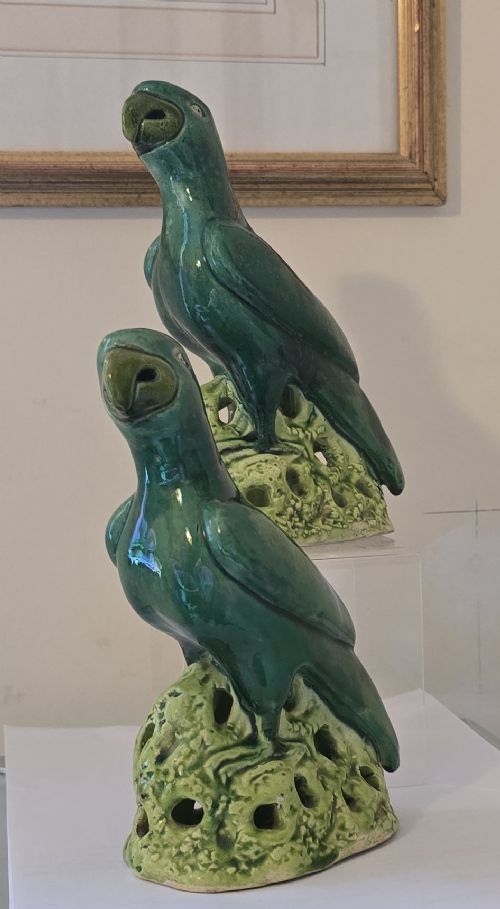
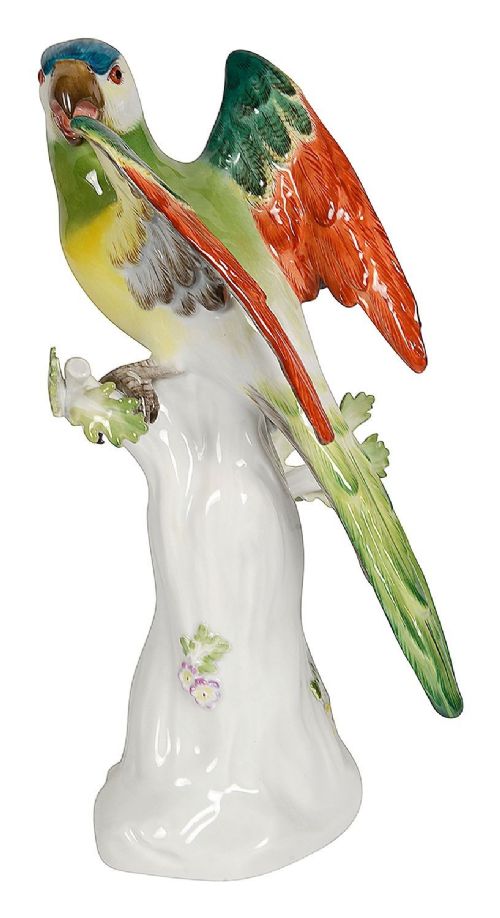
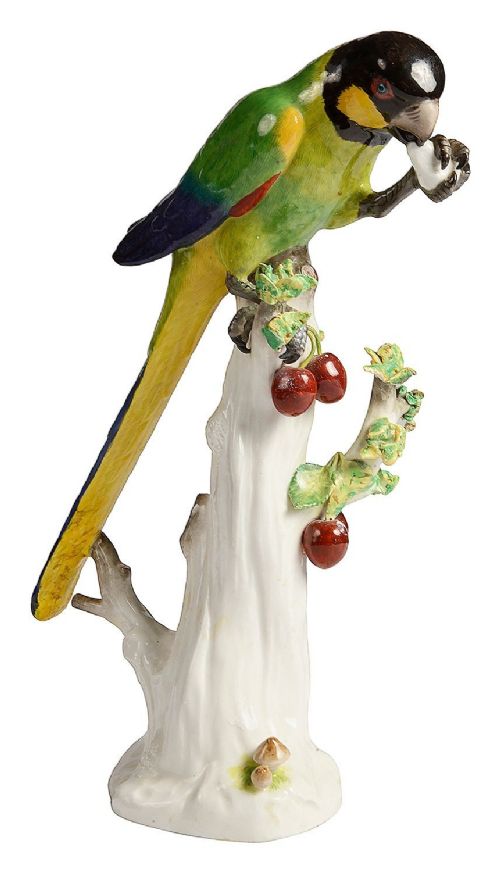
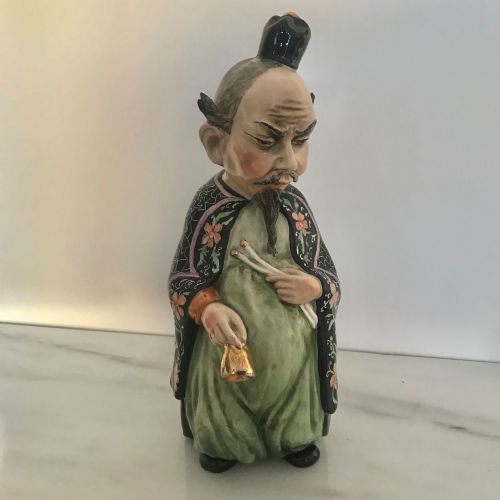
Bird and animal figures appear frequently, featuring subjects such as parrots, ducks, and mythological beasts rendered with coloured glazes. Human forms also feature strongly, ranging from classical water nymphs and fisherfolk to modernist figures dressed in the aesthetic of the early twentieth century.
The periods represented stretch across the nineteenth century into the Edwardian era and the art deco decades of the nineteen twenties and nineteen thirties. Buyers will find nineteenth century European porcelain alongside pieces shaped in the stylistic traditions of the Qing dynasty and Ming style.
Materials and technique
Objects in this category utilise porcelain, ceramic, and earthenware bodies shaped into complex figural forms. Artisans applied specialised glazes and enamel decoration, sometimes augmenting the surface with gold leaf and gilding to highlight details.
Firing techniques allowed colours such as sancai glaze and famille verte enamel to bond permanently with the ceramic base. Figures were often cast in sections and assembled before painting and glazing, resulting in durable sculptural works.
Green Porcelain Sculpture Retail Price Guide 2026
Typical asking prices for green porcelain sculpture among the pieces listed under this phrase on Sellingantiques today, from the lower quarter to the upper quarter. They describe what is for sale here now, not the wider market.
Several grumpy parrots and dignified lions keep a watchful eye over the collection.
Assessing quality
Quality in these sculptures rests upon the precision of the modelling and the depth of the glaze application. Finer pieces display crisp facial expressions and anatomical clarity, whereas simpler examples show softer contours in the ceramic body.
The complexity of the enamel work and the richness of any gilding distinguish standard production from superior pieces. Preservation of the original glaze surface without extensive restoration marks the difference at the upper end of the range.
Meissen·Royal Dux·Ernst Wahliss·Royal Worcester
The Green Porcelain Sculpture Glossary
- Famille verte
- A palette of green enamels used in Chinese porcelain decoration. It dominates the colour scheme alongside other contrasting hues.
- Spill vase
- A hollow figural vessel designed to hold wooden matches for lighting fires or candles. It combines practical function with sculptural form.
- Bisque
- Unglazed fired porcelain that has a matte, biscuit-like texture. It allows fine details of the model to remain sharp and unmasked by glaze.
Green Porcelain Sculpture: Frequently Asked Questions
How do I date a porcelain figure?
Dating relies primarily on factory marks stamped or painted on the underside, stylistic markers of the clothing or hair, and the manufacturing technique used for the base.
Comparing the glaze characteristics and the baseline period evidence helps narrow down the decade of production.
Were these figures meant for display?
Most of these sculptures served as decorative ornaments for mantelpieces, side tables, or cabinets in period interiors. Some forms, such as spill vases, combined this decorative role with a domestic function.
Their placement reflected the refined tastes of nineteenth and early twentieth century homes.
What is the difference between porcelain and earthenware?
Porcelain is fired at higher temperatures using fine white clay, resulting in a vitrified, non-porous material that often rings when tapped. Earthenware uses coarser clay fired at lower temperatures, producing an opaque and slightly more porous body.
Both materials accepted the colourful glazes and enamels seen across these sculptural works.
How should I clean my porcelain sculpture?
Dusting gently with a soft, dry brush prevents the accumulation of particles in the crevices of the modelling. Avoid using harsh chemical cleaners or abrasive cloths that might damage delicate enamel work or gilding.
For stubborn grime, a slightly damp cloth with mild soap can be used cautiously on glazed surfaces.