




Green Painted Display Cabinet
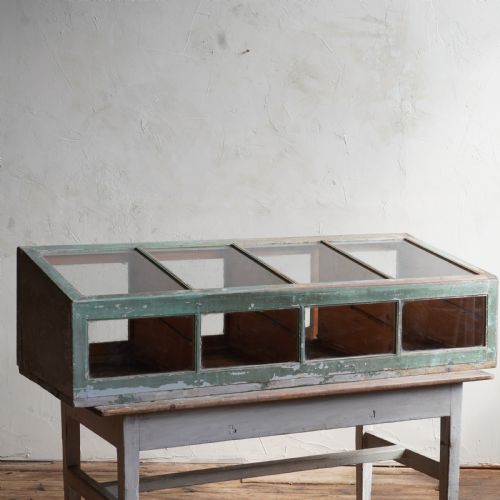
These green painted display cabinet examples bring colour and character to a room, offering a practical way to store and show ceramics and glassware.
Green Painted Display Cabinet
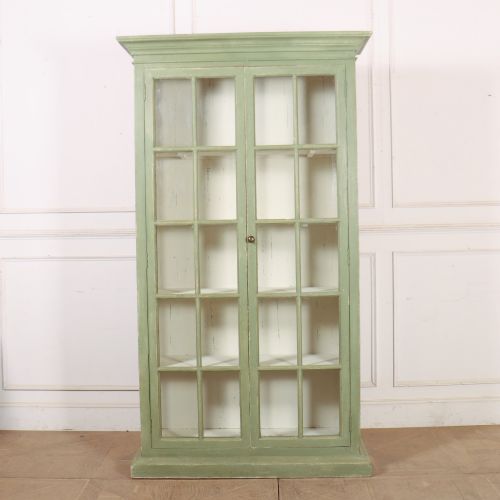
When you search for a green painted display cabinet, you find storage forms ranging from 18th century Dutch vitrines and corner cupboards to 19th century English glazed bookcases and kitchen dressers. The selection also includes smaller countertop cabinets, boudoir cabinets, and Edwardian painted pieces.
The pieces on this page lean heavily into painted wood, pine, and simulated paint finishes from periods spanning the 18th century through to the early 20th century. Larger glazed bookcases and dressers sit alongside compact countertop versions and corner cupboards.
Origin details in the evidence point towards English, Dutch, and French workshops, utilising regional styles like English Country, Regency, and Rococo Revival. Buyers meet everything from large standing corner cupboards to slender glazed bookcases.
How green painted display cabinet items were made
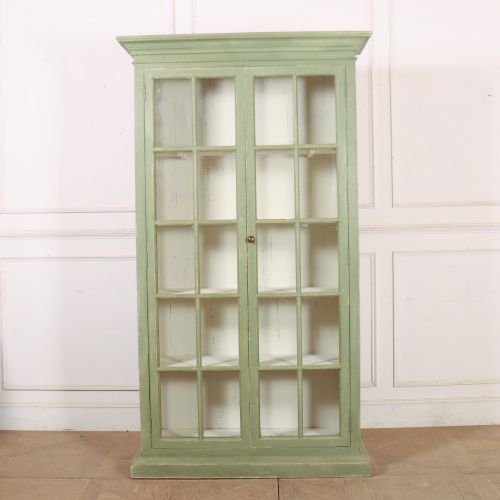
Makers constructed these cabinets using timber such as pine and painted wood, often applying surface layers of paint, enamel, or gold leaf. Glazed doors incorporate glass panels to protect the interior shelves and contents.
Hardware details involve brass fixtures and fittings, whilst structural work relies on traditional joinery suited to casework and shelving. Painted finishes range from distressed surfaces to simulated paint techniques applied over the wood.
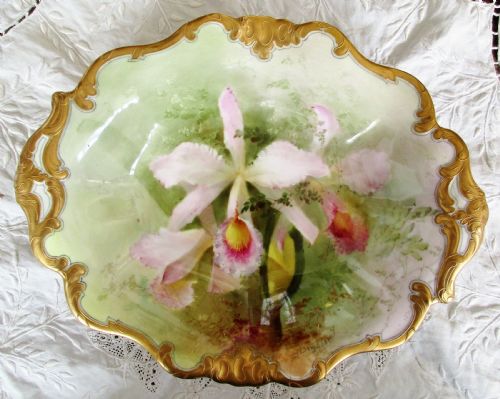
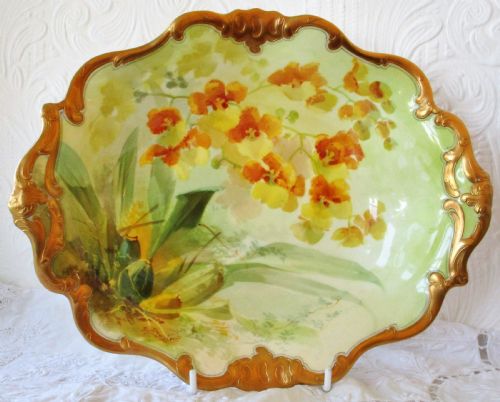
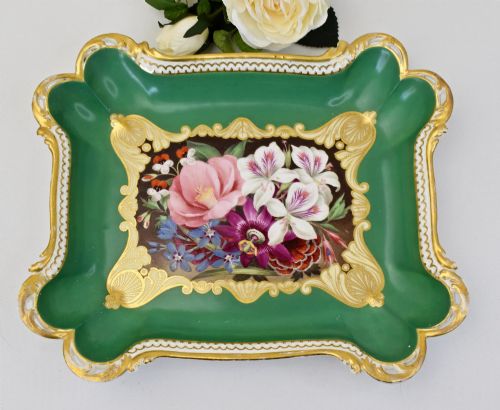
Among the storage furniture, the selection includes a countertop display cabinet with distressed paint alongside several porcelain cabinet dishes.
What varies in quality in green painted display cabinet pieces
Quality shows in the execution of the painted surface, where layered finishes and purposeful distressing reveal depth rather than flat application. The handling of decorative woodwork, particularly on cornices and mouldings, separates standard utility pieces from finer items.
The integration of glass within doors and the crispness of brass hardware contribute to the overall standard of a piece. Proportions and the balance between timber structure and glazed display areas determine the visual weight of the cabinet.
Royal Doulton·Doe and Rogers·Flight Barr and Barr·Coalport·Bloor Derby
The Green Painted Display Cabinet Glossary
- Vitrine
- A glass-fronted cabinet designed specifically for the display of fine objects or porcelain. These pieces typically feature glazed doors and sides to maximise light penetration.
- Glazed Bookcase
- A tall storage unit featuring glass panes set into the doors to keep books or collections visible yet dust-free. They appear frequently in 19th-century English formats.
- Corner Cupboard
- A storage cabinet built with an angled footprint to fit neatly into the corner of a room. Surviving examples often date from the 18th century and utilise painted pine.
- Simulated Paint
- A decorative finish applied to timber to imitate a different material or an aged painted patina. This technique appears on early 19th-century bookcases.
- Distressed Paint
- A surface treatment where layers of paint show deliberate wear or ageing to create a rustic texture. This finish is common on antique countertop display cabinets.
Green Painted Display Cabinet: Frequently Asked Questions
What is a green painted display cabinet used for?
These cabinets serve to store and exhibit porcelain, glassware, and decorative objects behind glass doors.
They keep items protected from dust while making collections visible in living spaces or kitchens.
How do I date a green painted display cabinet?
Dating relies on assessing the timber construction, hardware, glass type, and overall architectural style.
Pieces from the 18th century often display heavy pine carcass work and corner forms, while 19th-century examples frequently feature glazed bookcase formats.
Where were these painted cabinets made?
The evidence shows examples originating from English, Dutch, and French workshops.
Regional variations appear across English country pieces, Dutch vitrines, and French concave glass designs.
Are the paint finishes original?
Paint treatments vary between historic painted surfaces, distressed finishes, and simulated paint.
Some pieces record specific treatments like gold leaf or enamel accents applied over the wood base.