
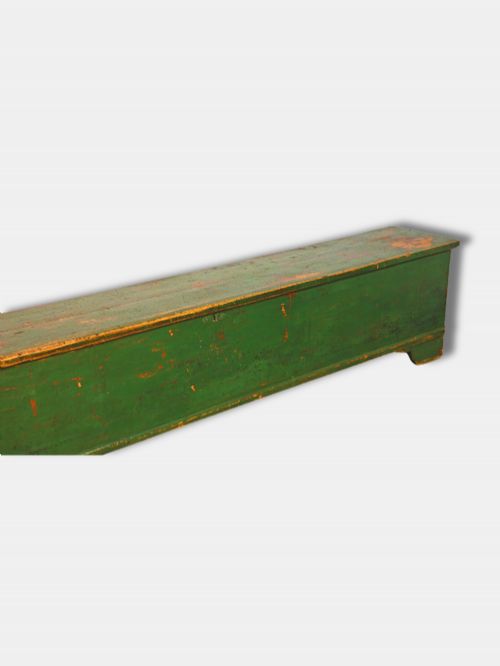


Green Painted Bench
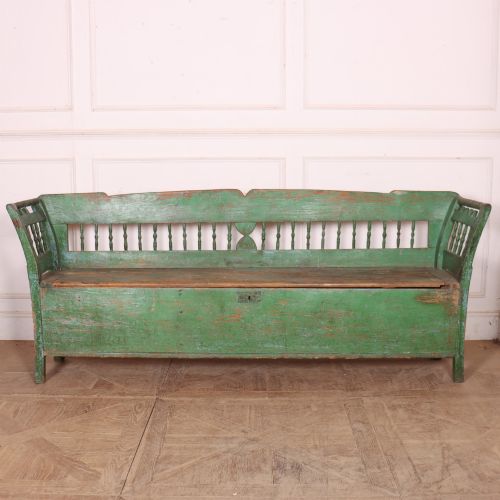
A green painted bench brings enduring character to a terrace or hallway, offering practical seating imbued with layers of historic pigment.
Green Painted Bench
When you search for a green painted bench, you encounter seating forms spanning the nineteenth and twentieth centuries, ranging from sturdy garden benches to rustic farmhouse settles. These pieces originate from diverse European traditions, including Austrian, Hungarian, French, and English workshops.
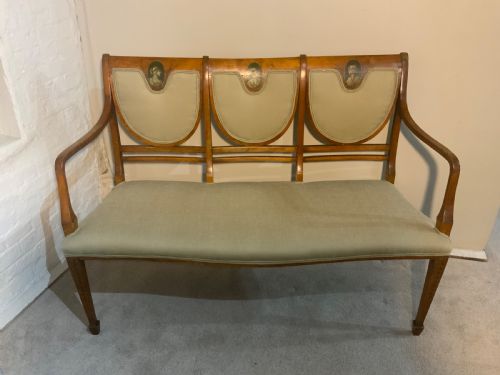
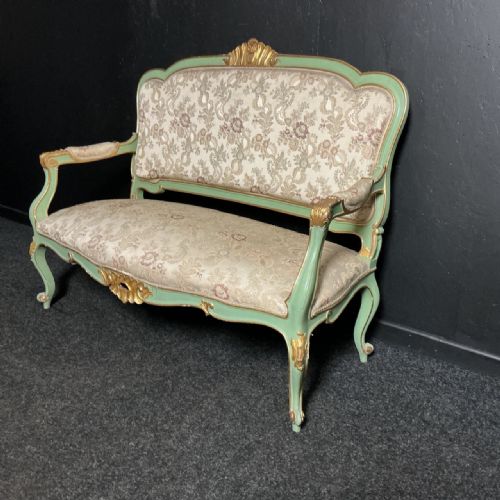
The selections available here frequently feature pine, wrought iron, and carved wood, finished with original or aged green paint. You will find items that served utilitarian roles in farmhouses, potting sheds, and gardens, as well as more formal domestic settees.
The most common iterations on this page are nineteenth-century garden benches and country house benches built from pine or wrought iron. Many retain distinct patination, showing decades of weathering or domestic wear beneath successive coats of green pigment.
How they were made
Makers constructed these benches primarily using solid pine, timber, and robust wrought iron, employing traditional joinery such as mortise and tenon frames for wooden variants. Garden pieces often combined cast iron frames with wooden slats to withstand outdoor elements.
Surface finishes relied on oil-based or lead paints applied over bare timber or iron, frequently building up multiple layers through decades of redecoration. This layering process created the characteristic flaking and craquelure valued by modern collectors.
Green Painted Bench Retail Price Guide 2026
Typical asking prices for green painted bench among the pieces listed under this phrase on Sellingantiques today, from the lower quarter to the upper quarter. They describe what is for sale here now, not the wider market.
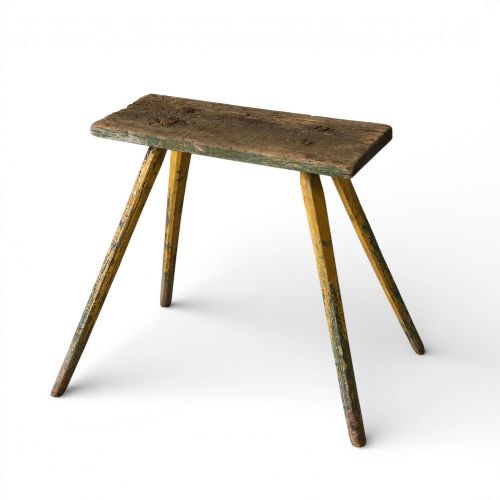
Several pieces preserve stubborn layers of old green paint that witnessed countless farmhouse winters and muddy gardening boots.
What varies in quality
The distinction between ordinary and exceptional pieces rests upon the survival of original surface finishes and structural integrity. Benches retaining undisturbed, early green paint layers command greater interest than those stripped and repainted in modern times.
Proportion and decorative restraint also set finer examples apart, particularly in country house and regional folk art pieces where hand-carved details or balanced proportions reflect the maker's skill.
John Tesch·Whytock and Reid
The Green Painted Bench Glossary
- Settle
- A wooden bench with a high back, solid arms, and often a storage box beneath the seat. It was traditionally placed near the hearth to block draughts in farmhouse kitchens.
- Strapwork
- Flat bands of metal arranged in geometric patterns, commonly seen on Victorian garden benches. This technique provided structural rigidity while offering an ornamental facade.
- Patination
- The natural surface alteration caused by age, wear, and exposure to light. On these benches, it appears as softened edges and worn paint revealing underlying timber.
- Polychrome
- Decorated in multiple colours. This term describes surfaces featuring more than one pigment, often seen on continental European folk furniture.
- Canapé
- An upholstered French sofa or settee featuring an exposed wooden frame. These pieces reflect formal court styles rather than rustic vernacular traditions.
Green Painted Bench: Frequently Asked Questions
Where should I place a green painted bench?
These benches suit sheltered outdoor spaces like orangeries, covered verandahs, or well-drained garden spots where moisture will not accelerate timber decay.
Inside the home, they function effectively in boot rooms, hallways, or spacious kitchens as practical seating with built-in character.
How do I care for original paint?
Preserve fragile surfaces by avoiding harsh modern chemical cleaners and abrasive cloths. Dust gently with a dry, soft brush to remove surface debris.
Keep wooden and iron pieces away from direct heat sources and excessive dampness to prevent further flaking of the historic pigment.
Are these benches suitable for daily sitting?
Most antique wooden and iron benches remain structurally robust for everyday use, provided the joints and fixings have been checked. Iron garden variants offer particular sturdiness for outdoor seating.
Lighter decorative settees or delicate folk art pieces are better suited to lighter daily traffic or decorative placement.
How can I tell the age of the paint?
Examination under magnification reveals the microscopic layering of older mineral pigments and linseed oil binders compared to modern synthetic emulsions. Craquelure and uniform fading offer further visual clues to age.
Wear patterns around armrests and edges typically correspond to natural human interaction over many decades.