





Green Oushak Carpet
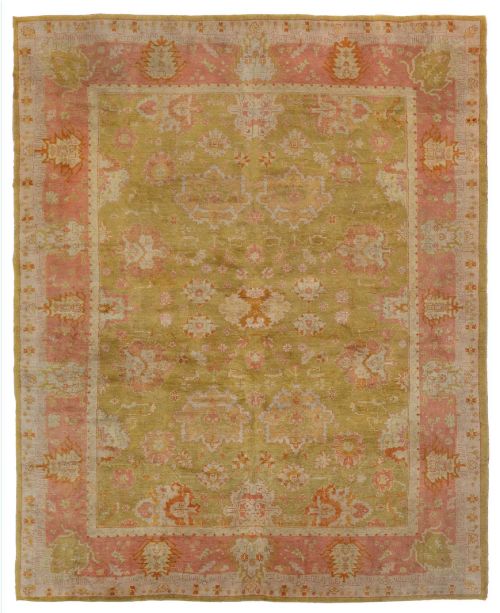
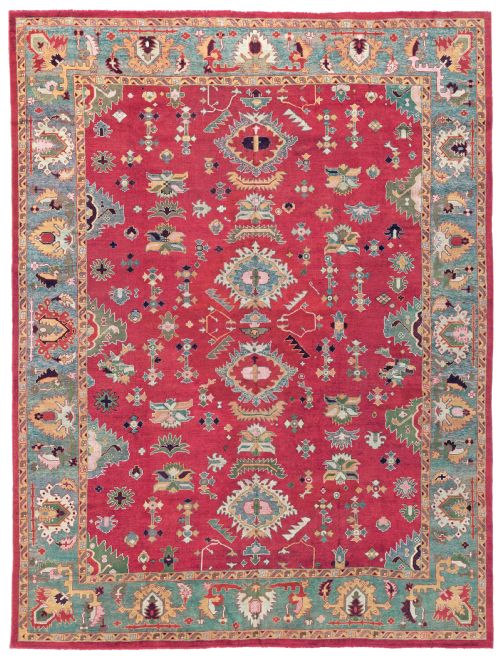
These green oushak carpet examples bring rich Anatolian warmth and distinctive coloration into a room, offering genuine historical character for interior schemes.
Green Oushak Carpet
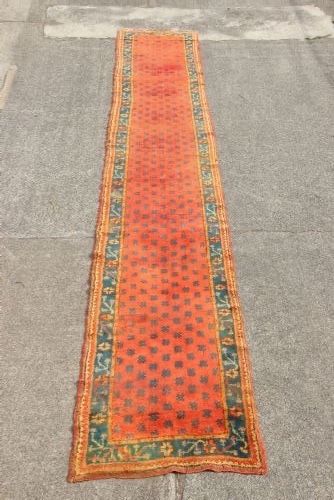
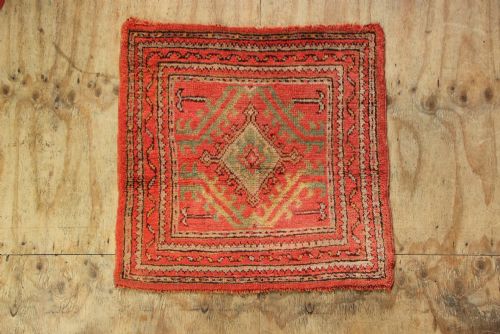
A green oushak carpet forms part of a traditional weaving heritage originating from western Anatolia, encompassing large carpets, square formats, and long narrow runners. Buyers searching for this phrase encounter pieces dating across the late nineteenth and early twentieth centuries, specifically spanning the 1880 to 1910 period.
The inventory on this page demonstrates various forms including standard carpets, kilims, and runners. These textiles reflect Ottoman Turkish and Anatolian design traditions, featuring distinctive green fields that distinguish them from standard red or blue formats.
How they were made
Weavers constructed these carpets using natural materials such as wool and cotton foundation structures, occasionally incorporating angora wool for softer pile textures. These organic components allow the textiles to age gracefully while maintaining structural integrity over decades of use.
Traditional Anatolian workshops employed time-honoured knotting and flat-weaving techniques characteristic of the Ushak region. Artisans combined locally sourced dyes with durable fibres to produce the distinct green ground designs seen in the collection.
Green Oushak Carpet Retail Price Guide 2026
Typical asking prices for green oushak carpet among the pieces listed under this phrase on Sellingantiques today, from the lower quarter to the upper quarter. They describe what is for sale here now, not the wider market.
Every green field carries the quiet whisper of nineteenth-century Anatolian sheep.
What varies in quality
The distinction between standard examples and superior specimens lies in the subtlety of the dye work and the crispness of the Anatolian design execution. A scarcer green field with balanced abrash displays greater visual depth than uniform or faded surfaces.
Structural density and pile preservation further divide the range, as tighter knotting yields superior longevity under foot traffic. The handling of the wool, particularly when angora is utilised, influences the tactile suppleness of the finished rug.
The Green Oushak Carpet Glossary
- Ushak
- A traditional Turkish carpet-weaving centre in western Anatolia known for large-scale floral motifs and soft pastel or distinctive green fields. These pieces date principally from the late nineteenth and early twentieth centuries.
- Kilim
- A flat-woven carpet or rug lacking a pile, produced by tightly interweaving warp and weft strands. This technique results in a lighter, reversible textile with sharp geometric patterns.
- Angora Wool
- The silky hair of the Angora goat, sometimes incorporated into pile carpets for an exceptionally soft handle and lustrous sheen. It enhances the tactile quality of the textile.
- Abrash
- Subtle tonal variations and horizontal bands of colour shift within a carpet, caused by successive batches of dye in traditional vegetable-dyed wool. Collectors value this feature as evidence of hand-dyed authenticity.
Green Oushak Carpet: Frequently Asked Questions
Where should I place a green oushak carpet?
These rugs anchor living rooms, studies, and hallways effectively, providing a natural focal point with their distinctive green fields.
Long narrow runners suit corridors and staircases, while square formats fit smaller seating areas or bedroom spaces.
How do I care for an antique oushak?
Regular gentle vacuuming without a beater bar removes loose grit before it settles into the wool foundation.
Professional specialist cleaning is essential to preserve the historical vegetable dyes and delicate cotton structures.
How do I date an antique oushak?
Dating relies on examining the structural materials, knot density, and natural dye characteristics typical of late nineteenth and early twentieth-century Anatolian production.
Design motifs and wear patterns also help place a carpet within the 1880 to 1910 timeframe.
Are these carpets suitable for heavy traffic?
Traditional wool and cotton construction provides robust durability for domestic environments when maintained properly.
Placing a quality underlay beneath the carpet cushions the pile and reduces friction against hard flooring.