




Green Leather Seat
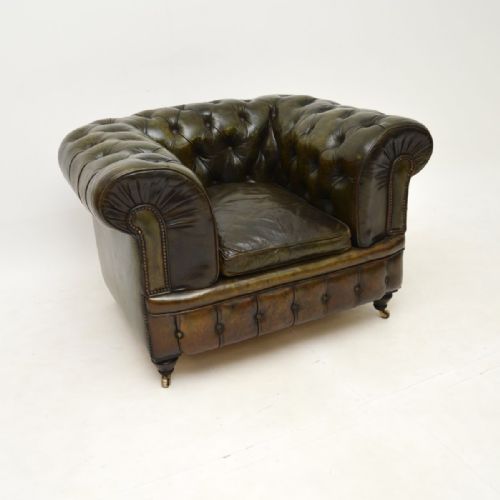
A green leather seat brings rich colour and enduring utility to any room, taking many forms from library armchairs to club fenders.
Green Leather Seat
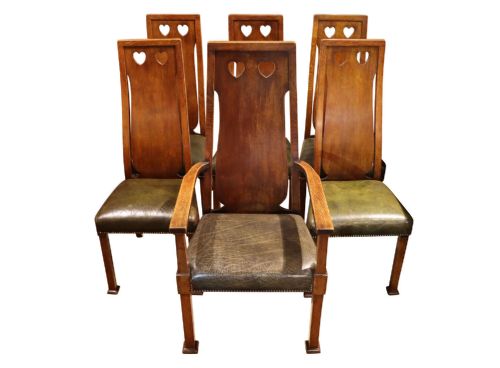
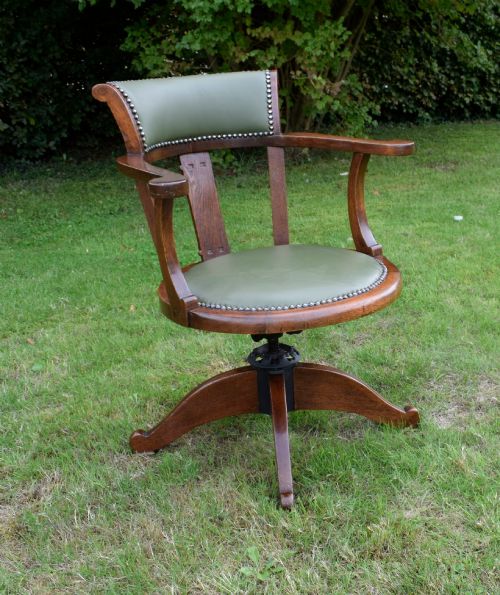
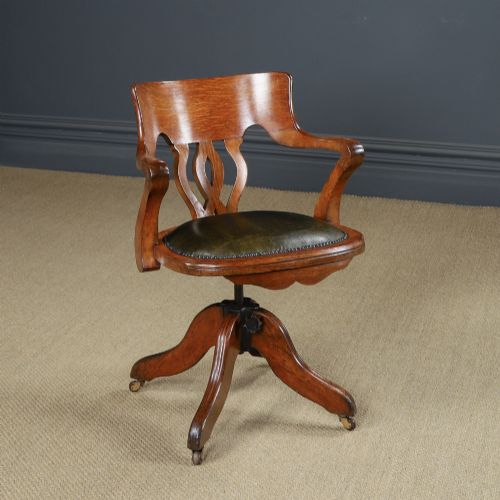
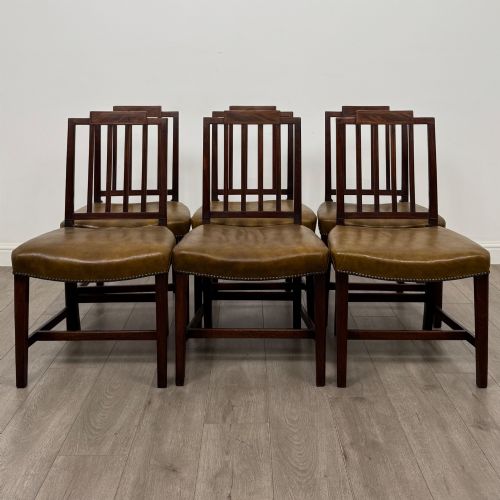
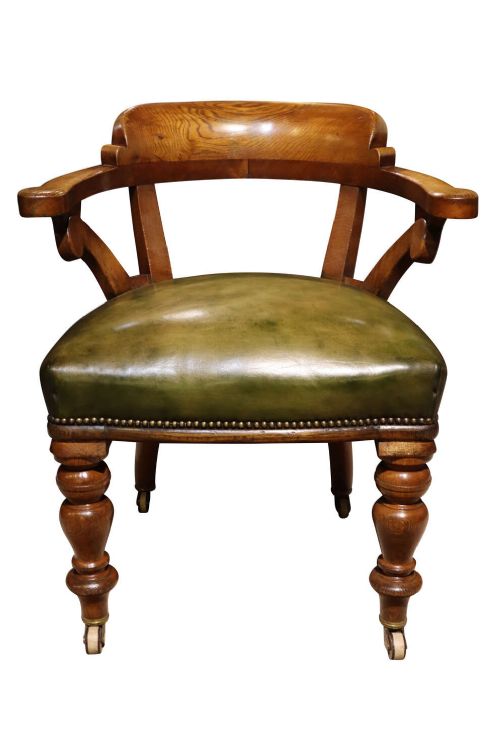
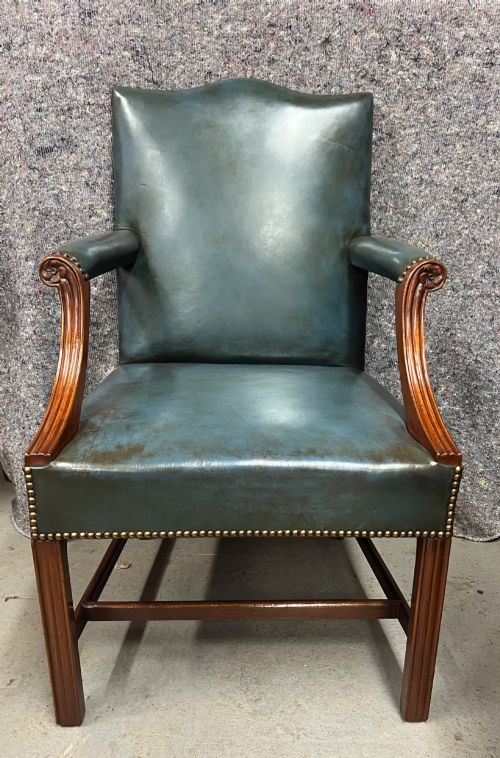
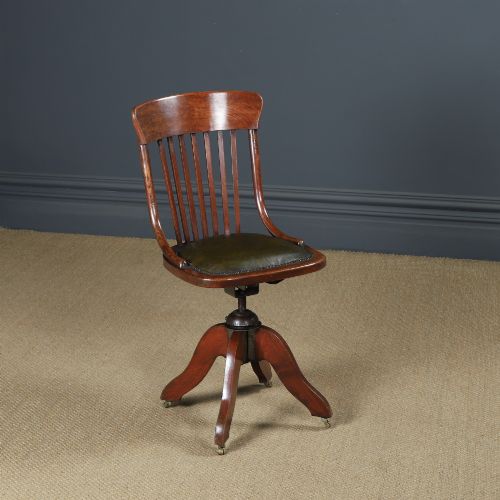
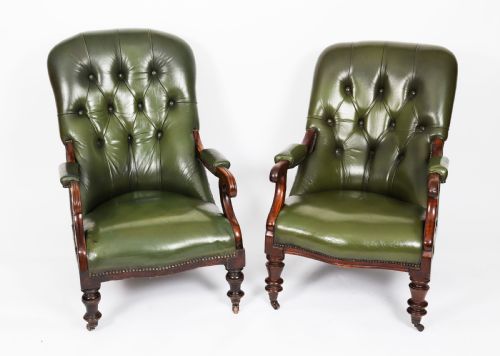
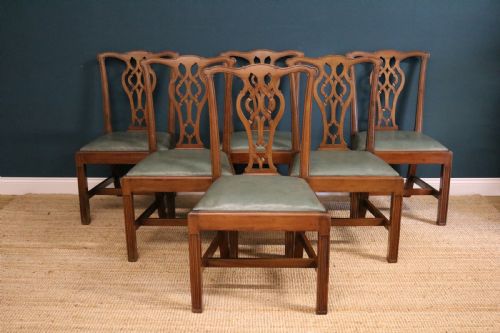
When you search for a green leather seat, you encounter a diverse array of antique seating and fireplace furnishings spanning several centuries. The selection ranges from robust oak and mahogany dining chairs to swivel desk chairs and club fenders.
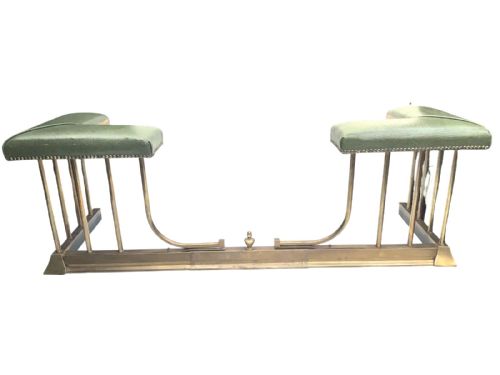
You are most likely to meet Victorian library armchairs, Edwardian office chairs, and various styles of club fenders featuring padded green leather tops. These pieces combine practical utility with traditional craftsmanship.
The materials span solid woods like mahogany, oak, and walnut paired with durable leather upholstery and brass or iron accents. Each object reflects the distinct aesthetic preferences of its period, from Georgian formality to Arts and Crafts simplicity.
How they were made
Carpenters and cabinet makers utilised timbers such as mahogany, oak, and walnut to construct the sturdy frames seen across these pieces. Joints were often pegged or dowelled to ensure longevity under daily use.
Upholsterers fitted the green leather over stuffing materials, securing the hides with traditional tacks or decorative brass head nails. Metal elements in club fenders combined wrought iron, brass, and chrome to create supportive hearth seating.
Some club fenders include brass extenders, ensuring the hearth seating fits the exact stretch of your fender.
What varies in quality
The refinement of the timber carving and the architectural proportions distinguish finer library chairs and dining sets from simpler utility pieces. Selecting dense woods like mahogany or golden oak provides greater structural integrity.
The depth of the buttoning, the suppleness of the hand-dyed leather, and the weight of the brass or iron framework separate standard examples from exceptional workshop productions.
Howard & Son's·William Birch
The Green Leather Seat Glossary
- Club fender
- A low, upholstered metal frame surrounding a hearth, providing additional seating around a fireplace. These incorporate brass or iron bases with leather seat pads.
- Library chair
- A substantial, comfortable armchair designed for reading rooms and studies, frequently upholstered in buttoned leather. They often feature robust mahogany or oak frames.
- Swivel desk chair
- An office chair mounted on a revolving mechanism, allowing movement at a partner desk or bureau. These pieces date predominantly from the late nineteenth and early twentieth centuries.
- Button-back
- An upholstery technique where depressions are formed in the padding by pulling thread through the leather to secure uniform tufting. This method adds both texture and structural tightness to sofas and armchairs.
- Carver chair
- An armchair designed to match a set of dining chairs, traditionally placed at the head of the dining table. They feature supportive armrests integrated into the wooden frame.
Green Leather Seat: Frequently Asked Questions
How do I care for antique leather?
Maintain the material by applying appropriate leather dressings to prevent drying and cracking over time. Keep the seat away from direct heat sources and strong sunlight.
Dust the surface regularly with a soft, dry cloth to preserve the finish without damaging the original dye or patina.
What is a club fender?
A club fender is a low metal structure placed around a fireplace opening to provide comfortable seating close to the fire. The frame supports padded cushions upholstered in leather.
These accessories originated in country houses and offer a practical solution for hearthside warmth and social gathering.
Are desk chairs comfortable for daily use?
Many antique desk chairs feature ergonomic revolving mechanisms and supportive curved wooden backs designed for sustained work. Their sturdy construction suits modern study environments.
Upholstered seat pads provide adequate cushioning for regular daily seating without sacrificing period character.
How do I identify a Victorian library chair?
Victorian library chairs typically display heavy timber frames in oak, walnut, or mahogany, often featuring deep buttoned green leather upholstery. Turned wooden legs sometimes incorporate castors for mobility.
These substantial armchairs convey the solid construction methods characteristic of the nineteenth century.