





Green Leather Chest
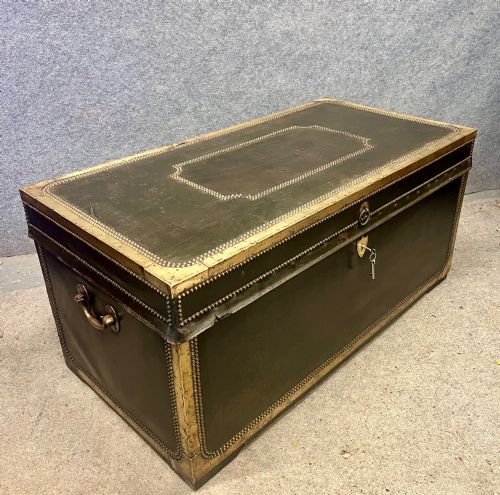
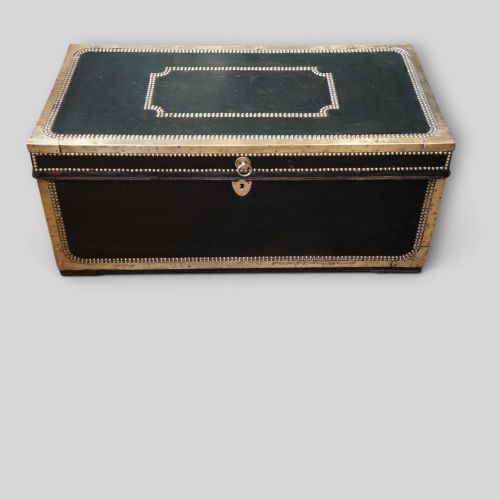
A green leather chest brings rich colour and robust utility to a room, drawing the eye with its weathered hide and gleaming brass work.
Green Leather Chest
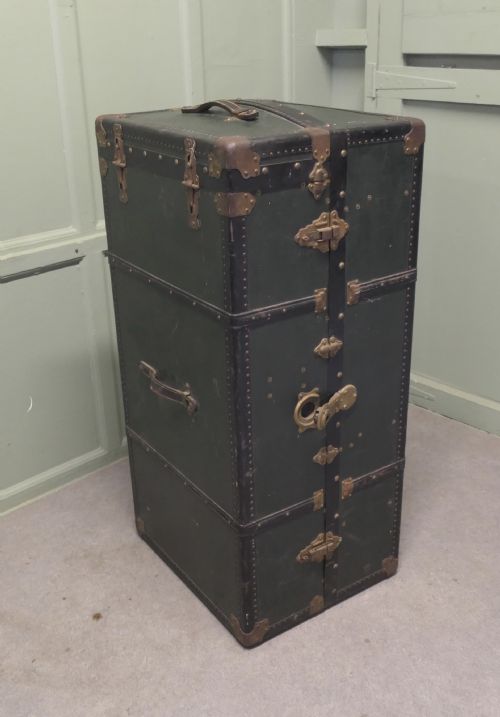
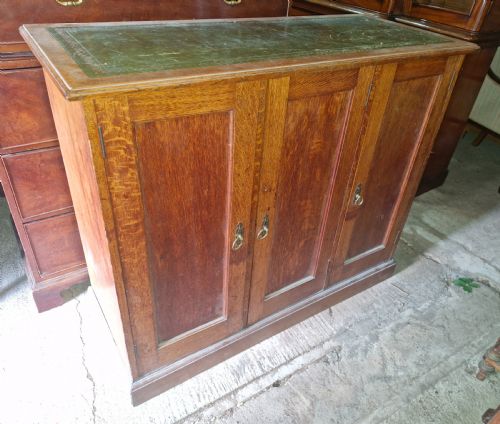
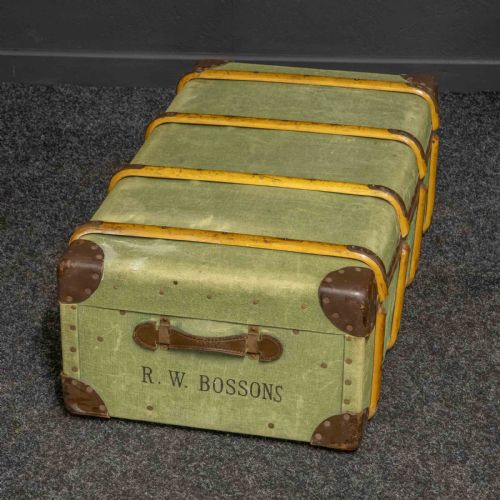
A green leather chest encompasses a varied selection of antique storage pieces, including campaign trunks, leather-covered trunks, and occasional chests from the 18th, 19th, and early 20th centuries. These items combine practical storage with distinct historical character, originating from periods such as the Regency, Georgian, and Victorian eras.
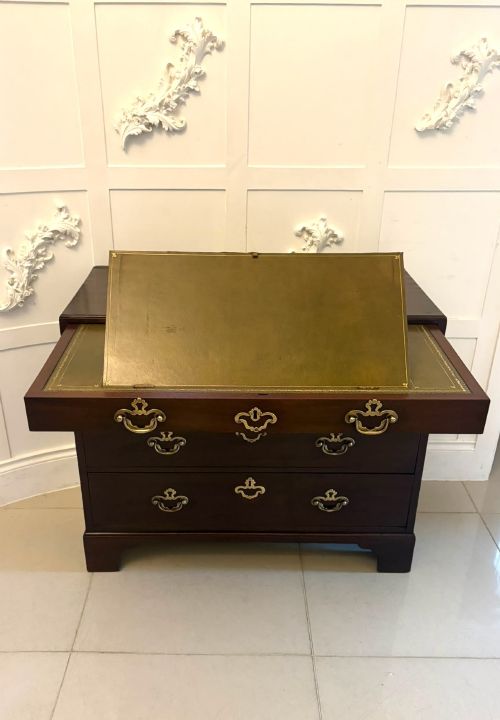
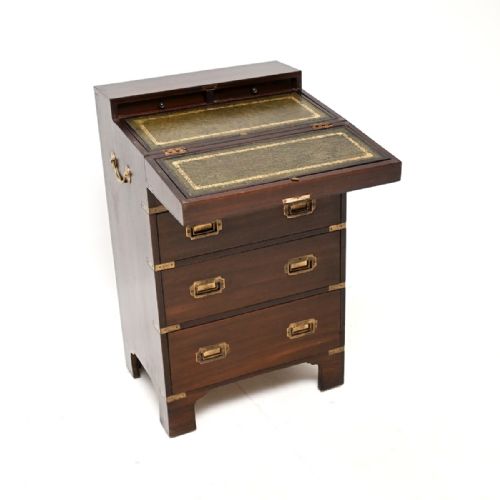
On this page, you are most likely to encounter campaign trunks and travelling chests finished in leather, alongside related forms like mahogany chests of drawers and occasional picnic cases. Many examples show the influence of travel and military use, utilising durable hides paired with timber frames.
How they were made
The construction of these pieces relies on sturdy woods such as mahogany, oak, camphor wood, and pine, which form the structural carcasses and drawer interiors. Artisans then applied leather coverings, sometimes painting or dyeing the hide, and secured the edges and corners with brass studs, straps, and protective brackets.
Travel and campaign pieces incorporate specialised hardware like flush-fitting brass handles and reinforced joints to withstand the rigours of transit. Details such as fitted writing desks, interior compartments, and hand-stitched upholstery show the specialised joinery and trimming techniques of the period.
Green Leather Chest Retail Price Guide 2026
Typical asking prices for green leather chest among the pieces listed under this phrase on Sellingantiques today, from the lower quarter to the upper quarter. They describe what is for sale here now, not the wider market.
The inventory spans the 18th century, Regency period, Victorian era, and the early 20th century.
What varies in quality
Quality in these storage pieces rests upon the integrity of the timber frame, the choice of secondary woods, and the original condition of the leather surface. Finer examples retain their original brass mounts, working locks, and uncompromised structural joints without excessive replacement parts.
The sophistication of the interior fitments, such as secret compartments, fitted writing drawers, or original fabric linings, separates standard utility items from superior workshop productions. Furthermore, the crispness of the brass studwork and the depth of the patination on the leather distinguish finer cabinet and trunk making.
John Pound·Druce & Co.
The Green Leather Chest Glossary
- Campaign trunk
- A portable chest or trunk designed for military officers on the move, typically constructed with recessed brass hardware and protective corners. These pieces split or open to facilitate transport on travels.
- Camphor wood
- An aromatic timber frequently utilised for campaign chests and trunks due to its natural insect-repellent properties. It provides a stable, fragrant interior for storing textiles and papers.
- Cartonnier
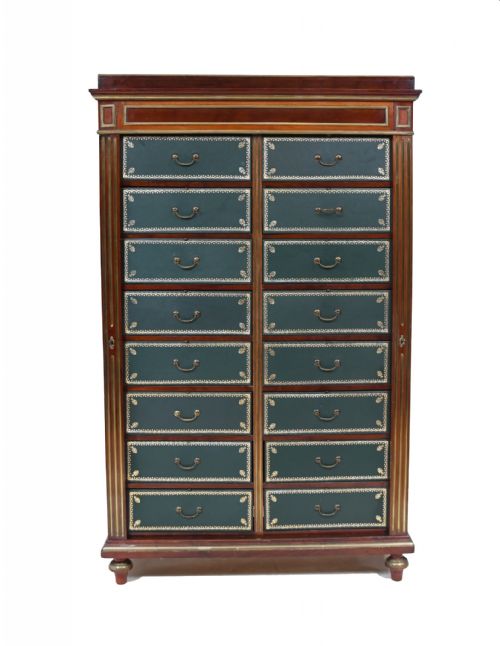
- A set of modular storage boxes or drawers, often housed in a tall cabinet frame, used historically for sorting papers and documents. French examples often feature leather-bound drawer fronts.
- Wellington chest
- A tall, narrow chest of drawers secured by a hinged locking side bar that fastens with a key. This locking mechanism holds all the drawers shut simultaneously.
- Mahogany
- A dense, durable hardwood prized by cabinet makers for its rich grain and stability. It forms the primary carcase and drawer construction for many Georgian and Regency pieces.
Green Leather Chest: Frequently Asked Questions
What is a green leather chest used for?
These chests provide substantial enclosed storage for blankets, linens, and household items while serving as decorative focal points in a hallway, bedroom, or living space.
Many examples feature internal compartments or writing surfaces, offering functional utility alongside their decorative presence.
How do I care for antique leather?
Maintain the leather by keeping the piece away from direct sunlight and heat sources that can dry and crack the historic hide. Apply specialist wax or leather conditioner sparingly to nourish the material without altering its patination.
Dust regularly with a soft, dry cloth to prevent dirt accumulation in the grain and around the brass studs.
What periods do these chests come from?
The pieces span multiple centuries, with examples originating from the Georgian and Regency periods through to the Victorian era and the early 20th century.
Each period brings distinct proportions, hardware styles, and construction methods characteristic of its era.