



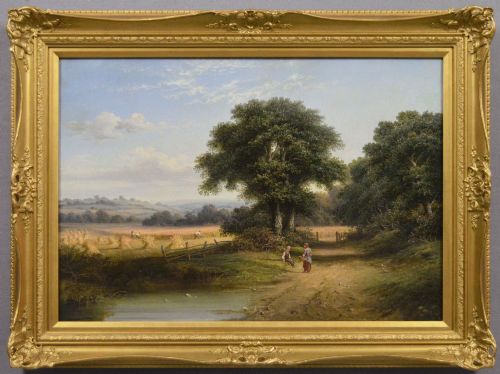
Green Landscape Picture
A green landscape picture brings the quiet of rivers, woodlands and pastures directly onto a wall.
Green Landscape Picture
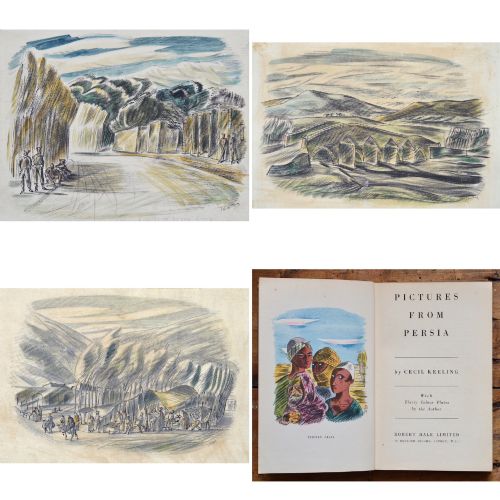
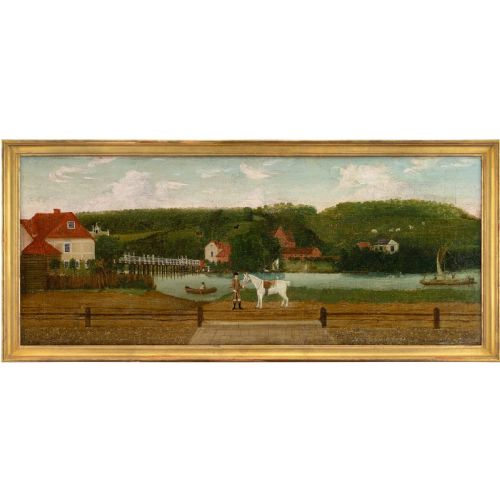
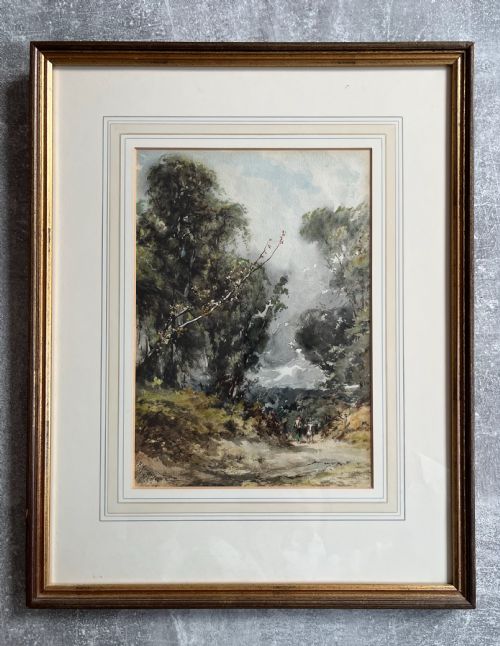
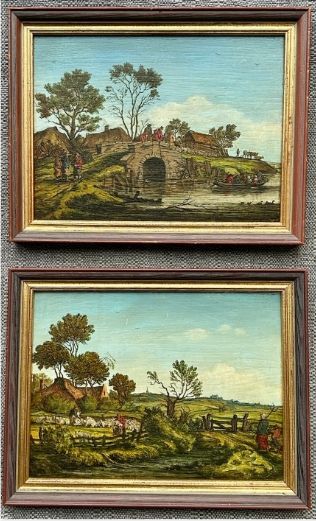
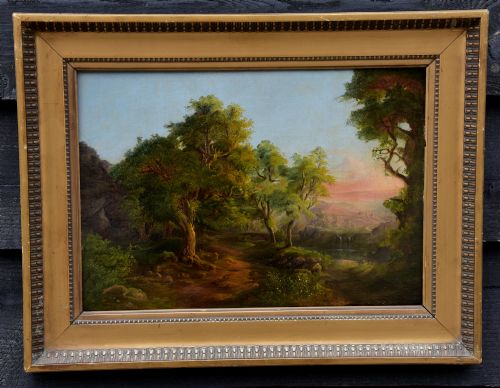
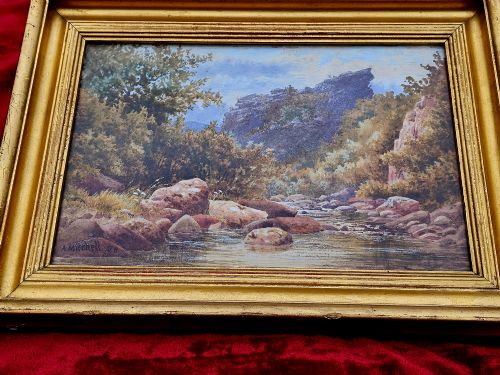
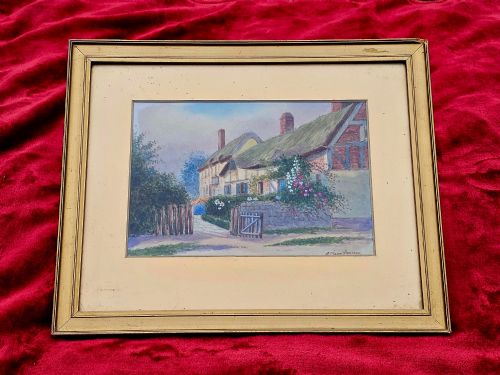
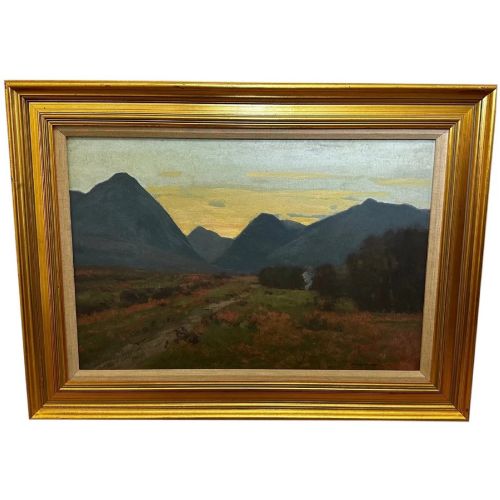
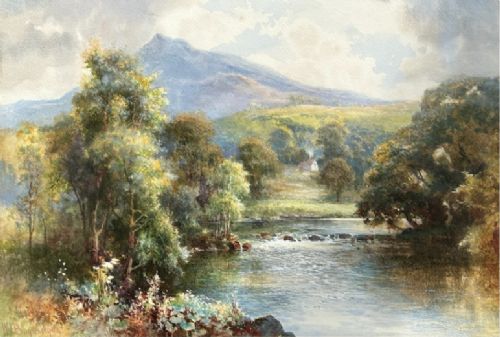
A green landscape picture captures rural scenery through oil on canvas, watercolour on paper and oil on wood panel. These pieces reflect periods ranging from the Victorian era and Edwardian years through to the early twentieth century.
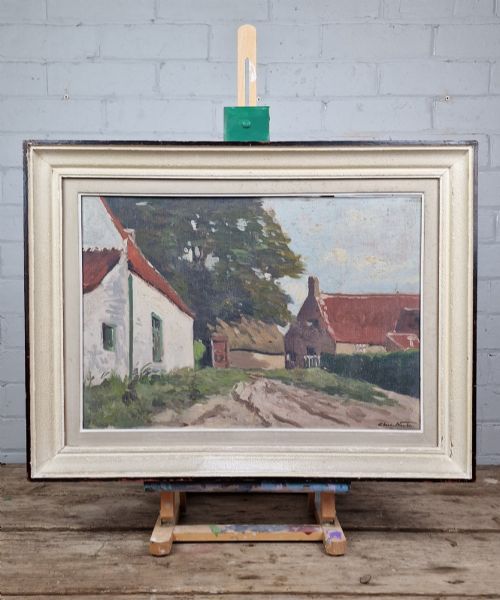
The subjects span British river valleys, Welsh mountains and Scottish glens, alongside continental European scenes. Painters utilise traditional techniques to record woodlands, cattle pastures and quiet farmyard views.
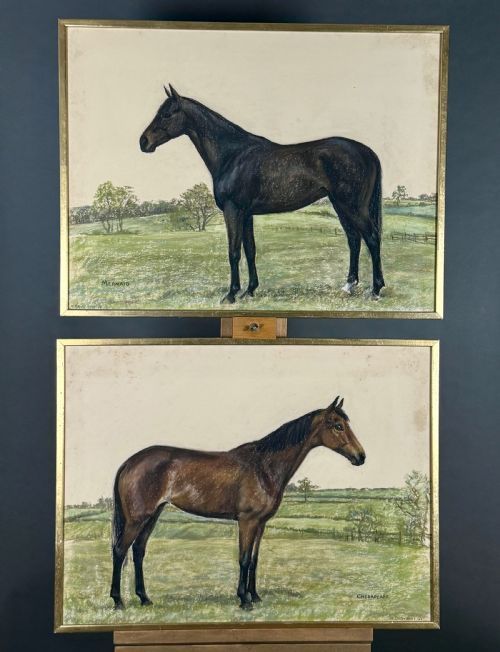
Most examples appear framed in original wood or gilt surrounds, preserving the character of the period. Buyers find works attributed to named artists as well as provincial naive folk art pieces.
Materials and Technique
Artists apply oil paint or watercolour to surfaces such as canvas, wood panels, board and stiff paper. Oil mediums allow for textured brushwork in woodland and pasture scenes, while watercolours offer transparent washes for river valleys.
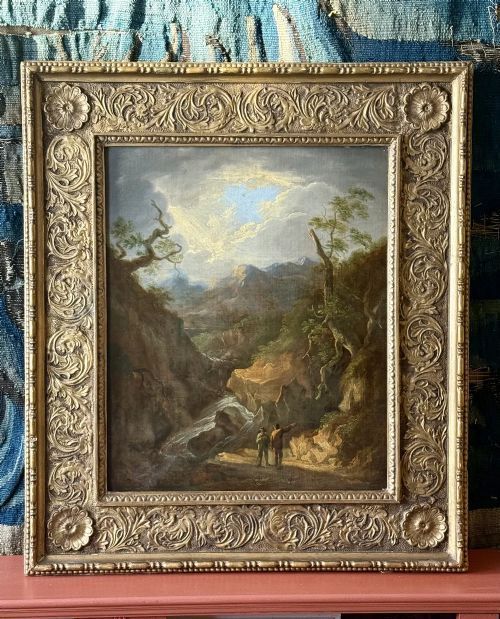
Many works incorporate gilt frames that complement the pigments and protect the edges of the paper or canvas. Wood panels provide a rigid support for nineteenth-century oil paintings executed outside in the landscape.
Listings feature nineteenth and twentieth century oil paintings, watercolours and pastels depicting woodlands, rivers and pastures.
Distinctions in Quality
The handling of light and shadow across foliage and water distinguishes finer brushwork from simpler compositions. Control over atmospheric perspective gives depth to distant hills and riverbanks in superior examples.
The condition of the paint surface and the originality of the mounting influence the overall integrity of the piece. Subtle colour harmonies within the green and earth tones separate accomplished regional artists from basic folk art.
George Fotherly Hargitt·William H Myers·Alfred Young Nutt·W Klombeck·George Houston·William Joseph Boyes·David Bates·Benjamin Barker·Charles Houben·Walter Heath Williams·Ernest Arthur Rowe·Harald Foss·Frederick James Kerr·Thomas Maidment·Henry Yeen King·Percy Lancaster·William Greaves·Joseph Knight·Sydney Yates Johnson·William George Tennick·Hubert Wellington
The Green Landscape Picture Glossary
- Watercolour
- A paint consisting of water-soluble pigments applied to paper. It relies on the white of the paper showing through transparent washes to create light.
- Oil on Canvas
- Pigments suspended in a drying oil spread over a stretched woven fabric. This method permits rich texture and deep blending of woodland shades.
- Gilt Frame
- A wooden border coated with gold leaf or metallic paint. These surrounds often date from the same period as the artwork itself.
- Provenance
- The documented history of ownership of an artwork. It helps verify the origin and authenticity of older paintings.
- Impressionism
- A style focused on accurate depiction of light in its changing qualities. Artists working in this manner often apply visible brush strokes to outdoor scenes.
Green Landscape Picture: Frequently Asked Questions
What periods do these paintings come from?
The available pieces span the nineteenth and twentieth centuries, including Victorian, Edwardian and later decades. Artists from these periods recorded rural scenes using traditional painting methods.
Dates range from the early nineteenth century through to mid-century works, reflecting shifts in British and European landscape painting.
How should I hang and care for watercolour landscapes?
Watercolour paintings on paper require protection from direct sunlight to prevent the pigments from fading over time. Glazing with conservation glass helps shield the paper from humidity and dust.
Keep these framed works away from damp walls and sudden temperature changes to preserve both the paper support and the original frame.
What is the difference between oil on canvas and oil on panel?
Oil on canvas involves stretched fabric that offers a slight give under the brush, allowing for textured applications of paint. Wood panels provide a solid, rigid surface that painters favoured for stability.
Both supports were widely used across the nineteenth and twentieth centuries, often housed in period wooden or gilt frames.
How do I recognise a regional British landscape?
British landscape paintings frequently feature identifiable locations such as Welsh valleys, Scottish glens or English rivers like the Thames. Inscriptions on the reverse or titles on the frame often name the specific site.
The subject matter typically includes native livestock, woodland paths, cottages and agricultural fields rendered by local artists.