

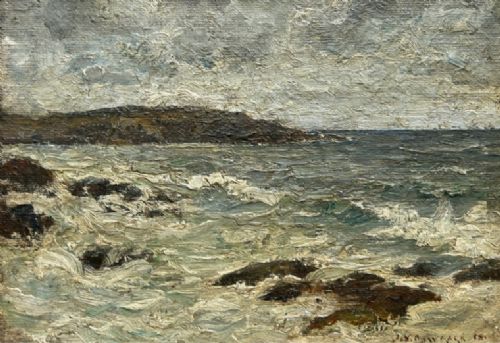
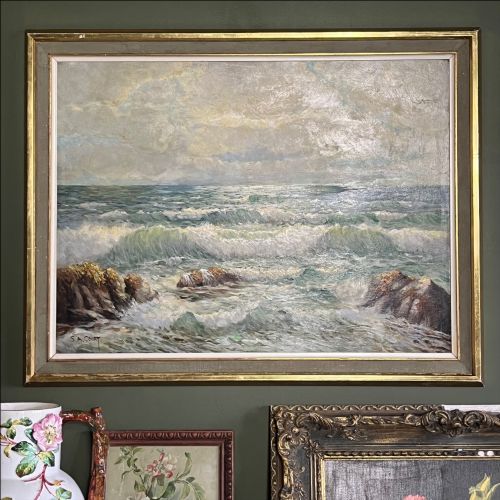
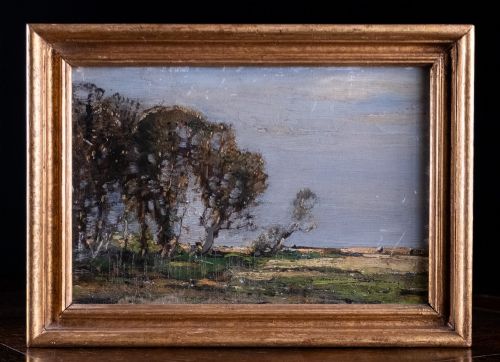
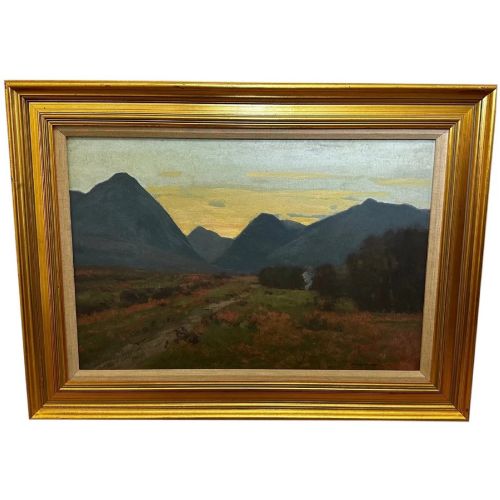
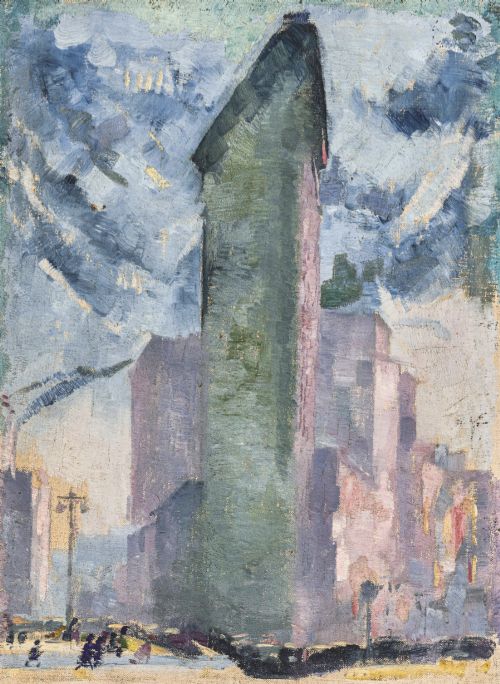
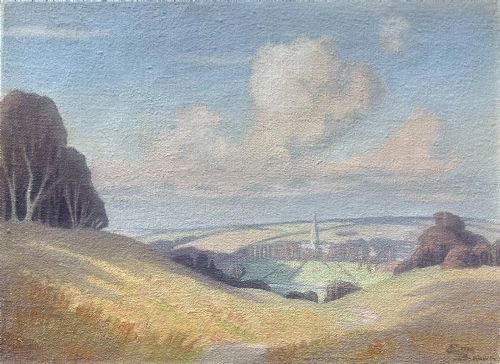
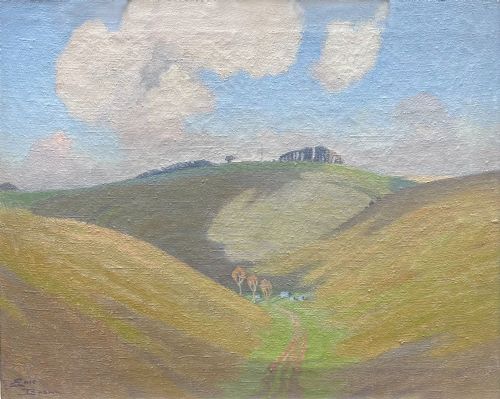
Green Impressionist Landscape Painting
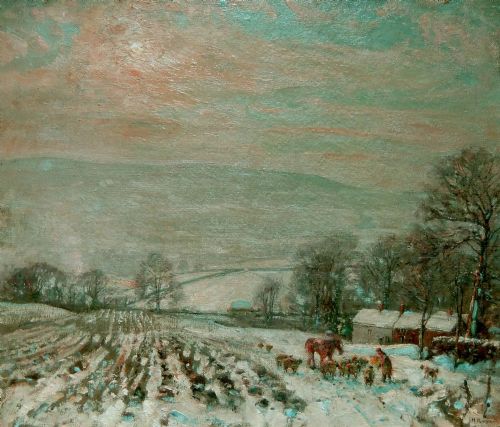
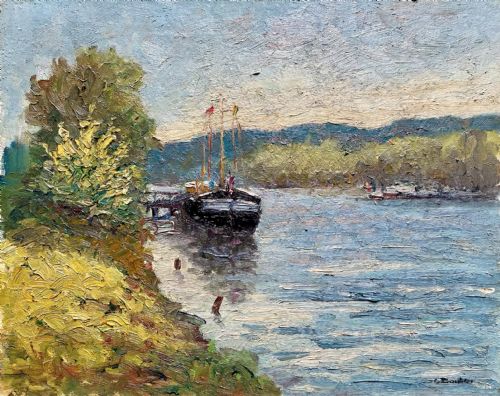
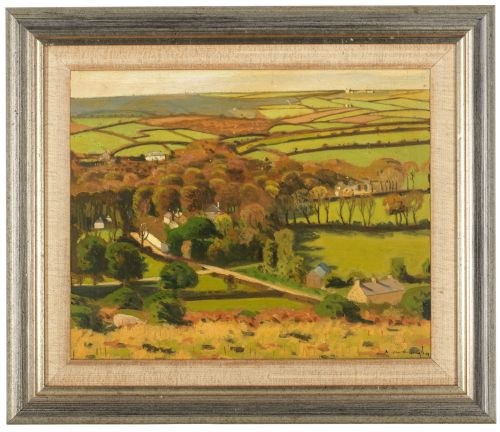
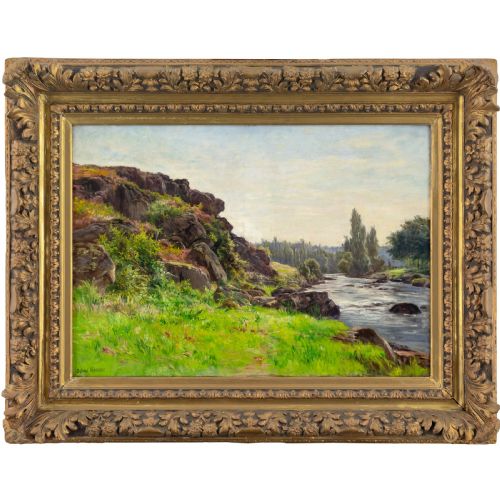
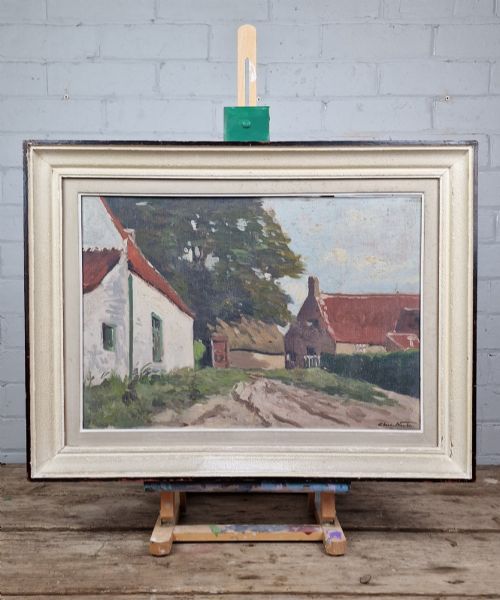
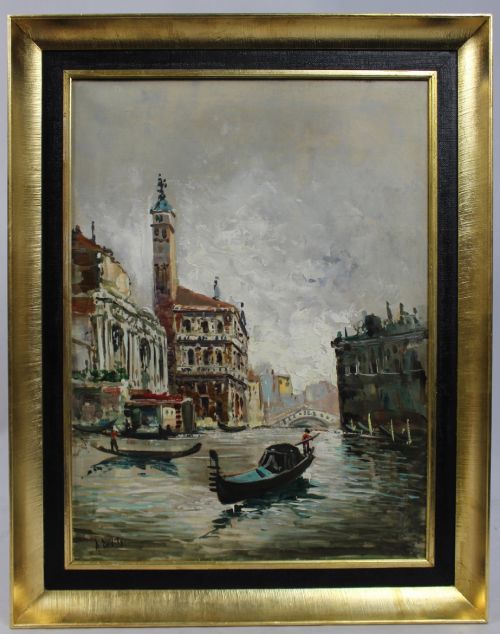
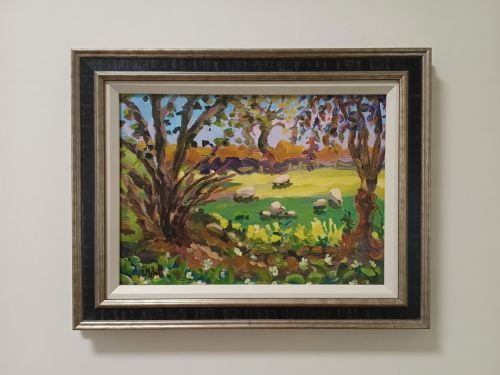
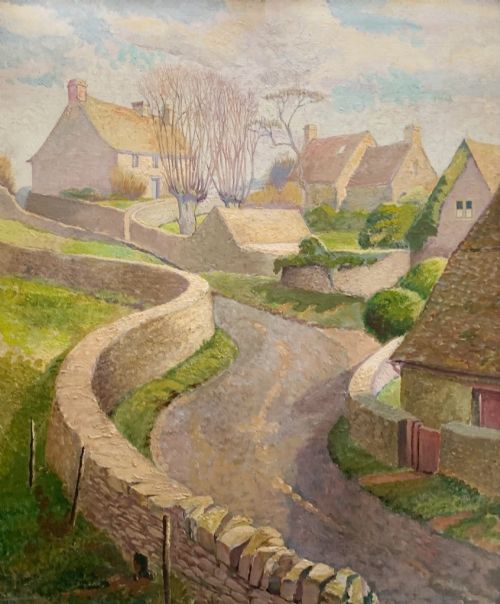
These canvases capture shifting daylight and outdoor scenes, bringing a green impressionist landscape painting into a room with visible brushwork and tonal depth.
Green Impressionist Landscape Painting
A green impressionist landscape painting typically presents rural scenes, riverbanks, trees, and coastal views rendered with loose brushstrokes and a strong emphasis on natural light. The selection ranges from early twentieth century British and French works to pieces spanning the Victorian era through the mid-century decades.
The compositions on this page lean heavily toward oil paint applied to canvas, board, or wood panels, often framed in gilt wood. Painters captured these outdoor views en plein air, translating the shifting hues of fields, foliage, and water directly onto the surface.
Materials and technique
Artists utilised oil paint on supports such as stretched canvas, wooden board, and wood panels to build up texture through visible impasto and layered brushwork. Pigments were mixed to capture natural greens, earthy browns, and pale skies typical of outdoor observations.
Works were frequently completed en plein air to record immediate atmospheric changes, then housed in decorative gilt frames that complemented the tonal warmth of the pastoral and river subjects.
The selection includes British, French, Belgian, and Italian regional schools working within impressionist and post-impressionist traditions.
Factors determining quality
Quality rests on the confidence of the brushwork and the artist's ability to structure light and shadow across a natural scene without overworking the pigment. Stronger examples display deliberate impasto and an assured handling of tonal shifts within foliage and water.
The harmony of the palette and the preservation of the original surface condition also elevate certain works, distinguishing direct field studies from more rigid studio compositions.
George Graham·Kershaw Schofield·George Houston·Herbert Royle·Robert Morson Hughes·Charles Houben·Antonio DeVity·Alfred Wolmark·Eric Brown·Henri Ottmann·Ernest Higgins Rigg·Donald McIntyre·Cecil Allan Mould·Rene Levrel·Paul Desire Trouillebert·Henry de Waroquier·Henry Yeen King·Paul Ehrenberg·Percy Lancaster·Alexander Jamieson·Alexander Wellwood Rattray·John Horace Hooper·Hubert Wellington·Honore Cavaroc·Archibald Kay
The Green Impressionist Landscape Painting Glossary
- En plein air
- Painting outdoors to capture direct observations of natural light and atmosphere. This practice defined much of the impressionist approach to landscape subjects.
- Impasto
- Paint applied thickly to a canvas or board, leaving prominent brush or palette knife marks that catch the light. It adds tactile depth to foliage and water.
- Post-Impressionism
- An art movement extending impressionist techniques while placing greater emphasis on geometric forms, expressive brushwork, or symbolic content.
- Gilt frame
- A wooden picture frame coated with gold leaf or metallic paint, commonly used to finish oil paintings from the nineteenth and twentieth centuries.
Green Impressionist Landscape Painting: Frequently Asked Questions
What is plein air painting?
Plein air painting involves working outdoors directly in front of the subject to record natural light and weather conditions.
This method allowed artists to apply rapid brushstrokes and capture fleeting tonal changes in landscapes.
How should I frame an oil painting?
Traditional oil paintings on canvas or board are typically housed in wooden frames, often finished with gilt leaf.
Choosing a frame that matches the historical period of the artwork helps protect the edges and complements the composition.
What distinguishes post-impressionism from impressionism?
Post-impressionism builds upon the loose brushwork of impressionism while introducing more structured forms and personal interpretation.
Artists in this category experimented further with colour theory and emotional resonance in their landscape scenes.
How do I care for an antique oil painting?
Keep oil paintings away from direct sunlight, damp environments, and sudden temperature fluctuations to protect the canvas and wood.
Dust the surface gently with a soft, dry brush and avoid using chemical cleaners on the paint or gilt frame.