



Green Glazed Terracotta
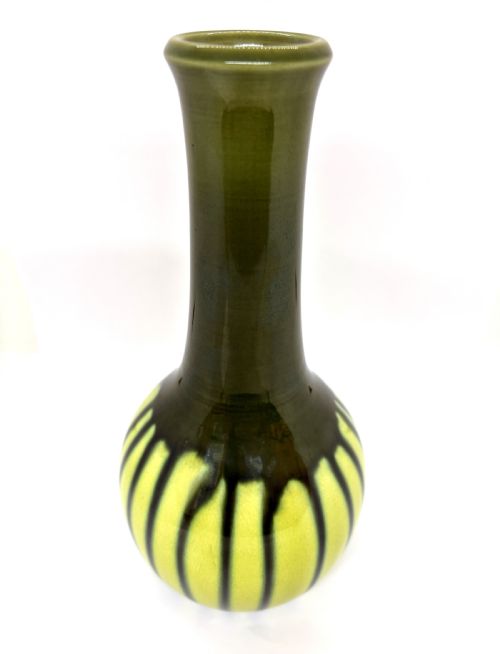
Green glazed terracotta brings rich, earth-toned ceramic warmth into a room, offering tactile pottery forms shaped by centuries of regional tradition.
Green Glazed Terracotta
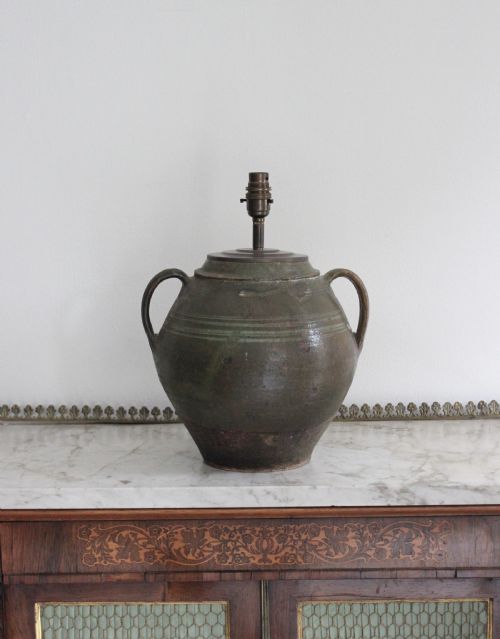
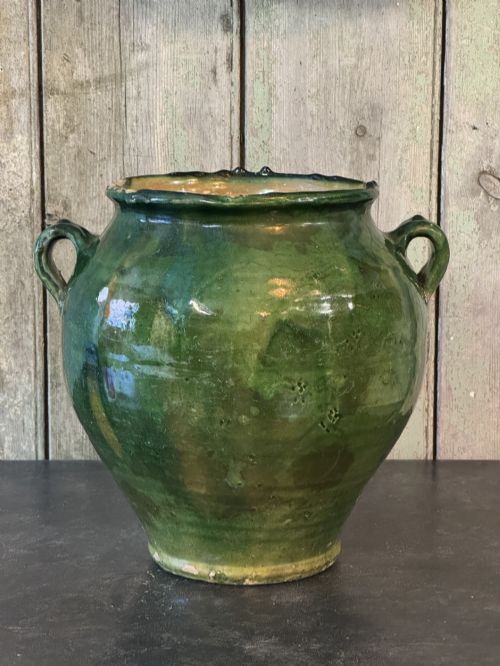
Green glazed terracotta pieces encompass everything from robust French confit pots and South of France tian bowls to decorative planters and vessels from various European and Asian traditions. Buyers seeking green glazed terracotta will find utilitarian storage jars, jardinières, and large bowls designed for functional utility or rustic display.
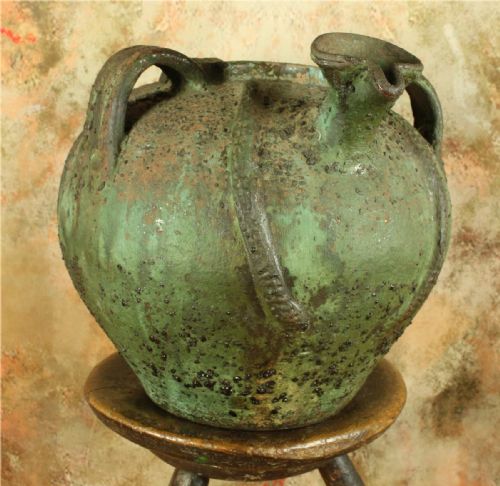
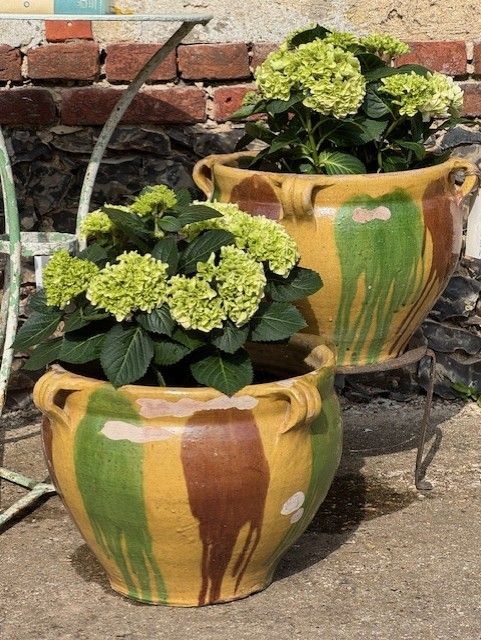
Confit pots and olive jugs dominate the continental offerings, frequently displaying the drips and pooling characteristics of lead glaze over porous earthenware bodies. These domestic vessels carry the marks of rural production centres where lead glaze provided a practical, waterproof seal for food storage.
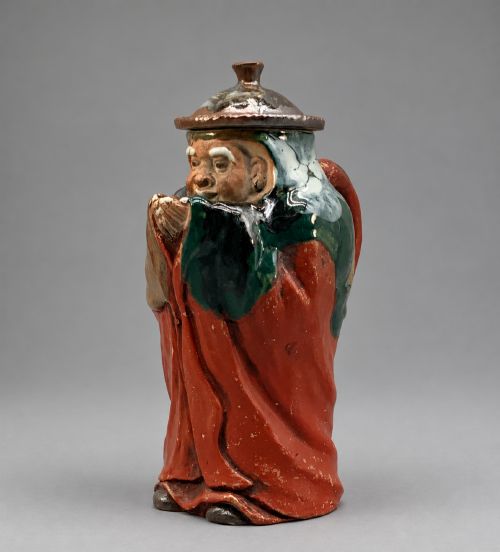
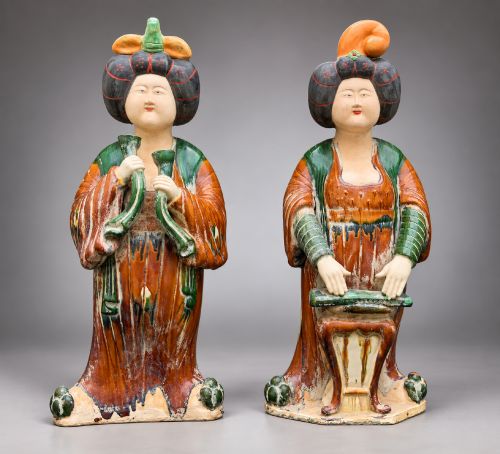
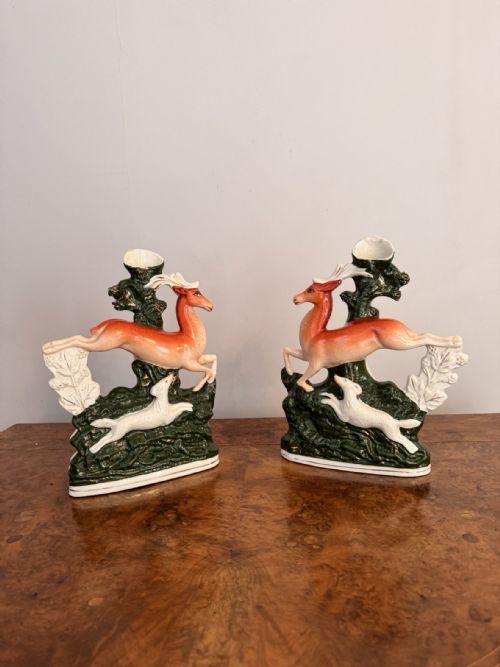
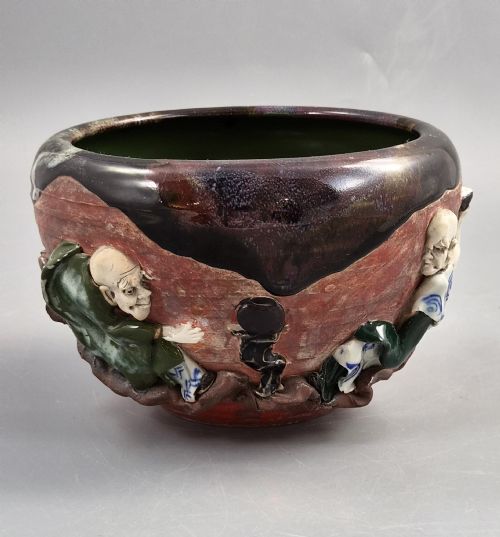
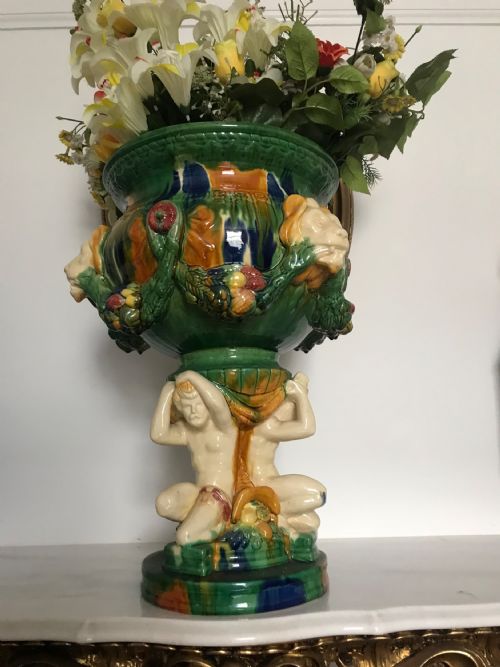
Other variations stretch from Victorian majolica-taste planters to Japanese Sumida Gawa bowls and Tang Dynasty style musician figures. While the broad category spans diverse origins, the defining characteristic remains the marriage of fired clay with rich green glaze.
Materials and production methods
Makers shaped local terracotta, earthenware, and ceramic bodies by hand or on the wheel before applying fluid lead glazes or majolica enamel coatings. The porous nature of the underlying clay required a vitreous surface layer to ensure liquid containment for utilitarian vessels like oil pots and water jars.
Firing took place in traditional kilns where fluctuating temperatures produced natural variations in the glaze, resulting in characteristic drip patterns and pooling pools of colour. Artisans occasionally added relief figures or applied handles before the final glaze application and high-heat fixation.
Green Glazed Terracotta Retail Price Guide 2026
Typical asking prices for green glazed terracotta among the pieces listed under this phrase on Sellingantiques today, from the lower quarter to the upper quarter. They describe what is for sale here now, not the wider market.
Some French confit pots feature three handles just to make hauling heavy quantities of preserved duck fat less of a wrestling match.
Factors of distinction
Quality rests upon the depth and character of the glaze, where even application contrasts with pooling runs and rich variations in tone. Superior examples display a confident harmony between the handmade terracotta form and the viscous surface coating.
The crispness of moulded relief decoration and the structural integrity of large forms, such as tian bowls and massive planters, separate standard utility wares from exhibition pieces. Provenance and regional authenticity further anchor the standing of individual pots.
Burmantoft's Pottery·Royal Dux·Inoue Ryōsai
The Green Glazed Terracotta Glossary
- Terracotta
- A porous, brownish-red fired clay used extensively for utilitarian and decorative pottery throughout Europe and Asia. It forms the structural body beneath the green glaze on these vessels.
- Confit pot
- A traditional French earthenware jar featuring handles, historically used for preserving meat or storing oil. These typically display a distinct green glaze on the upper half or full body.
- Lead glaze
- A shiny, transparent or tinted glassy coating applied to pottery before firing to waterproof the vessel. It creates the smooth, glossy green surfaces seen on historical earthenware.
- Majolica
- A type of pottery decorated with opaque coloured glazes over an earthenware body, often associated with vibrant Italian and Victorian revival styles. It yields rich surface decoration and deep colouration.
- Tian bowl
- A large, wide earthenware vessel originating from the South of France, used for domestic tasks such as washing or mixing. They provide substantial scale and deep green interior surfaces.
Green Glazed Terracotta: Frequently Asked Questions
How were green glazed terracotta pots used?
These vessels served primarily practical roles in agricultural and domestic life, ranging from storing oil and preserving food to holding water and mixing ingredients.
Larger basins and tian bowls managed heavy household tasks, while jars kept provisions secure in French and Mediterranean country kitchens.
Are these pots waterproof?
The lead glaze or ceramic coating applied to the interior generally provided a functional seal for containing liquids and damp goods.
However, centuries of use can render porous terracotta sensitive to prolonged moisture, so modern placement often requires protective saucers.
How do I style a large terracotta bowl?
Large bowls and confit jars make striking floor or table centrepieces when left empty to showcase their weathered glazes and handmade contours.
Their substantial scale works well in rustic or minimalist interiors where the organic shape can stand as a focal point.
How can I tell older pots apart?
Age reveals itself through the weight of the terracotta, the thickness of the walls, and the chemical pooling patterns within the lead glaze.
Hand-thrown irregularities and tool marks provide clues to regional workshops and earlier production periods before industrial standardisation.