


Green Glazed Pottery Ornament
Green glazed pottery ornament describes sculptural earthenware, porcelain, and ceramic figures shaped as animals, buildings, and people, prized for rich colour and historic character.
Green Glazed Pottery Ornament
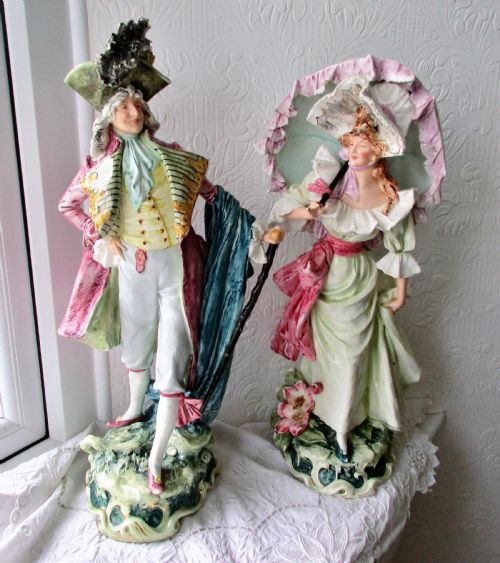
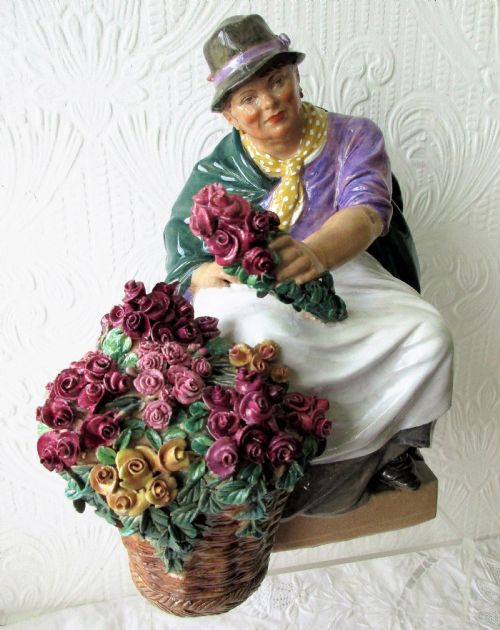
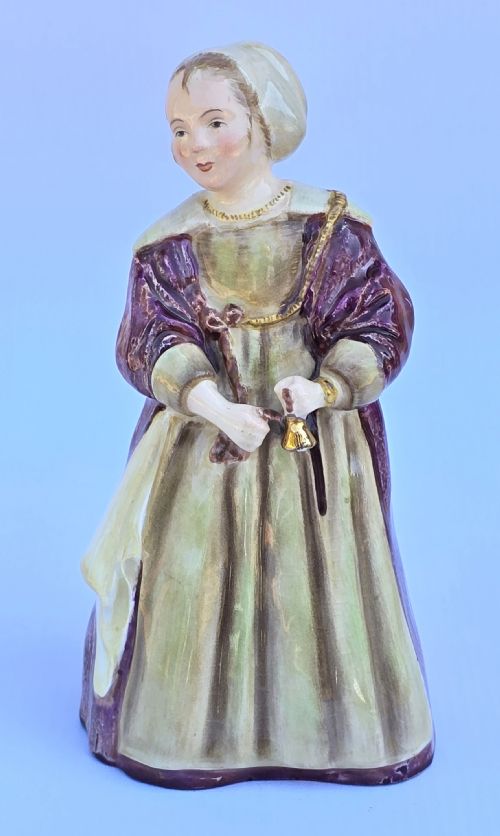
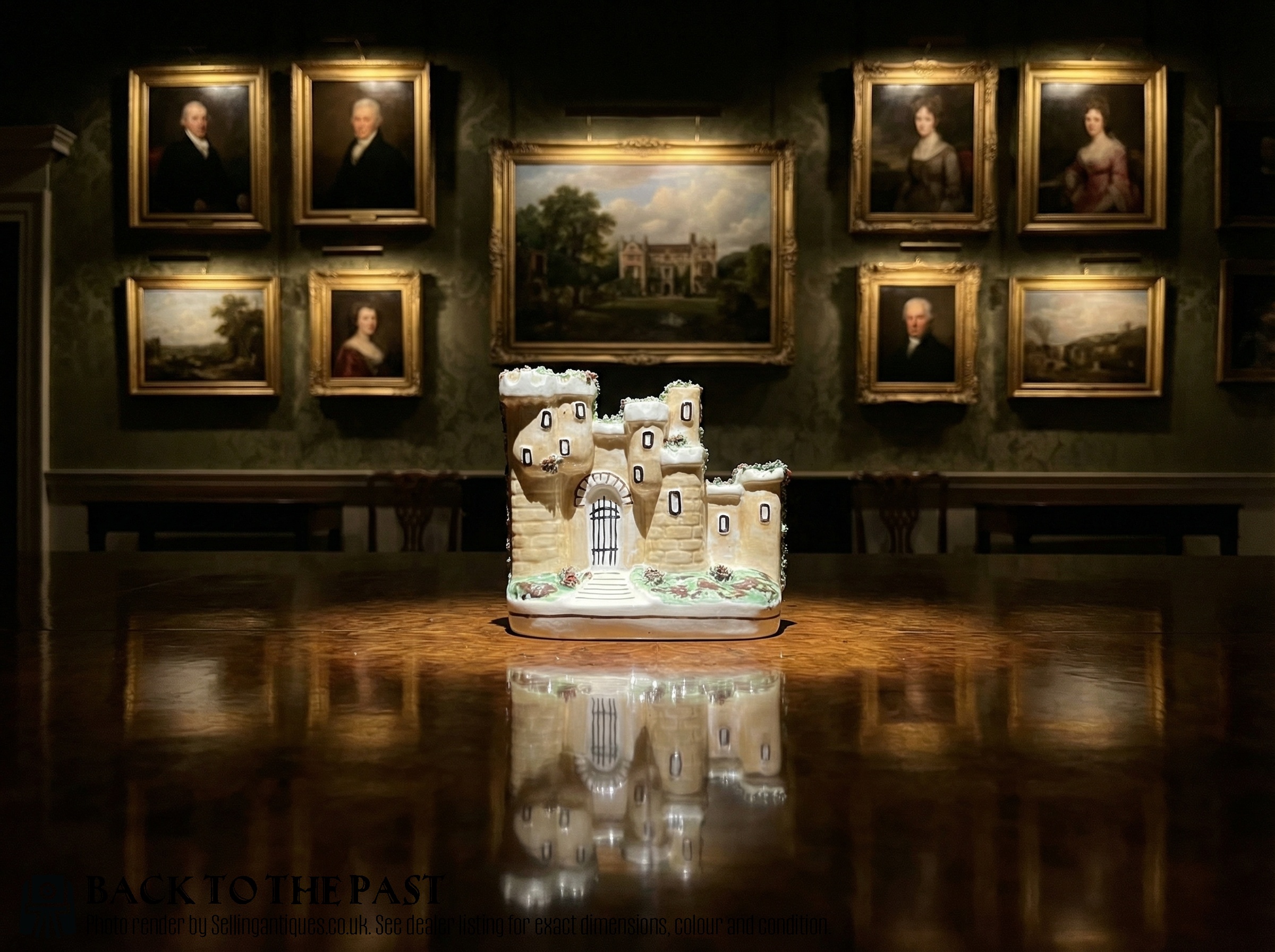
A green glazed pottery ornament takes many sculptural forms, spanning nineteenth century Staffordshire figures, spill vases, and cottages alongside continental figures and Asian ceramics. Buyers searching for a green glazed pottery ornament encounter domestic animal pairs, human figures, architectural models, and decorative vessels from various periods.
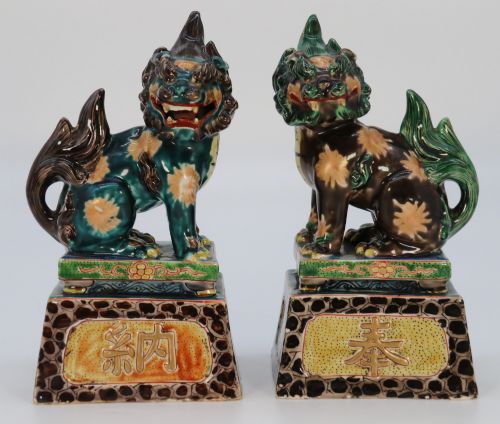
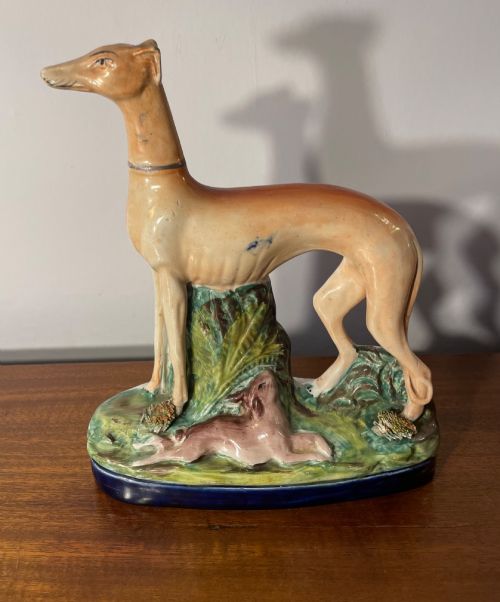
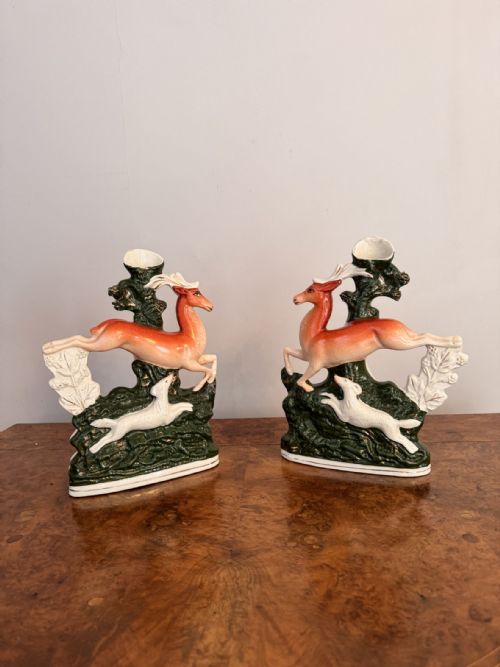
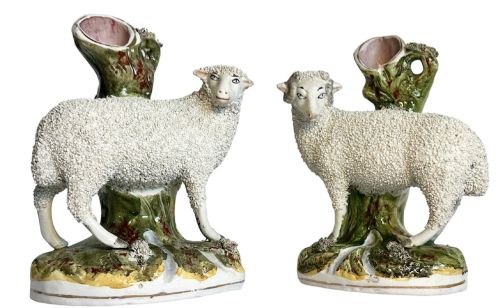
Staffordshire earthenware dominates the selections, offering sheep, deer, parrots, and cottages finished with rich lead glazes. Other examples include French faience figures, Art Deco animals, and Chinese porcelain ducks and dogs finished in sancai glazes.
How They Were Made
Potters shaped these pieces using earthenware, porcelain, and ceramic bodies, often applying lead glazes, enamel, or sancai glazes to achieve vibrant surfaces. Many items combine moulded clay bodies with hand-applied details before firing in traditional kilns.
Makers utilised wood supports for certain displays and glass eyes for specific Art Deco animal figures to enhance realism. The interaction between the clay body and the fluid glaze creates the characteristic pooled colours seen across these ornaments.
Listings feature ceramics spanning the eighteenth century, Regency period, Victorian era, and nineteen twenties, utilising earthenware, porcelain, and lead glaze.
What Varies in Quality
Quality rests upon the crispness of the moulding and the depth of the glaze application across the ceramic surface. Superior pieces exhibit confident modelling in figures like animals and human subjects, alongside rich, even colouration without pooling defects.
The sophistication of the painting and the preservation of the original enamel or glaze determine the distinction between standard production items and exceptional works. Master potters achieved greater detail in facial expressions, plumage, and architectural facets.
Charles Vyse·Ralph Wood·Wedgwood and Co Ltd·Shelley·Royal Dux
The Green Glazed Pottery Ornament Glossary
- Spill vase
- A hollow ceramic holder designed to store taper spills used for lighting candles and fires. These objects often feature animal figures or architectural motifs flanking the central tube.
- Sancai glaze
- A traditional three-colour low-firing glaze technique originating in China, frequently seen in green, amber, and cream tones on pottery figures. This finish produces rich surface pooling and tonal variation.
- Pearlware
- A refined type of earthenware developed in the eighteenth century featuring a thin glaze over a slightly bluish body to imitate porcelain. It provides a smooth surface for enamel painting.
- Faience
- Tin-glazed earthenware produced in France and other European regions, noted for bright painted decoration over an opaque white or tinted glaze. It allows for intricate pictorial and figural designs.
- Flat back
- A method of moulding ceramic figures where the rear is unglazed and flattened, designed to sit flush against a mantelpiece wall. This style is particularly common in nineteenth-century Staffordshire production.
Green Glazed Pottery Ornament: Frequently Asked Questions
What is a green glazed pottery ornament?
A green glazed pottery ornament is a ceramic, earthenware, or porcelain decorative object finished with a green lead, sancai, or tin glaze. These items range from nineteenth-century Staffordshire animal figures and cottages to Art Deco pieces and Chinese porcelain.
They were typically modelled to portray human subjects, animals, or architectural forms, serving as decorative mantelpiece items or functional vessels such as spill vases.
How were Staffordshire figures displayed?
Staffordshire figures and flat back ornaments were typically placed on mantelpieces, side tables, and shelves within Victorian homes. Their flat backs allowed them to sit securely against walls.
Pairs of animals, such as sheep, deer, or dogs, were arranged symmetrically to decorate domestic interiors during the nineteenth century.
What is a sancai glaze?
A sancai glaze is a traditional three-colour ceramic finish featuring combinations of green, amber, and cream tones. It creates a glossy, pooled effect on pottery figures and vessels.
This technique appears on various Asian ceramic ornaments, including ducks and guardian figures inspired by earlier dynasty styles.
How do I identify Art Deco ceramics?
Art Deco ceramics feature stylized geometric forms, streamlined animal subjects, and distinct colour palettes often produced around the nineteen twenties and thirties. Pieces such as glazed cats and pheasants exhibit modernistic styling.
Makers incorporated smooth glazes and occasional details like glass eyes to capture the aesthetic of the period.