

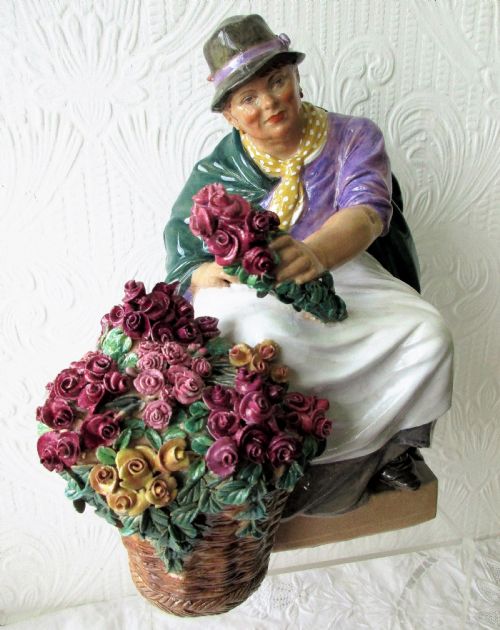


Green Glazed Figurine
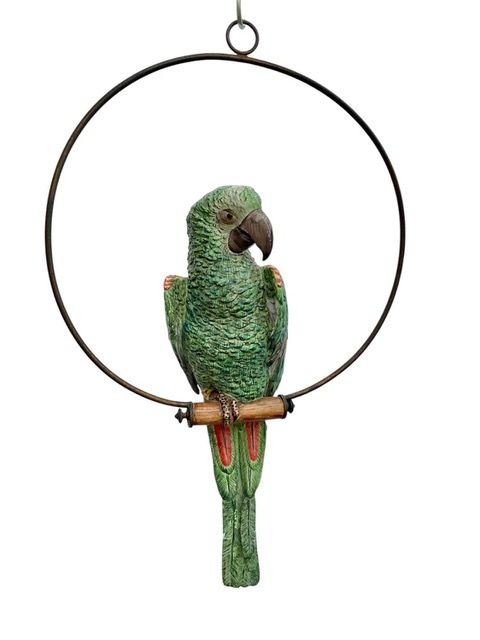
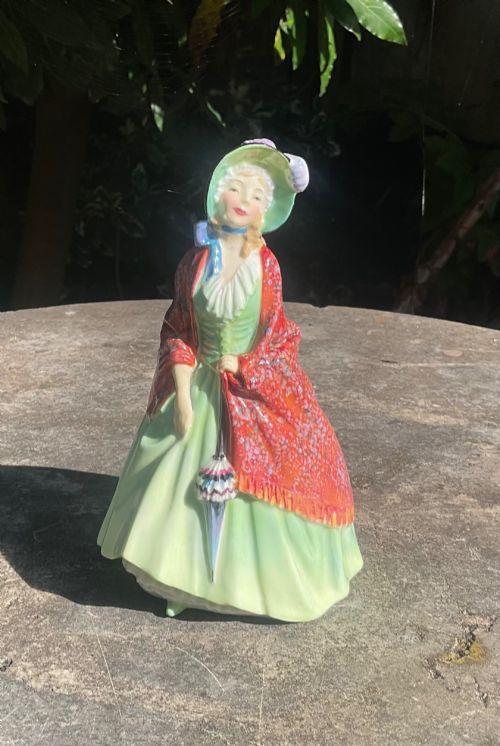
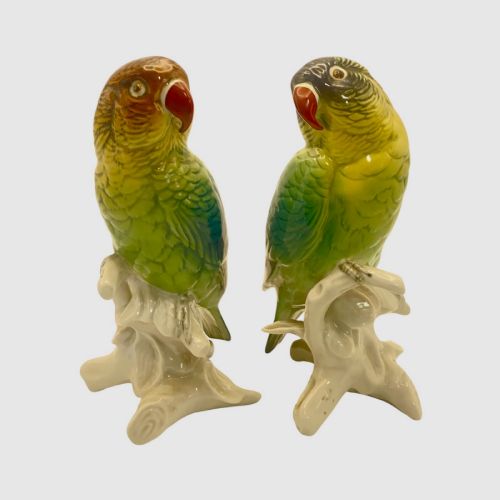
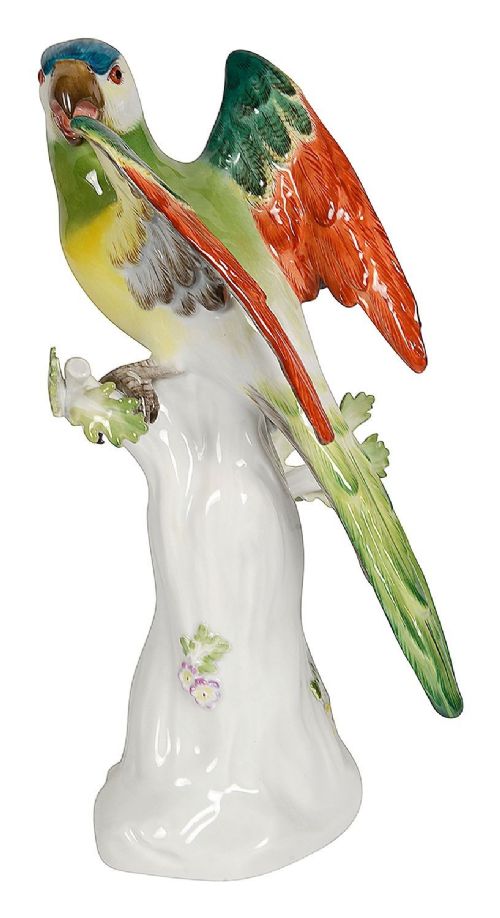
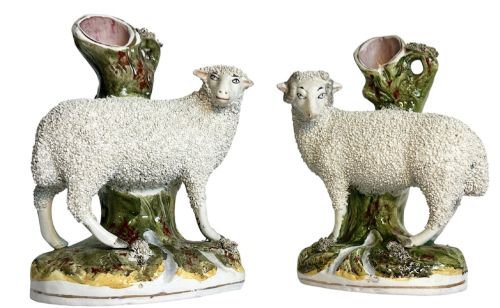
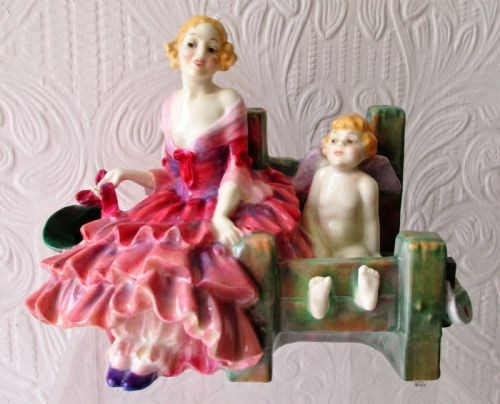
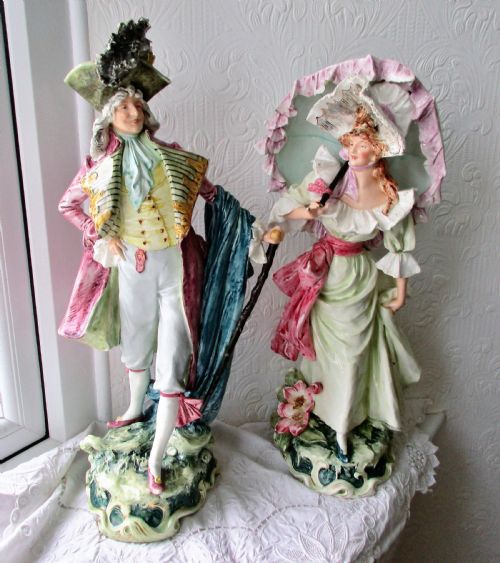
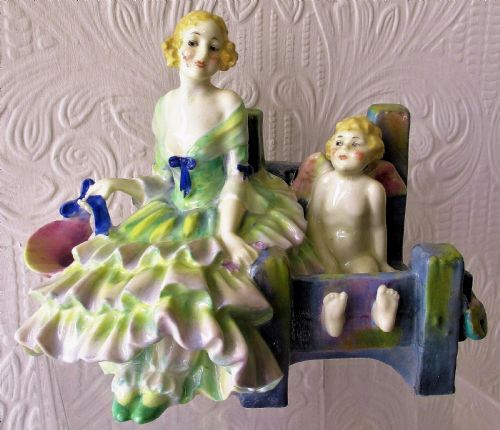
These green glazed figurine examples bring vibrant colour and character to a room, ranging from Staffordshire animals to Art Deco figures.
Green Glazed Figurine
A green glazed figurine search brings together modelled figures and animals coated in lead glaze, tin glaze, or sancai finishes, spanning centuries of ceramic production. You will frequently encounter Victorian Staffordshire sheep, Art Deco ladies, and Chinese porcelain birds rather than a single unified category.
The objects take many forms, including spill vases, incense holders, powder boxes, and standalone sculptures of humans, deities, and wildlife. Staffordshire pairs and German porcelain groups appear alongside French faience and Chinese figures modelled in historical styles.
Makers and potteries ranging from Royal Dux to Charles Vyse and Karl Ens contribute to this selection, utilising porcelain, earthenware, and pearlware as their base materials. The unifying element is the distinctive green glaze, whether applied as a deep monochrome or combined with polychrome enamels.
Materials and production methods
Potters shaped these pieces from porcelain, earthenware, or pearlware, often utilising press moulds for Staffordshire pottery and detailed hand-modelling for finer European figures. Earthenware bodies required a protective glaze to seal the porous clay underneath.
Glazes were applied by dipping or brushing before firing, producing glossy lead surfaces, tin opacified coatings, or low-fired sancai washes that pooled in the recesses of the modelling. Enamels were sometimes added over the glaze for facial details and garments.
Firing temperatures determined the vitrification of the clay body and the depth of the finish, resulting in smooth porcelain surfaces or crazed earthenware textures depending on the period.
Green Glazed Figurine Retail Price Guide 2026
Typical asking prices for green glazed figurine among the pieces listed under this phrase on Sellingantiques today, from the lower quarter to the upper quarter. They describe what is for sale here now, not the wider market.
The listings span from ancient Egyptian faience to Art Deco porcelain, encompassing earthenware, pearlware, and stoneware bodies.
Judging quality in modelled ceramics
The application and retention of the green glaze reveal the maker's technical skill, with higher quality examples showing an even flow without excessive pooling or dry patches. Clean casting seams and careful hand-painting separate standard commercial output from masterworks.
Karl Ens·Royal Doulton·Meissen·Charles Vyse·Royal Dux·Wedgwood and Co Ltd·Shelley·Fasold and Stauch·Royal Worcester·Alois Hampel·Le Manceau
The Green Glazed Figurine Glossary
- Pearlware
- A refined earthenware developed in the late eighteenth century featuring a pale body and a thin bluish glaze that pooled slightly green in crevices.
- Spill vase
- A hollow cylindrical holder attached to a figure, designed to hold wooden spills for lighting candles or fires.
- Sancai
- A tripartite lead glaze technique traditionally utilising green, amber, and cream tones, seen on Chinese pottery and revival pieces.
- Faience
- European tin glazed earthenware, originating in France and other regions, known for its opaque white or tinted ground beneath painted details.
- Pin cushion doll
- A half-figure modelled from porcelain or ceramic, popular during the early twentieth century as the decorative top for a sewing cushion.
Green Glazed Figurine: Frequently Asked Questions
How do I clean a ceramic figure?
Dust the surface gently with a soft dry brush to remove particles without disturbing old glazes. Avoid submerging porous earthenware bodies in water.
Keep pieces away from direct sunlight and damp environments to protect fragile enamels and crazed glaze surfaces over time.
Are these figures fragile?
Porcelain and earthenware are inherently brittle materials that require stable placement on level surfaces away from heavy traffic areas. Glazed extremities and delicate modelled details are particularly vulnerable to knocks.
Handle pieces with both hands supporting the base and the body rather than lifting by protruding limbs or accessories.
What is a spill vase?
A spill vase is a hollow vessel incorporated into the design of a ceramic figure or animal group, intended to hold thin wooden spills. These spills were used to transfer flames from a fireplace to candles or lamps.
Victorian Staffordshire potters frequently combined animal figures with these functional tubes for domestic hearths.
How do I identify the period?
Examine the base material, glaze characteristics, and any impressed or painted factory marks to establish a baseline for dating. Stylistic cues such as Art Deco geometric lines or Victorian modelling conventions provide further context.
Compare the casting technique and wear patterns against documented examples from specific potteries and eras.