




Vintage Green Pottery Ornament
These vintage green pottery ornament examples range from playful Art Deco cats to Staffordshire cottages, bringing character and colour to any room.
Vintage Green Pottery Ornament
A vintage green pottery ornament brings together decorative figurines, porcelain statues, and architectural roof ornaments spanning the Victorian era through the mid-twentieth century. Buyers searching this phrase encounter diverse forms, including whimsical cats, musical bands, cottages, and human figures.
The selection on this page draws heavily from early twentieth century production, with strong representations of Art Deco styling and Victorian Staffordshire figures. Pieces originate from English, French, and Japanese workshops, each showing distinct regional approaches to ceramic modelling.
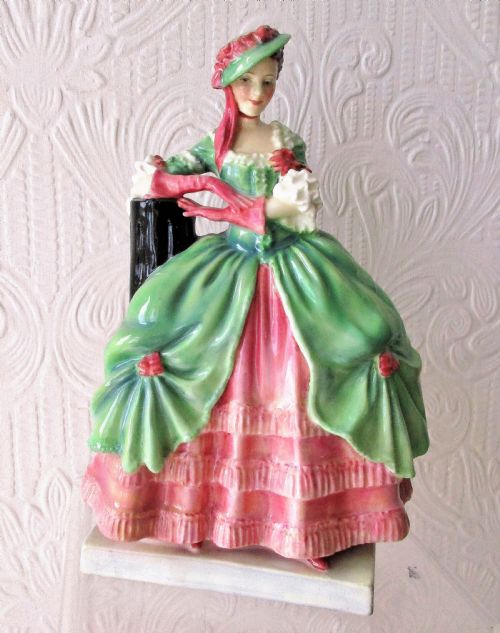
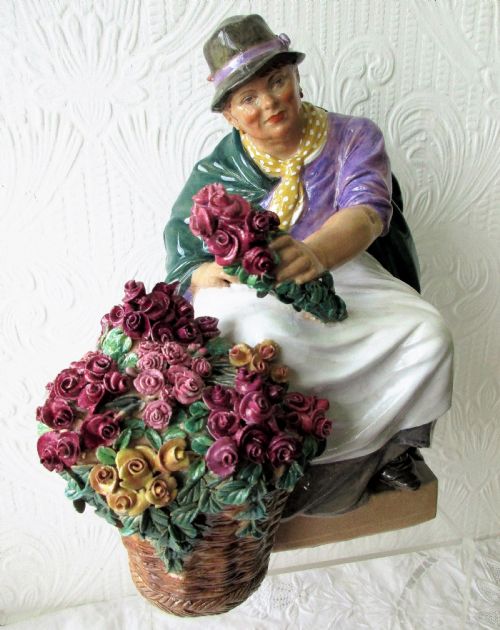
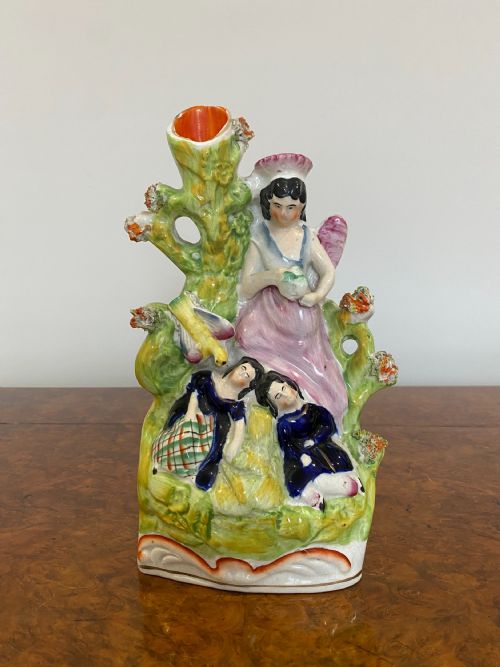
Figurines and decorative sculptures dominate the available forms, ranging from single animal studies to paired architectural roof tiles. These items serve primarily as display pieces for mantelpieces, cabinets, and interior shelving.
How they were made
Makers utilised earthenware, porcelain, and bone china as the primary base materials for these figures, shaping them through traditional moulding and hand-modelling techniques. Glaze application is central to the finished appearance, creating smooth surfaces or textured colour effects across the ceramic body.
Vintage Green Pottery Ornament Retail Price Guide 2026
Typical asking prices for vintage green pottery ornament among the pieces listed under this phrase on Sellingantiques today, from the lower quarter to the upper quarter. They describe what is for sale here now, not the wider market.
One French ceramic cat keeps watch with added glass eyes.
What varies in quality
Quality in these ceramics depends on the crispness of the mould and the precision of the hand-painted or glazed details. Pieces produced by established potteries and named artists typically display superior anatomical definition and more controlled glaze distribution.
The sophistication of the design execution separates standard decorative production from finer studio and factory pieces. Subtlety in colouring and the preservation of original enamel work also influence the overall standing of an individual item.
Charles Vyse·Royal Doulton·Mabel Lucie Attwell Shelley·Le Manceau·Royal Dux
The Vintage Green Pottery Ornament Glossary
- Earthenware
- Porous pottery fired at lower temperatures, requiring a glaze to become waterproof. It forms the body of many traditional Staffordshire and studio figures.
- Bone china
- A type of porcelain containing animal bone ash, resulting in a strong, milky-white body that allows for delicate modelling. It appears frequently in twentieth-century English figurine production.
- Glaze
- A glassy coating fused to the ceramic surface through firing, providing colour, shine, and impermeability. The depth and tone of the glaze often define the character of an ornament.
- Flat back
- A style of ceramic figure moulded with a plain, unpainted reverse side designed to sit flush against a wall. This technique is typical of nineteenth-century Staffordshire cottage and figure production.
- Sancai
- A traditional multi-colour lead glaze associated with Chinese ceramic traditions, replicated in later revival pieces. It employs characteristic tones including amber, cream, and green.
Vintage Green Pottery Ornament: Frequently Asked Questions
What is a vintage green pottery ornament?
It is a decorative ceramic piece, such as a figurine, animal sculpture, or architectural element, finished in green glazes and dating from the nineteenth or twentieth century.
These items were produced primarily for display in domestic interiors or as architectural roof ornaments.
How do I identify Art Deco ceramics?
Art Deco ceramics often feature stylised geometric forms, streamlined animal shapes, and distinct twentieth-century moulding techniques.
Artists from this period favoured simplified contours and bold colour palettes, as seen in French cat figures and pheasants.
What are Staffordshire flat back figures?
Staffordshire flat back figures are nineteenth-century ceramic pieces moulded with a finished front and a flat, unpainted reverse. They were designed to sit on mantelpieces where only the front view was visible.
Common subjects include cottages, castles, and historical or everyday figures.
How should I clean glazed pottery?
Dust glazed ceramics gently with a soft, dry cloth to prevent accumulation of dirt in recessed areas. Avoid harsh chemical cleaners or soaking pieces with exposed enamel or painted details.
Proper care preserves the original glaze sheen and delicate surface colours over time.