


Green Glazed Ceramic Dish
A green glazed ceramic dish brings vibrant colour and tactile depth to a room, ranging from historic earthenware to decorative tableware.
Green Glazed Ceramic Dish
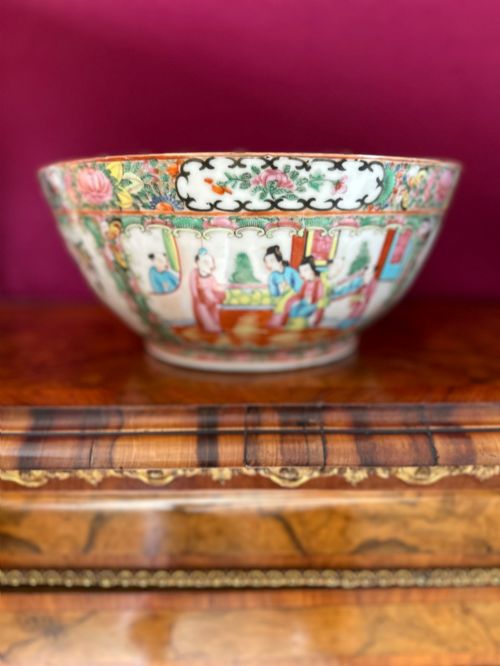
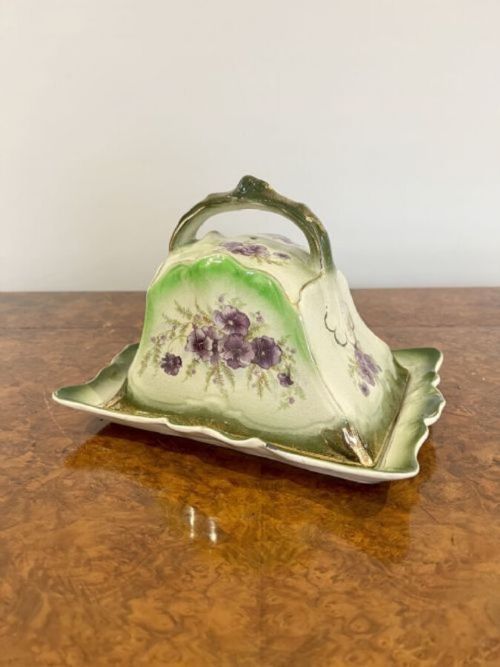
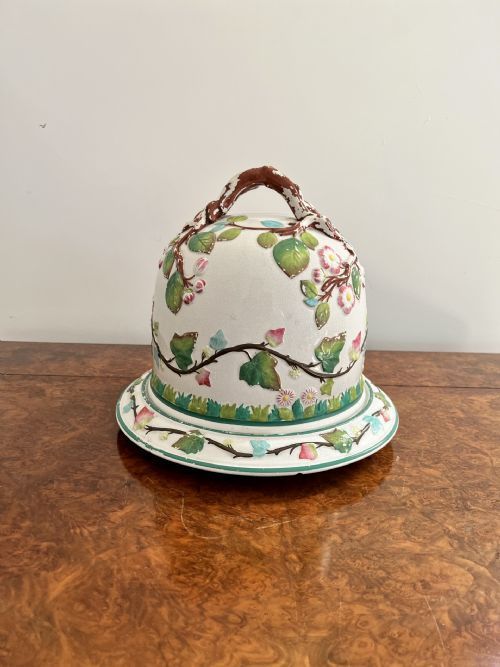
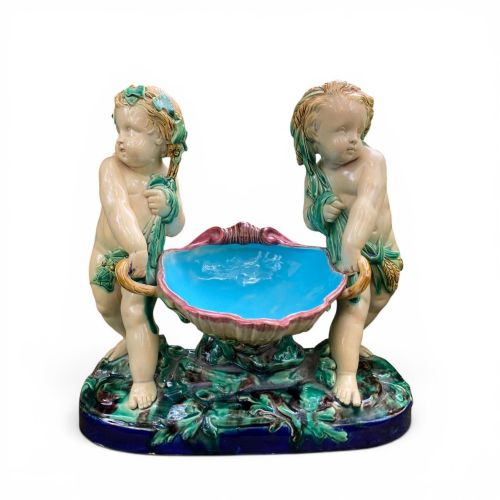
A green glazed ceramic dish encompasses a broad variety of historic vessels, from nineteenth century majolica compotes and cheese domes to earlier celadon bowls. These pieces emerge in styles spanning Victorian naturalism, Art Nouveau, and Art Deco, reflecting shifting tastes in domestic display.
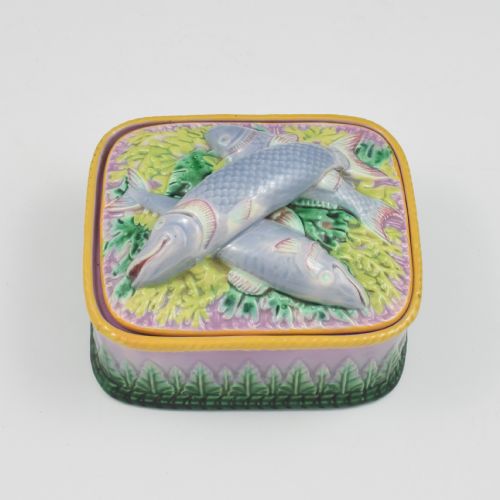
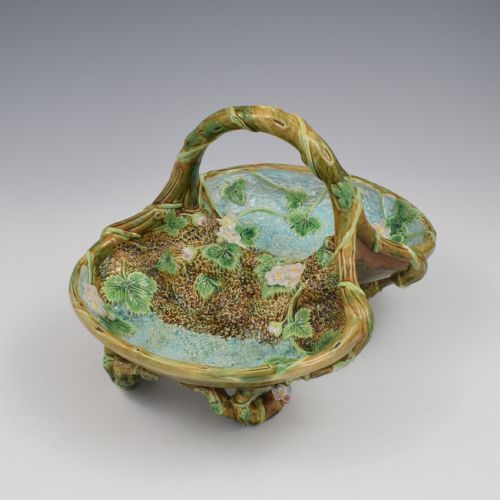
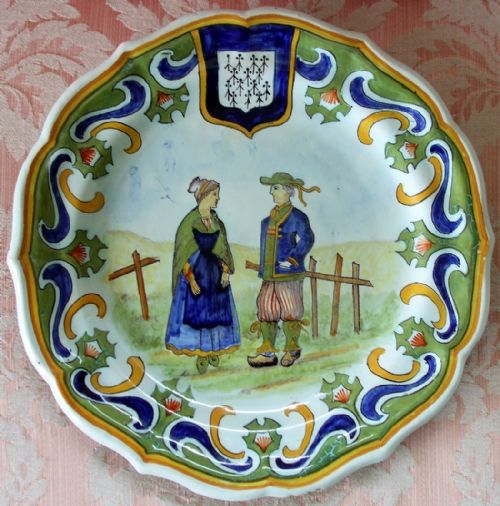
The most common examples encountered on this page belong to the Victorian era, notably majolica comports, baskets, and sardine boxes modelled on leaves and natural forms. Alongside these, buyers find continental faience, English earthenware, and Asian ceramics finished in distinctive green or celadon glazes.
Forms vary significantly, including decorative chargers, cheese dishes, footed bowls, and lidded boxes intended for both service and display. Each piece demonstrates how makers utilised green glazes to accentuate moulded botanical or geometric reliefs.
Methods and materials
Potters shaped these wares from earthenware, porcelain, and high fired ceramic bodies, utilising moulding and throwing techniques to achieve detailed sculptural forms. Earthenware bodies provided a porous base suitable for absorbing coloured lead glazes and enamel decorations.
Glazing involved applying liquid mineral mixtures containing metallic oxides, which fused during firing to produce characteristic green, celadon, or lustre surfaces. Techniques ranged from simple dipping to complex multi-layered applications that highlighted moulded scrollwork and foliate details.
Listings feature periods ranging from the pre-sixteenth century to the twentieth century, with a strong presence of Victorian and Edwardian items.
Judging quality
Quality rests in the crispness of the moulding and the depth of the glaze, where superior pieces retain sharp relief details without pooling or blurring the surface colours. Maker attribution and historical significance further separate standard production items from exceptional works.
The preservation of the glaze surface and the integrity of the ceramic body determine the desirability of each piece. Finer examples show careful control during the firing process, resulting in an even, luminous finish across complex decorative forms.
George Jones·Minton·Wedgwood·Eichwald·Royal Dux
The Green Glazed Ceramic Dish Glossary
- Majolica
- A type of earthenware characterised by colourful lead glazes applied over an opaque white tin-glaze or directly to a buff body, popular during the Victorian period for naturalistic tablewares.
- Celadon
- A term for ceramics featuring a pale green jade-like glaze, originating in East Asia and prized for its subtle tone and crackle effect.
- Faience
- European tin-glazed earthenware, often associated with French and continental workshops producing decorative plates and dishes.
- Charger
- A large ornamental plate used traditionally for ceremonial display or service on grand dining tables.
- Comport
- A raised dish or bowl on a footed stand, designed for serving fruit or sweets as a table centrepiece.
Green Glazed Ceramic Dish: Frequently Asked Questions
How do I clean an antique green glazed dish?
Wash antique ceramics gently by hand using lukewarm water and mild soap, avoiding harsh scrubbing or soaking.
Dry thoroughly with a soft cloth to protect fragile glazes and historic earthenware bodies from moisture damage.
Can I use these dishes for serving food?
Many nineteenth century majolica and earthenware pieces contain lead in their glazes, making them unsuitable for modern food service.
It is safest to treat these historic items as decorative objects rather than functional tableware.
What is the difference between celadon and green majolica?
Celadon refers to Asian and European wares finished with a translucent green iron-oxide glaze that mimics jade, focusing on subtle tones.
Green majolica relies on opaque, vibrant lead-based colourants over heavy Victorian relief moulding.