



Silver Plated Spirit Burner
A silver plated spirit burner brings tabletop hospitality to life, heating water and keeping dishes warm with genuine period charm.
Silver Plated Spirit Burner
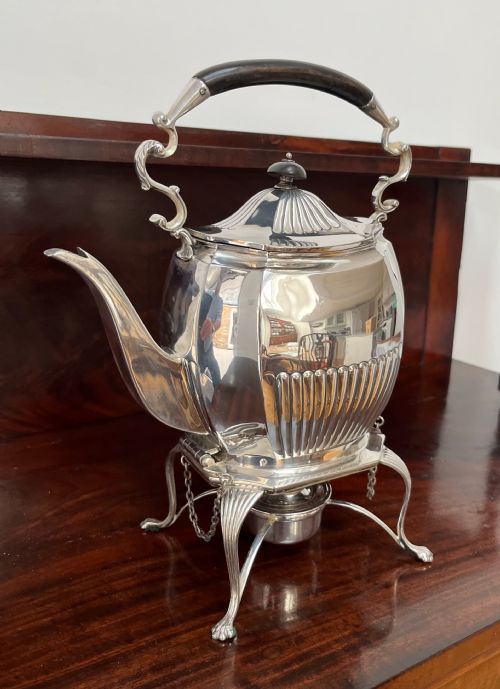
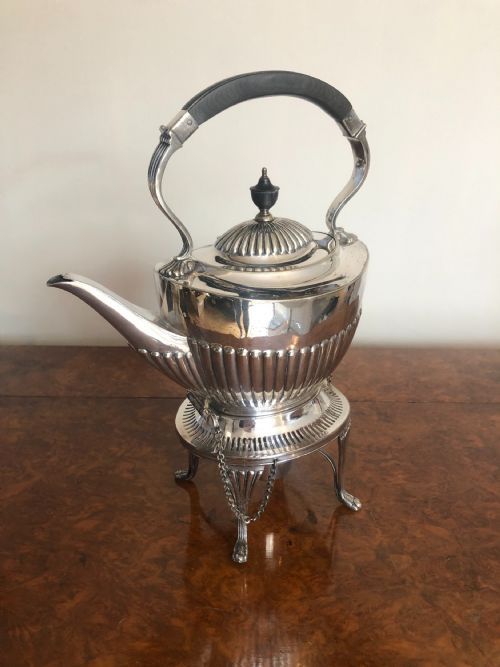
A silver plated spirit burner appears most often as part of a kettle on a stand, food warmer, or entree dish designed to keep tea and meals hot at the table. These items span periods from the Georgian era through to the 1930s, with Edwardian examples appearing frequently alongside Victorian and Georgian Revival pieces.
The objects combine stands, frames, and burners in silver plate, electroplated nickel silver, and metal, sometimes paired with ceramic inserts, bone, ebony, or wood handles. They serve as functional table accessories intended for domestic hospitality and formal dining.
How they were made
Maker techniques rely upon electroplated nickel silver and silver plate over base metals, shaping stands and vessels through casting, spinning, and soldering. Handles and insulators incorporate materials like ebony, bone, and wood to manage heat during use.
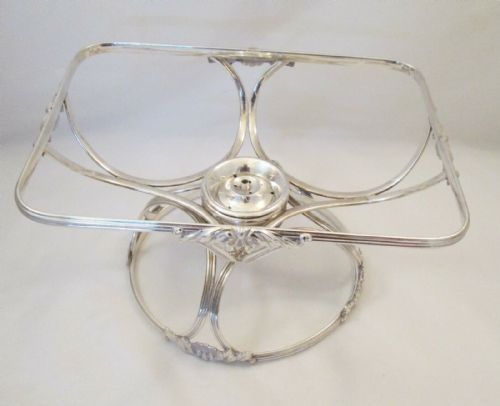
Burners are engineered to house a small fuel reservoir and wick beneath the stand, often featuring adjustable caps to regulate the flame beneath kettles, tea urns, and chafing heat dishes.
Listings feature items spanning the Georgian, Victorian, Edwardian, and 1930s periods, utilising silver plate, EPNS, ceramic, and ebony.
What varies in quality
Quality rests in the weight of the metal, the crispness of cast decorative details on the stands, and the integrity of the original silver plating. Pieces bearing maker marks from established firms display superior finishing and balanced proportions.
The presence of matching original components, such as the burner assembly belonging to the kettle stand and intact insulating handles in bone or ebony, distinguishes finer examples from assembled or heavily restored sets.
Mappin and Webb·Risler and Carré Paris·Fenton Brothers·Frederik Ellis Tim and Co
The Silver Plated Spirit Burner Glossary
- Spirit Burner
- A small lamp holding liquid fuel and a wick, designed to sit beneath a stand and heat water or food. It provides a portable and adjustable flame for table service.
- Electroplated Nickel Silver
- A base metal alloy of copper, nickel, and zinc coated with a layer of silver through an electrolytic process. It became a standard method for producing durable silver plated wares in the nineteenth century.
- Entree Dish
- A shallow covered vessel used for serving principal courses at the dining table. When paired with a stand and burner, it functions as a food warmer.
- Tea Urn
- A large vessel fitted with a tap and sometimes a spirit burner, used for dispensing hot water or tea during large gatherings.
- Dish Ring
- A decorative stand, often spool-shaped and pierced, placed on the dining table to support a hot dish or bowl.
Silver Plated Spirit Burner: Frequently Asked Questions
How do you use a spirit burner?
Fill the reservoir with a suitable liquid fuel, such as methylated spirits, and light the wick once the burner is securely placed in its stand.
Adjust the flame using the snuffer cap to maintain a gentle heat beneath the kettle or chafing dish.
What fuels were used originally?
Historical burners relied on methylated spirits or alcohol to produce a clean, smokeless flame suitable for indoor dining environments.
Modern users select similar liquid fuels designed for tabletop spirit burners.
How do you clean silver plate?
Wash the pieces gently in warm soapy water using a soft cloth, avoiding harsh abrasives that can wear away the thin silver layer.
Dry thoroughly and polish occasionally with a dedicated silver cloth to maintain the shine.