
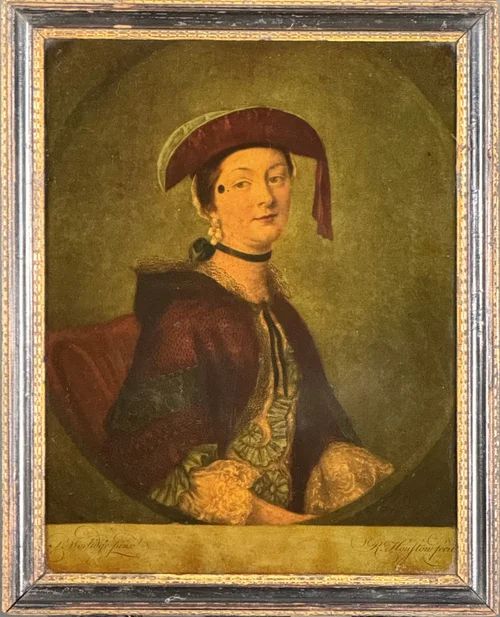
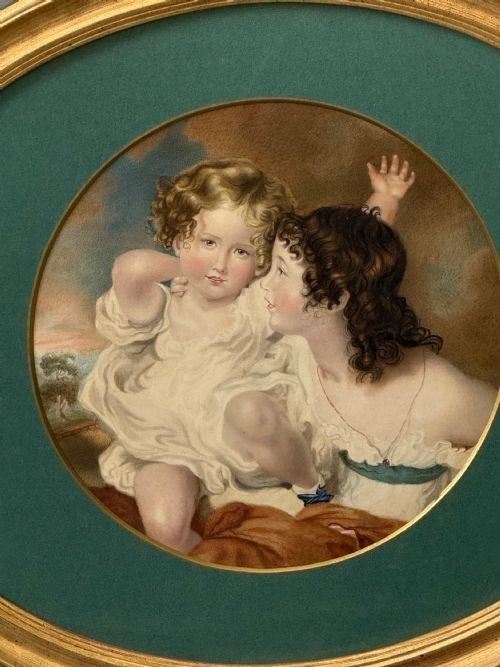
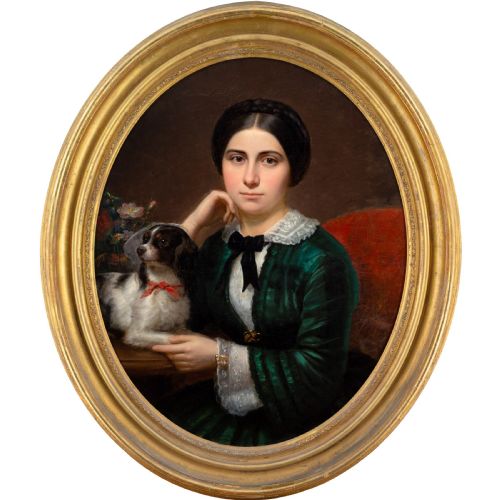
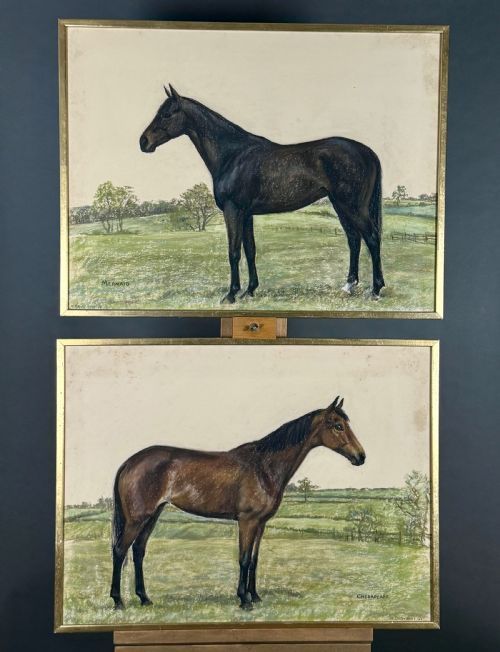
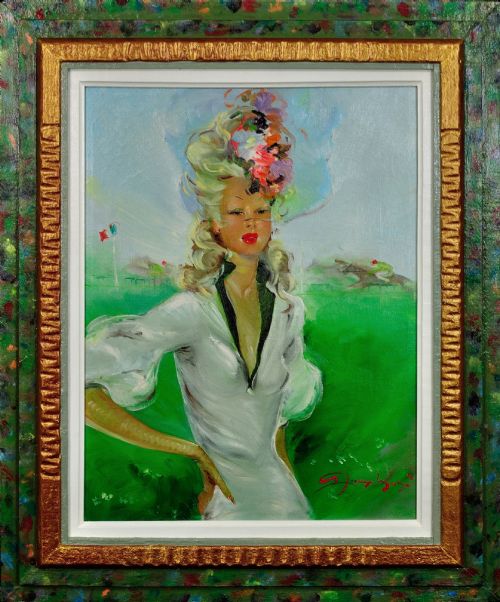
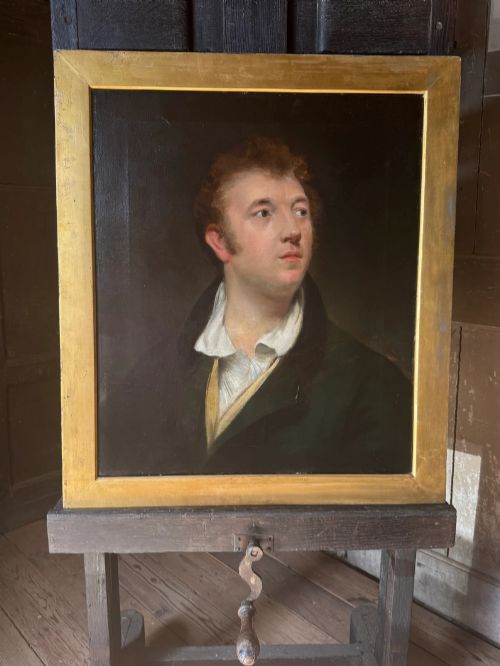
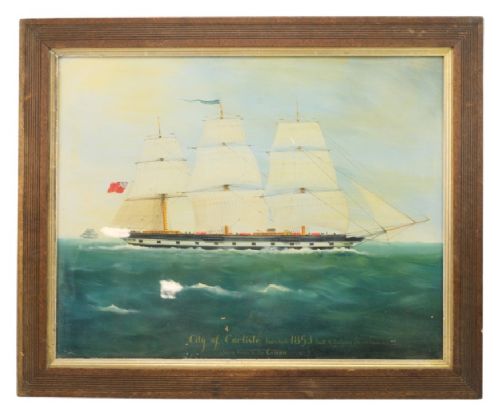
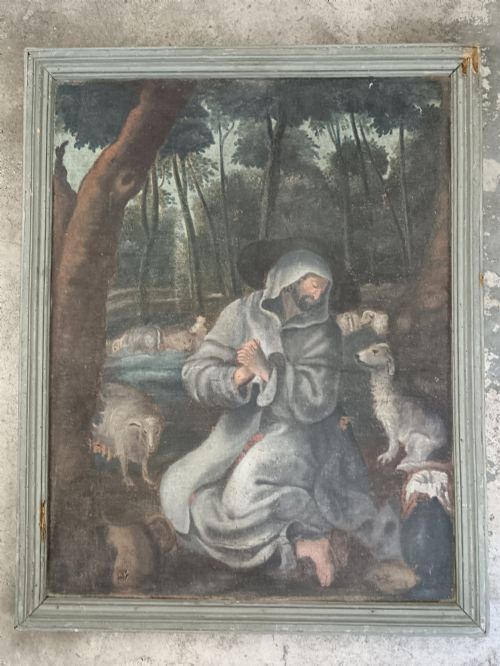
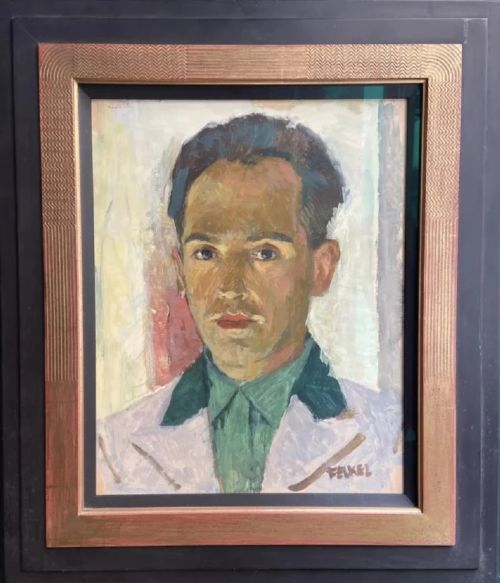
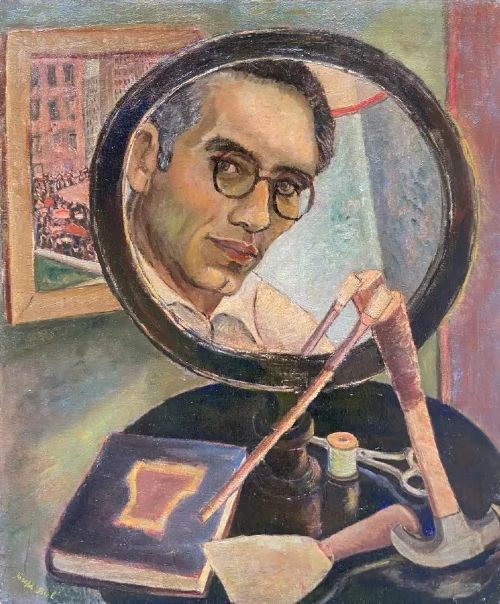
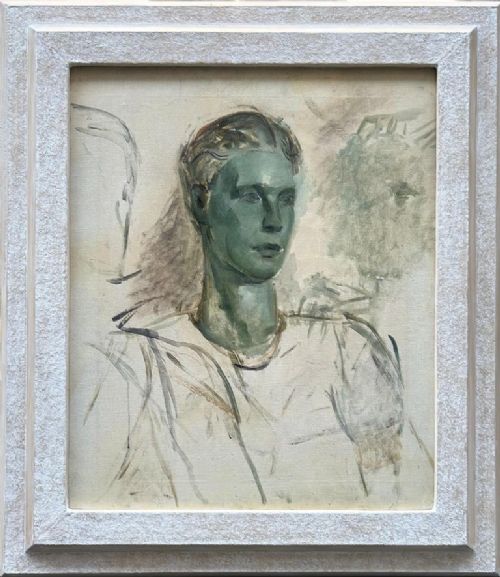
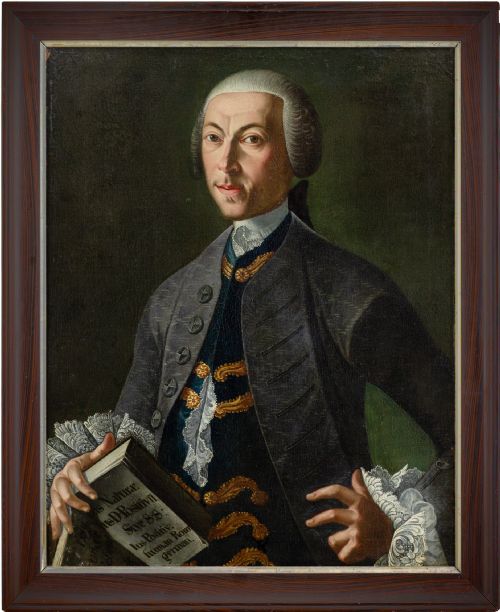
Green Framed Portrait Painting
A green framed portrait painting brings depth and historical character to a wall through the combination of painted sitter and painted border.
Green Framed Portrait Painting
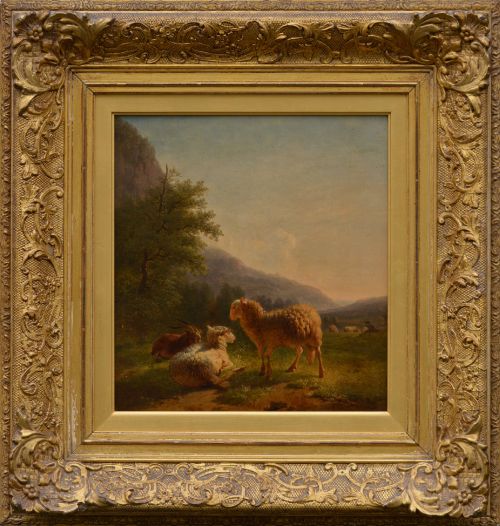
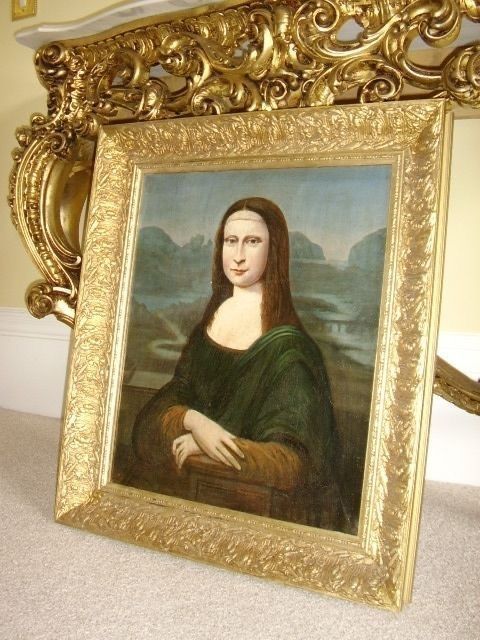
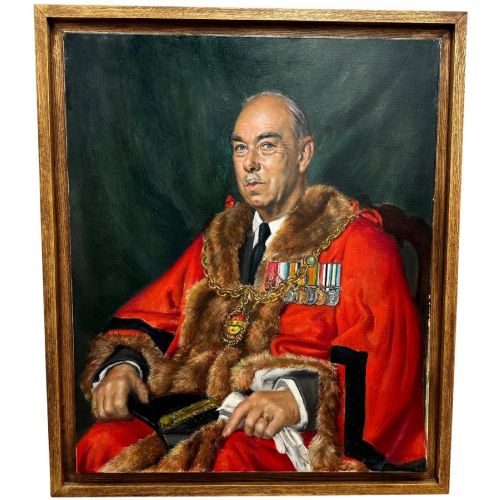
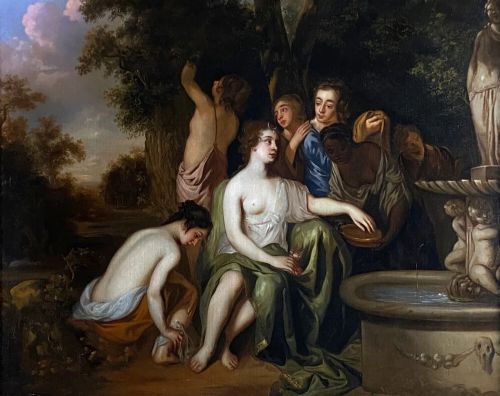
A green framed portrait painting combines figurative artwork with a distinctively coloured surround, drawing the eye directly to the subject within. These pieces emerge from periods spanning the seventeenth century through to the mid-twentieth century, encompassing both oil on canvas and watercolour formats.
The selections on this page feature regional schools from British, French, Italian, and German origins. Subjects range from formally posed society figures and self-portraits to domestic animals and historical figures.
Buyers will encounter works executed in styles extending from Baroque and Regency to Victorian and early twentieth-century modernism. Each piece integrates the picture plane with its protective wooden or gilt housing.
Materials and construction
Makers constructed these works using oil paint applied to canvas or wood panels, alongside watercolours on paper and reverse-painted glass techniques. Support structures rely on traditional timber stretchers and fitted boards.
Frames utilise carved wood and moulded giltwood, often finished with pigments that create the characteristic green outer edge. Protective glass covers delicate paper works, while oil surfaces remain unglazed.
Several portraits feature animals peering out alongside their owners, proving that historical sitters loved bringing their pets to work.
Evaluating the standard of works
The level of detail in the facial expression and the handling of light across the subject determine the visual success of the portrait. Master painters captured psychological depth and subtle tonal shifts in skin and fabric.
The relationship between the artwork and its surrounding frame affects overall cohesion. Superior examples display harmonious proportions where the coloured frame complements the palette of the portrait rather than overpowering it.
Condition of the media, stability of the canvas or panel, and originality of the surface layers distinguish more desirable items from heavily restored or later-assembled pieces.
Eugène Verboeckhoven·Sir Peter Lely·Charles Spooner·James Howe·Cornelius Johnson·Nicolaes Maes
The Green Framed Portrait Painting Glossary
- Pentimento
- A visible trace of an earlier painting beneath the layer of paint the artist currently displays. This alteration shows changes in the artist's composition during the creative process.
- Reverse-painted mezzotint
- An image transferred to glass and painted from behind, creating a smooth, reflective surface. This technique produces rich tones visible through the transparent front.
- Giltwood
- Wood that has been coated with a thin layer of gold leaf or gilt paint. It frequently forms the decorative border surrounding historical paintings.
- Oil on panel
- A painting executed on a flat wooden board rather than stretched fabric. Artists favoured this rigid support particularly in earlier centuries.
- School
- A group of artists working in a similar style or region during a specific period. This designation helps attribute works when a direct signature is absent.
Green Framed Portrait Painting: Frequently Asked Questions
How do I clean a framed oil painting?
Dust the surface gently with a soft, dry brush to remove loose particles without disturbing the paint layer. Avoid using water or liquid solvents on the canvas or the painted frame.
Professional conservators should handle deeper cleaning or removal of discoloured varnish. Moisture can seep into tiny cracks in old paint and cause lasting damage.
Where should I hang a portrait painting?
Select an interior wall with stable lighting away from direct sunlight and heating vents. Natural daylight highlights the brushwork, but ultraviolet rays fade pigments over time.
Ensure the wall fixings match the weight of the timber frame and canvas. Hang the centre of the portrait at average eye level for optimal viewing.
How do I identify the period of a frame?
Examine the timber construction, joinery methods, and the application of gesso or paint on the reverse. Older frames often use hand-cut fixings and display natural wear patterns.
Styles changed from ornate carved mouldings in the seventeenth century to simpler profiles later on. Match the framing technique to the era of the canvas it encloses.
What is the difference between canvas and panel?
Canvas consists of woven fabric stretched tightly over a wooden frame, offering flexibility and texture. Panel uses solid wood blocks, providing a rigid and smooth foundation for fine detail.
Panels tend to appear in earlier works, while canvas became widespread as stretched textiles gained popularity. Both require protection from humidity changes to prevent warping or cracking.