

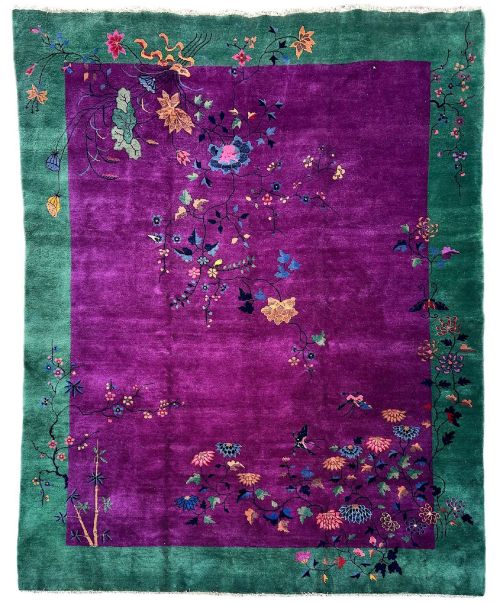
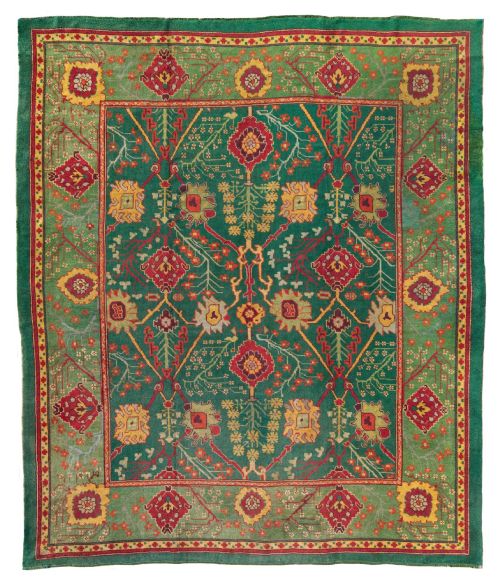
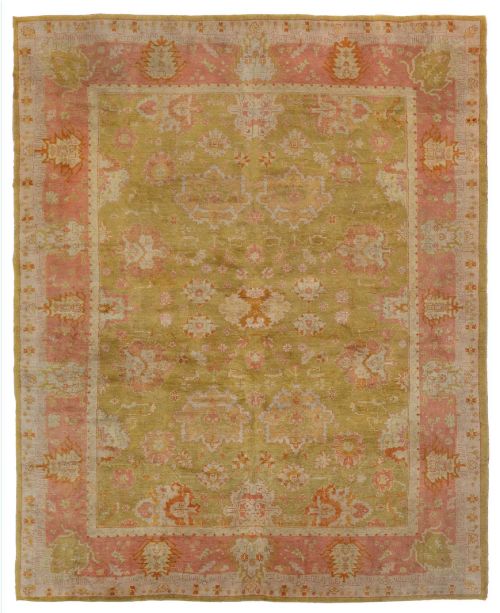
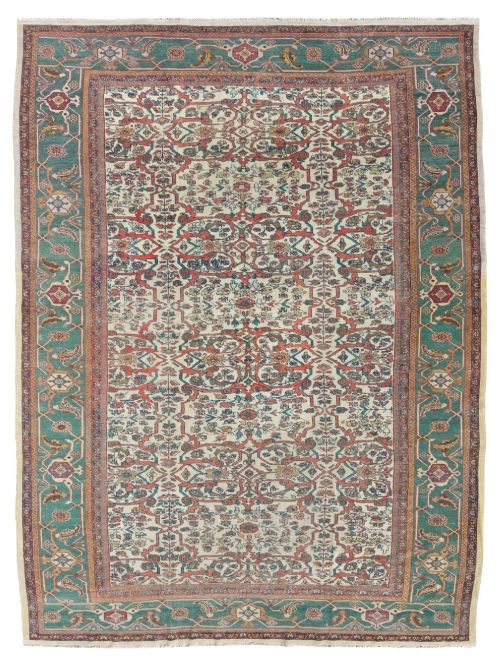
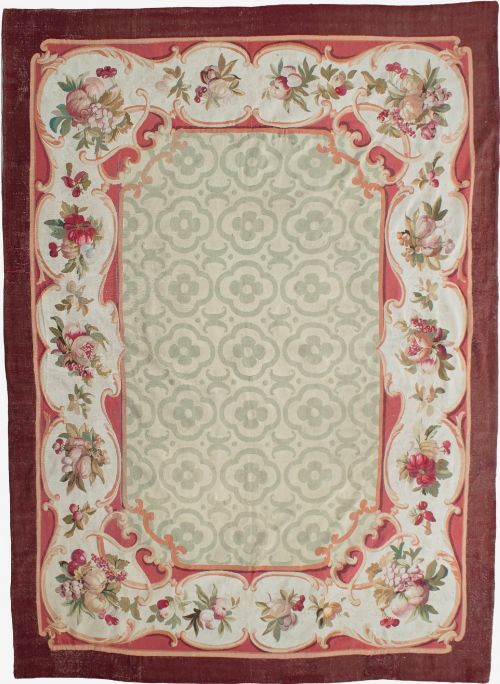


Green Floral Wool Rug
A green floral wool rug brings botanical depth and enduring texture into a room, grounding your interior with centuries of woven tradition.
Green Floral Wool Rug
When you search for a green floral wool rug, you encounter a diverse array of woven floor coverings spanning from the eighteenth century to the mid-twentieth century. These pieces encompass regional traditions from Persian and Anatolian workshops to European arts and crafts movements.
The selection on this page relies primarily on wool as the foundational medium, styled with botanical motifs across various historical periods. You will find room-sized carpets alongside smaller area rugs, each representing distinct regional weaving practices.
How they were made
The construction of these textiles relies heavily on wool yarn, frequently paired with cotton or linen foundations to provide structural stability. Weavers employed hand-knotting and flat-weaving techniques, utilising natural dyes derived from plants and minerals to achieve lasting coloration.
Support materials such as jute, burlap, and canvas occasionally reinforce the backing of these floor coverings, depending on the specific regional origin and production period.
Green Floral Wool Rug Retail Price Guide 2026
Typical asking prices for green floral wool rug among the pieces listed under this phrase on Sellingantiques today, from the lower quarter to the upper quarter. They describe what is for sale here now, not the wider market.
Early weavers occasionally incorporated minor intentional irregularities in their floral patterns to symbolise humility before perfection.
What varies in quality
The standard of a woven carpet rests upon the density of its knotting and the precision of its botanical design execution. Finer examples display intricate floral detailing and well-balanced palettes that reflect the high skill of the original artisan workshop.
Material integrity also dictates value, with tightly spun wool and robust foundational threads ensuring longevity. Pieces that retain their original scale and structural wholeness stand apart from those with compromised foundations.
The Green Floral Wool Rug Glossary
- Pile
- The cut or looped surface of a rug formed by the yarn ends standing upright from the foundation. This layer provides the tactile softness and visual depth of the textile.
- Warp
- The vertical threads stretched tightly on a loom before weaving commences. These longitudinal elements form the underlying skeleton of the carpet.
- Weft
- The horizontal strands passed alternately over and under the warp threads to lock the knots in place. This technique secures the structural integrity of the weave.
- Kilim
- A flat-woven carpet or rug produced without a raised pile. These pieces rely on interlocking weft threads to create sharp geometric or floral patterns.
- Chain stitch
- A looping embroidery technique used to create surface designs on a pre-existing fabric foundation. This method yields a textured, raised pattern resembling looped chains.
Green Floral Wool Rug: Frequently Asked Questions
How do I clean a wool rug?
Regular gentle vacuuming without a beater bar removes loose surface dust from the wool pile without damaging the fibres. Professional textile cleaning is necessary for deep washing to protect the historical dyes and foundation.
Avoid using harsh chemical detergents or excessive water, which can weaken the natural wool and cause colour bleeding across the floral patterns.
Can I place these rugs in high traffic areas?
Wool possesses natural lanolin that provides inherent resistance to everyday dirt and wear, making these textiles suitable for moderately busy rooms. Placing a quality underlay beneath the carpet prevents slippage and reduces friction against the floor.
Protecting delicate antique weaves from heavy foot traffic or direct, harsh sunlight preserves their structural condition and botanical colours over time.
How do I identify the period of a rug?
Examining the specific knot count, dye characteristics, and regional design motifs helps determine the approximate decade or century of production. Subtle variations in the wool texture and the weave structure often point to traditional workshops from specific historical eras.
Comparing the border styles and floral rendering against documented regional examples provides further clarity on the age and origin of the piece.
Are these rugs suitable for modern interiors?
The botanical motifs and verdant colourways of these historical textiles complement contemporary interior schemes by introducing organic warmth and texture. They function effectively as focal points in minimalist spaces or as grounding elements in traditional rooms.
Selecting a size that allows adequate floor margin around the edges ensures the rug anchors the furniture arrangement harmoniously.