


Green Fabric Seat
These green fabric seat options bring together centuries of upholstery and timber, offering both period character and practical comfort for daily use.
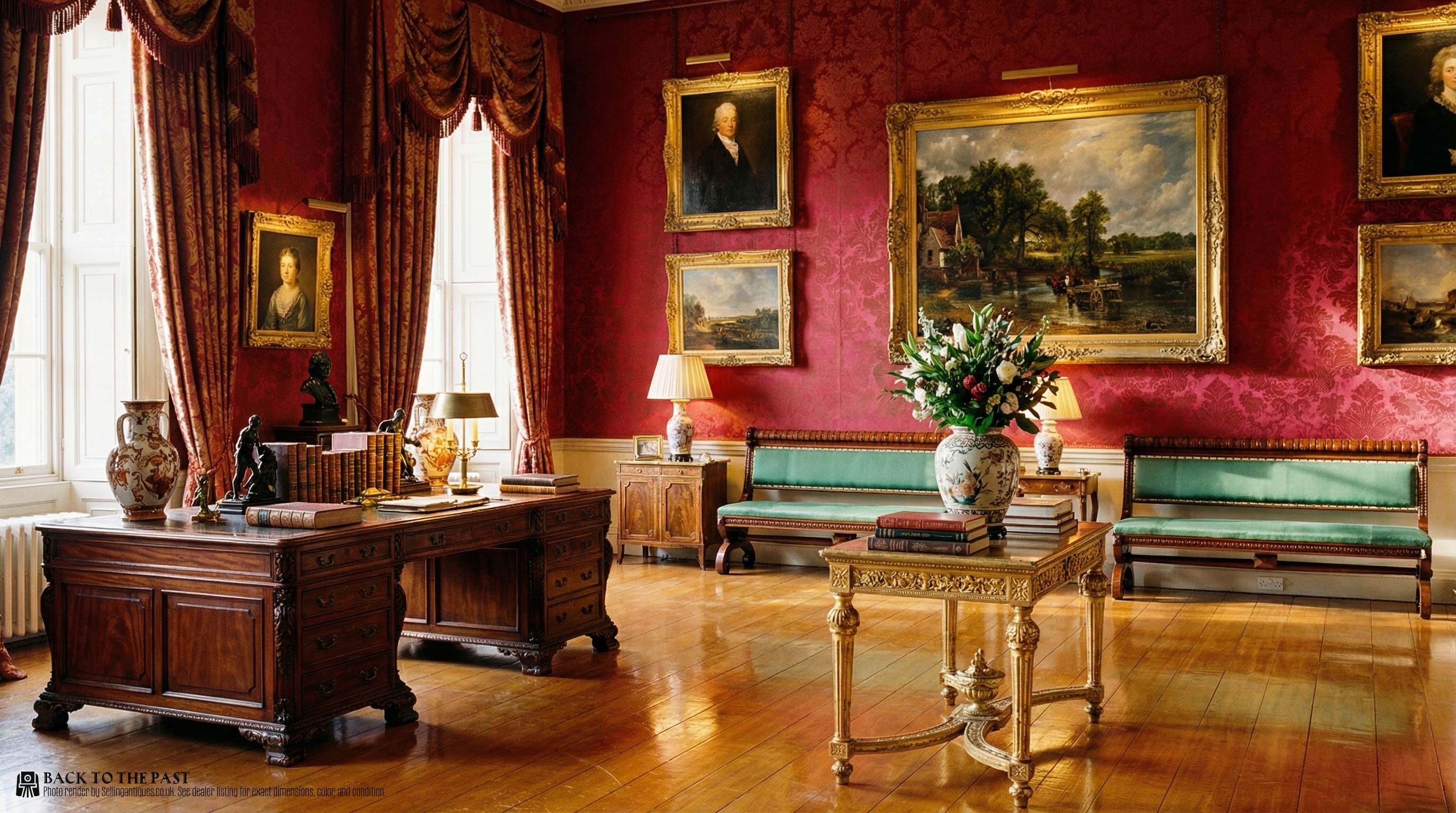
Green Fabric Seat
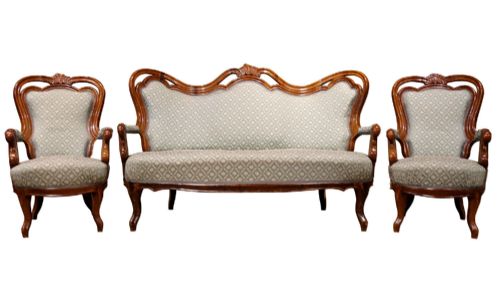
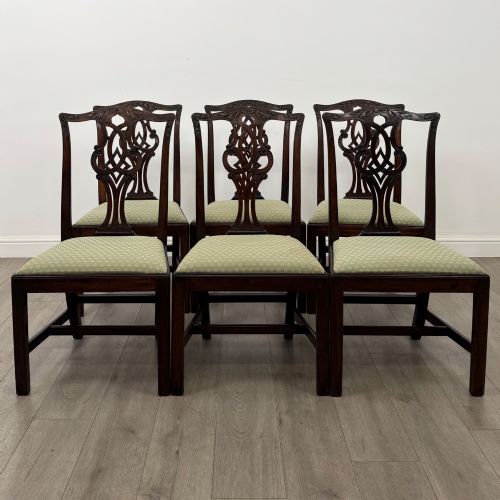
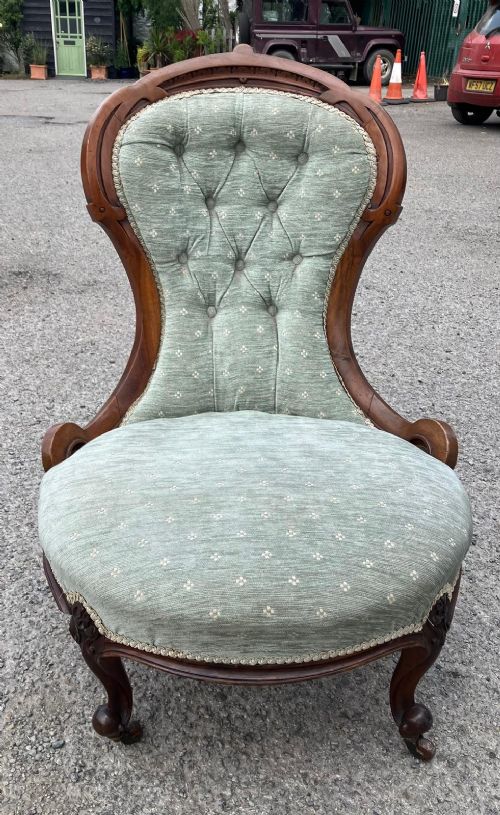
A green fabric seat covers a wide array of seating forms, ranging from single armchairs and nursing chairs to large sofas and sets of dining chairs. When searching for a green fabric seat, buyers encounter variations spanning the Georgian, Victorian, and Edwardian eras.
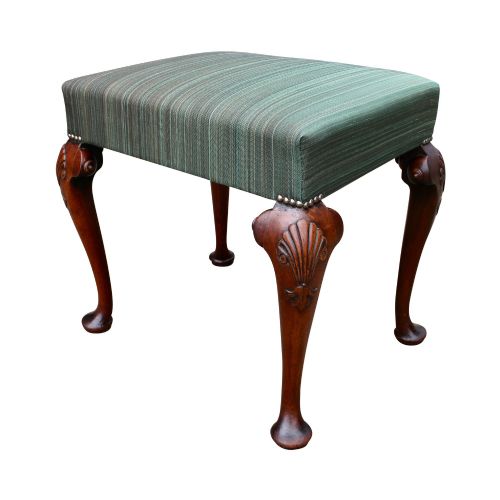
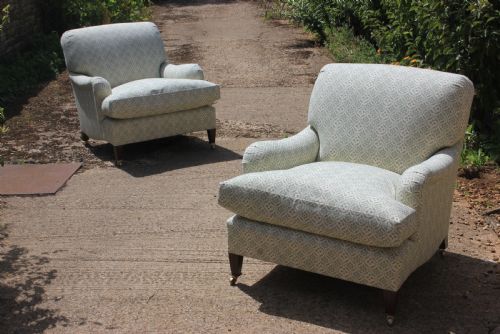
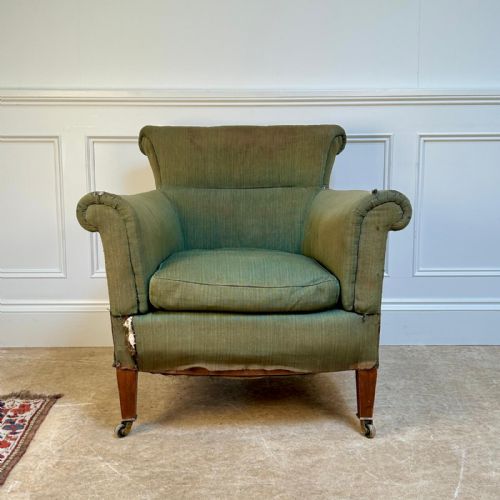
The selections on this page lean heavily towards Victorian and Edwardian armchairs, alongside walnut and mahogany dining chairs and occasional stools. Pieces such as the Howard and Sons upholstered armchairs and Queen Anne style sofas represent the common forms found in this category.
Origins stretch from English country workshops to Continental makers, encompassing styles like Rococo Revival, Regency Revival, and Art Nouveau. Each piece combines structural timber frames with textile coverings to deliver functional seating with distinct period presence.
Materials and construction
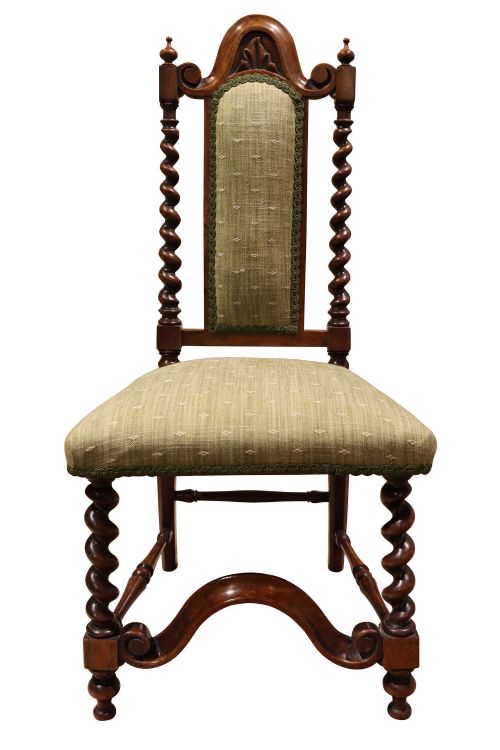
Makers built the structural frames of these seats using hardwoods such as mahogany, walnut, teak, and general timber. These woods provided the necessary rigidity for armchairs, dining sets, and multi-seat sofas.
Upholstery relies on fabrics, tapestry fabric, and specialised upholstery fabric fixed over internal padding and springs. Brass details and gilt finishings occasionally appear as decorative accents on frames and feet.
Several pieces feature twist turnings that could make anyone dizzy.
Assessing quality
Quality in these seats rests upon the integrity of the timber frame and the precision of the joinery. Fine examples demonstrate tight, stable joints in woods like walnut and mahogany without excessive structural rebuilding.
The execution of the upholstery work also distinguishes finer pieces, where hand-stitched details and matching textile alignment show superior craftsmanship compared to standard commercial output.
Howard and sons
The Green Fabric Seat Glossary
- Upholstery fabric
- The outer textile material used to cover padding and springs on chairs and sofas. It defines the visible texture and colour of the seat.
- Walnut
- A dense, dark timber frequently utilised for frames in Victorian and Georgian seating. It accepts fine carving and polishing.
- Mahogany
- A durable hardwood prized for its rich grain and strength in dining chairs and library sofas. It remains stable over long periods.
- Wingback armchair
- A seat style featuring protective side panels designed to shield the user from drafts. These often appear in Victorian and Edwardian listings.
- Salon suite
- A matched set of seating furniture intended for formal reception rooms. These typically comprise a sofa and matching armchairs.
Green Fabric Seat: Frequently Asked Questions
What periods do these seats come from?
The listings span multiple centuries, starting from 18th century Georgian designs through to Victorian and Edwardian periods, extending into early 20th century pieces.
Buyers will also encounter later revivals and styles reaching past the mid-century mark, reflecting diverse historical tastes.
How do I identify a Victorian armchair?
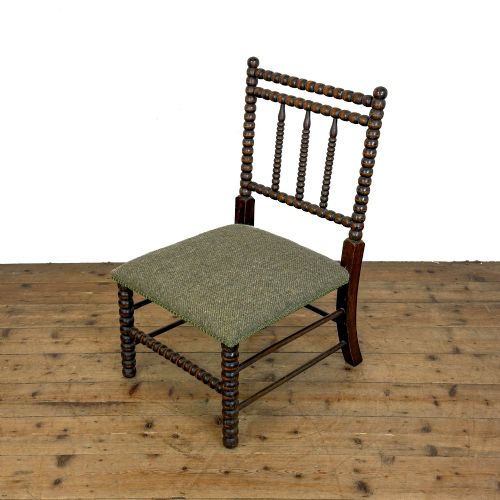
Victorian armchairs often feature dense timber frames made of walnut or mahogany, sometimes adorned with carved details or bobbin turnings. They frequently employ traditional upholstery methods and heavier sprung seats.
Styles from this era range from nursing chairs to large wingback designs, each exhibiting the heavier proportions characteristic of the mid to late 19th century.
Where were these pieces originally used?
These seating forms served various rooms within period homes, from formal reception spaces and libraries to bedrooms and dining halls. Smaller stools and nursing chairs were designed for specific domestic tasks.
Larger sofas and salon suites occupied drawing rooms, while dining chairs gathered around household tables for daily meals.
How should I care for a fabric seat?
Protect the upholstery fabric by keeping the seat away from direct sunlight to prevent textile fading. Regular gentle vacuuming helps remove dust from the woven surfaces.
Treat the wooden frames periodically with appropriate timber conditioners to maintain the polish without harming the surrounding fabric.