




Green Enamelled Ceramic Vase
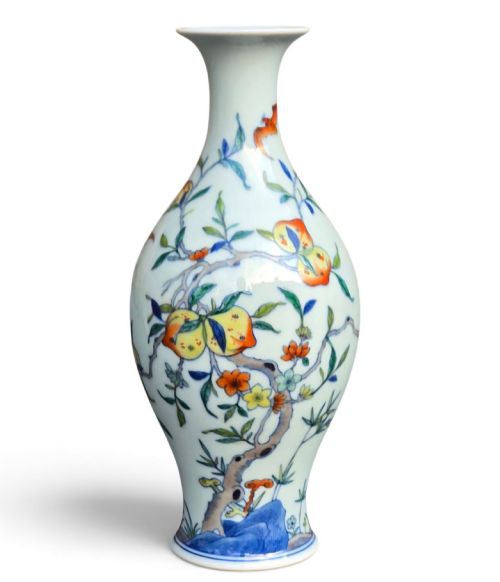
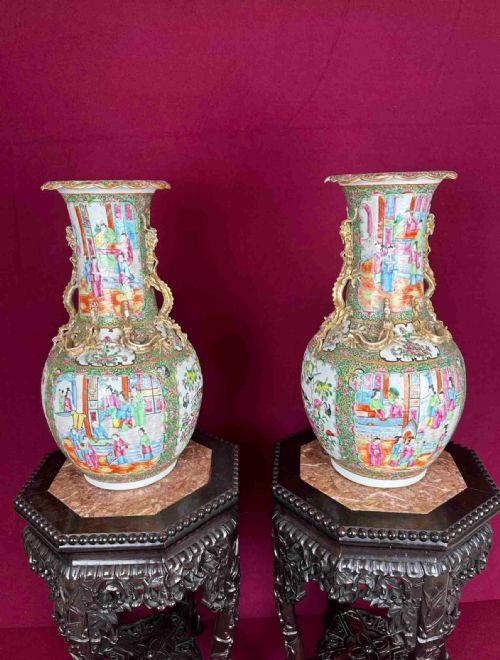
These green enamelled ceramic vase examples bring bright polychrome glaze and intricate hand-painted detail into a room.
Green Enamelled Ceramic Vase
A green enamelled ceramic vase combines fired clay or porcelain bodies with vibrant coloured enamel pigments applied by hand. When searching for a green enamelled ceramic vase, buyers encounter traditional oriental forms originating from Chinese dynasties and Japanese periods.
The selections on this page span several centuries, including Victorian pieces, Qing Dynasty vessels, and items from the Meiji era. Common forms take the shape of baluster vases, jars, urns, and cong vessels, sometimes adapted into table lamps.
Many examples feature contrasting palettes alongside green enamels, such as iron red, yellow, and blue and white underglazes. Figures, dragons, and Buddhistic lions often decorate the surfaces of these ceramic works.
How they were made
Potters shaped ceramic and porcelain bodies before applying intricate hand-painted designs using mineral enamels. Kiln firing fused these coloured glazes onto the clay surface to achieve a durable, lustrous finish.
Certain pieces integrate specialised techniques such as biscuit enamelling directly onto unglazed or partially glazed ceramic. Additional decorative elements incorporate gold leaf highlights or metal wire framing across related vessels.
Chinese export styles and Japanese Meiji production appear alongside Qing Dynasty baluster vases and jars.
What varies in quality
The precision and detail of the hand-painted enamels dictate the visual clarity of the design on each vessel. Masterful brushwork defines the contours of dragons, florals, and figures against the green background.
The condition of the ceramic body and the stability of the fired enamel glazes influence the desirability of the piece. Intact surfaces with minimal wear to the polychrome pigments represent finer preservation.
The Green Enamelled Ceramic Vase Glossary
- Famille verte
- A ceramic palette dominated by green enamel, developed during the Qing Dynasty. It often combines cobalt blue underglazes with vibrant overglaze enamels.
- Famille rose
- A ceramic decoration style featuring an opaque pink or rose enamel, introduced in Chinese porcelain production. Artisans frequently paired this palette with greens and yellows.
- Baluster vase
- A tall vessel characterised by a bulbous lower body that tapers towards a constricted neck and flanged rim. This classic form appears frequently in antique oriental ceramics.
- Cong
- A tubular ceramic vessel with a square cross-section enclosing a circular bore, modelled after ancient jade prototypes. These ancient ritual forms were reinterpreted in later dynasties.
Green Enamelled Ceramic Vase: Frequently Asked Questions
How do I clean a ceramic vase?
Dust the surface gently with a soft, dry cloth to remove particle accumulation.
Avoid using harsh chemical cleaners or submerging antique vessels in water to protect fragile enamels.
Can I use these vases for fresh flowers?
Many antique ceramic and porcelain vessels hold water safely, but hairline fractures or past repairs require caution.
Using a discreet glass or plastic liner inside the vessel prevents moisture damage to older bodies.
How do I date a Chinese porcelain vase?
Examine the painting style, enamel colours, and potting characteristics to compare against known period traits.
Base marks, where present, offer further clues, though reign marks were frequently copied in later centuries.
What is the difference between Famille Verte and Famille Rose?
Famille verte relies predominantly on green enamel tones combined with iron red and other contrasting pigments.
Famille rose introduces an opaque pink enamel derived from colloidal gold, creating softer pastel hues.