



Polychrome Chinese Enamel Vase
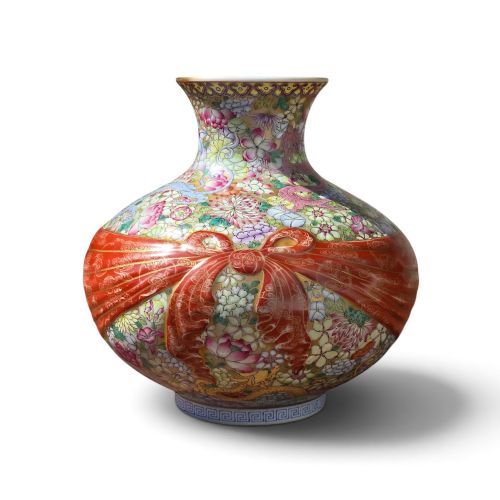
A polychrome chinese enamel vase brings vibrant hand-painted palettes into a room, offering rich Qing dynasty colours and intricate floral panels.
Polychrome Chinese Enamel Vase
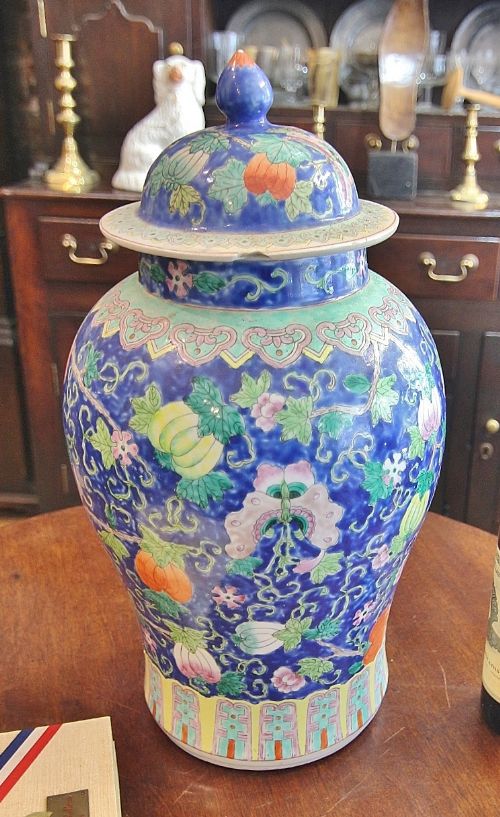
When you examine a polychrome chinese enamel vase, you are looking at vessels formed from porcelain or bronze, decorated with opaque and translucent mineral pigments. The examples you encounter on this page span the nineteenth century through the twentieth century, taking the shape of baluster jars, ginger jars, and monumental floor pieces.
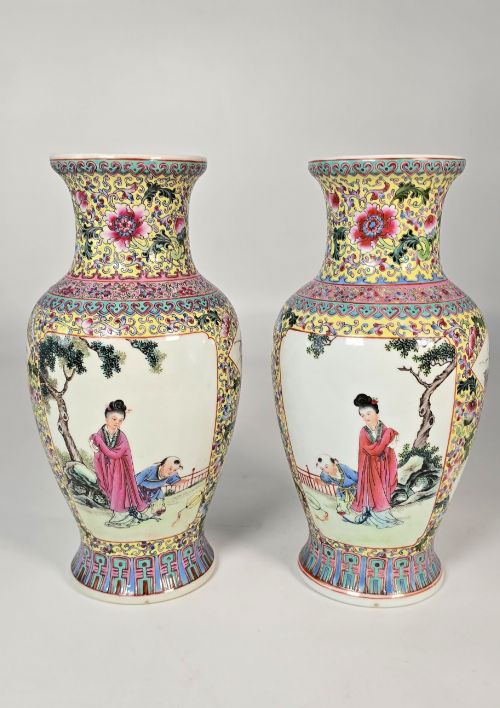
The aesthetic heritage draws heavily from Qing dynasty traditions, Chinese export wares, and Republic period workshops. Many pieces demonstrate classic Cantonese rose medallion patterns or detailed famille rose motifs featuring birds, flowers, and figures.
Beyond standard tabletop vessels, some items have been adapted into table lamps while retaining their original hand-painted bodies. You will also find matching pairs designed for balanced display on mantels or cabinets.
Materials and construction
Potters shaped the core bodies primarily from white porcelain or cast bronze, applying smooth glazes as a foundation for subsequent decoration. Artisans then laid down detailed designs using metallic enamels, iron-red pigments, and occasional touches of gold leaf.
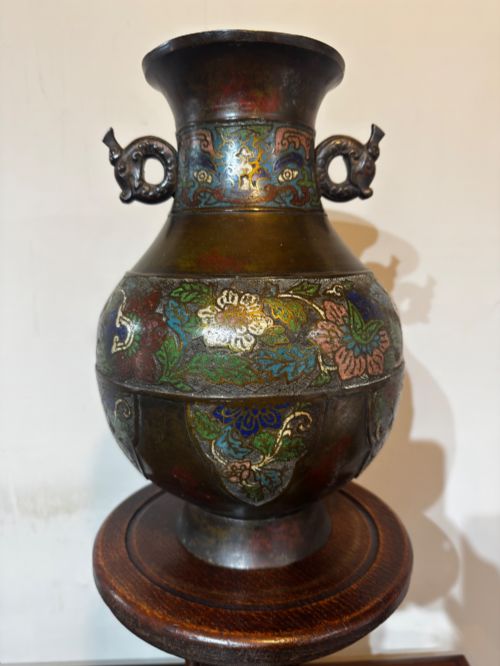
Techniques varied between ceramic enamel painting and metalwork champlevé, where enamel paste filled recessed bronze troughs before firing. Hand-painting required steady brushwork to delineate figures, ribbon-wrapped details, and elaborate floral borders.
Listings feature porcelain, bronze, and cloisonne alongside wood stands and fabric elements across the nineteenth and twentieth centuries.
Assessing craftsmanship and execution
Purity of the underlying porcelain body and the richness of the palette also define the upper tier of the range. Finer examples balance intricate medallions with harmonious background fills without crowding the compositional space.
The Polychrome Chinese Enamel Vase Glossary
- Famille Rose
- A palette of opaque pink enamel introduced during the Qing dynasty. This grouping dominates many nineteenth-century export pieces.
- Cloisonne
- Metalwork technique using soldered wire enclosures to hold coloured enamel pastes. Pieces are fired and polished to create smooth patterned surfaces.
- Baluster
- A vase shape characterised by a rounded body that tapers toward a narrow neck and flared rim. It provides a stable base for complex pictorial scenes.
- Ginger Jar
- A wide-shouldered storage jar with a fitted cover, originally designed for spices. Many survive paired with matching covers from the nineteenth century.
Polychrome Chinese Enamel Vase: Frequently Asked Questions
How do I date a Chinese enamel vase?
Dating relies on stylistic markers, baseline materials, and painted motifs compared against known periods like the Qing dynasty or Republic era. Base marks can also offer clues, though many export pieces carry apocryphal reigns.
Examine the palette density, the quality of the glaze, and the wear on the foot rim to build a clearer picture of the vessel's age.
Were these vases made for export?
A substantial proportion of nineteenth-century Cantonese and famille rose wares were produced specifically for Western markets. These pieces often featured vibrant rose medallion panels designed to appeal to European and American tastes.
Export pieces frequently prioritised bright, decorative surfaces and accessible domestic forms such as lidded jars and large floor vessels.
Can I safely use these as lamps?
Several pieces have been adapted into table lamps, often utilising the original ceramic body while retaining wiring compartments. Care should be taken with placement to protect the historic enamel surface from knocks and daily wear.
Ensure any electrical fittings are inspected by a professional before regular use in a modern interior.
What is the difference between Famille Rose and Famille Verte?
Famille rose relies heavily on opaque pink and purple enamels developed in the eighteenth century, creating softer pastel tones. Famille verte employs a dominant green palette alongside iron-red and yellow pigments, originating earlier in the Qing dynasty.
Both styles frequently appear on nineteenth-century revival pieces listed across this marketplace.