

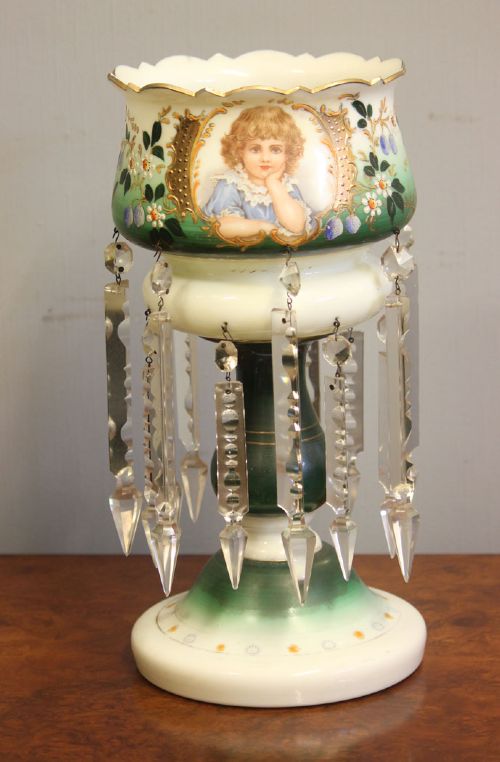
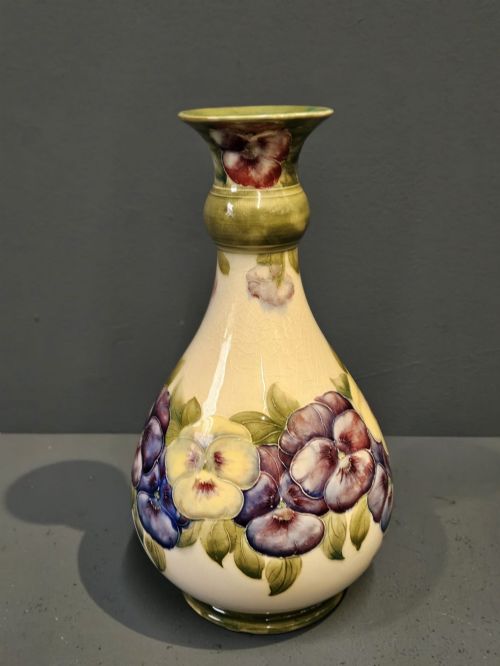
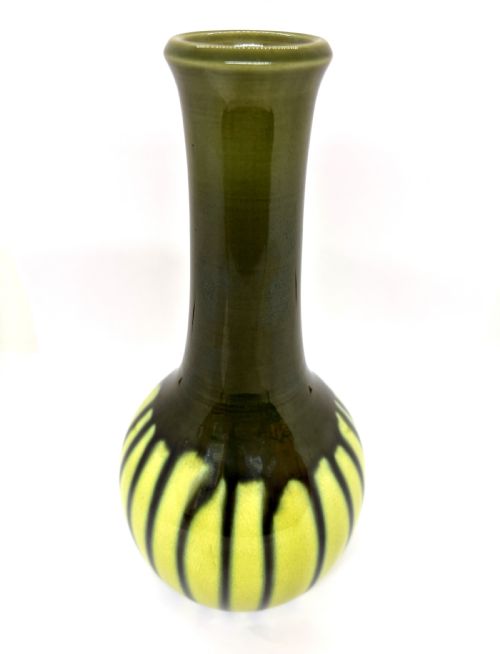
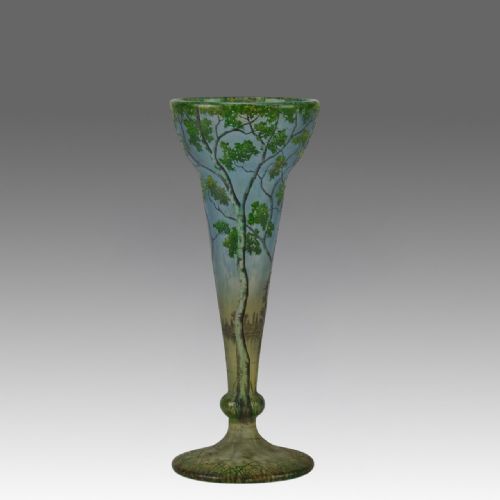
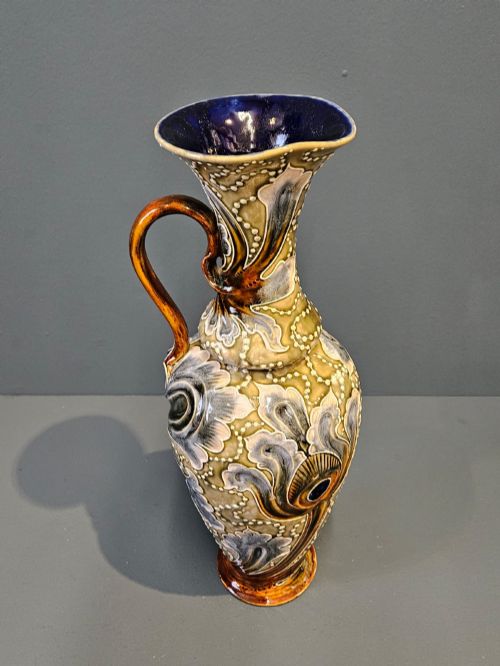
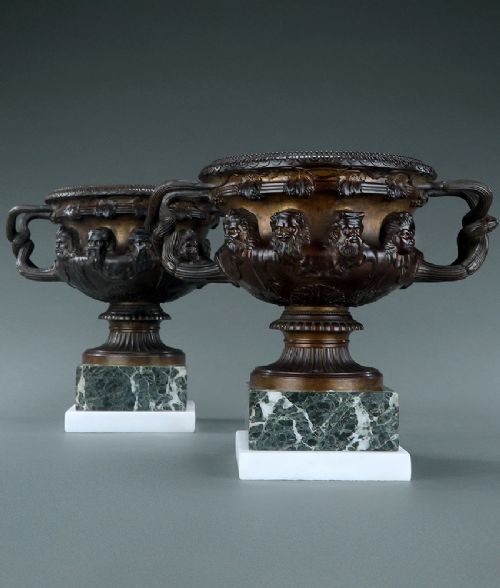
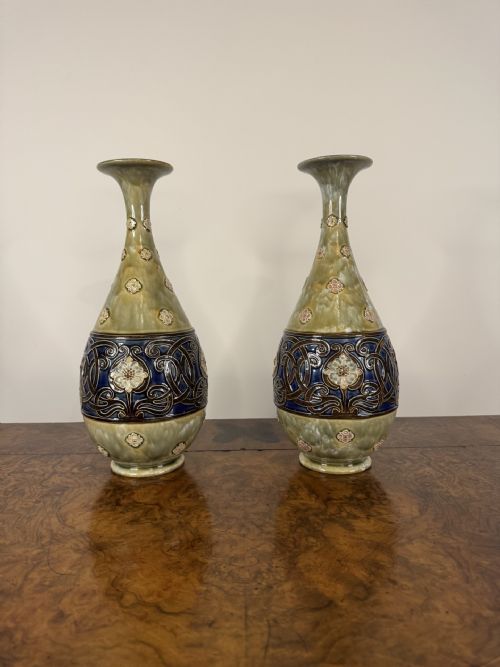

Green Decorative Vase
A green decorative vase brings depth and organic colour to a room through varied ceramic, glass and metal mediums.
Green Decorative Vase
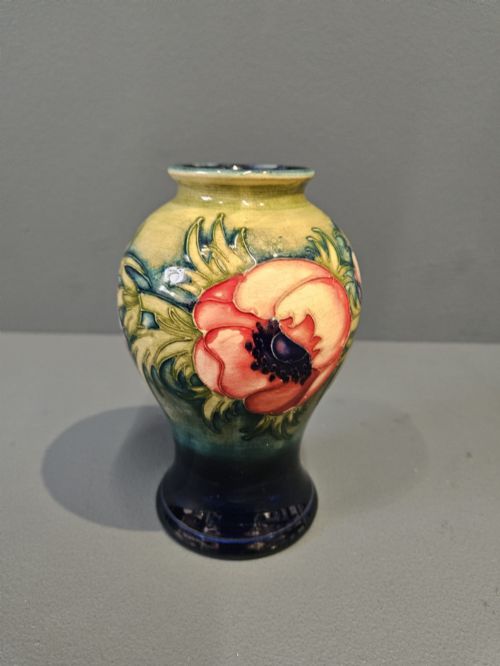
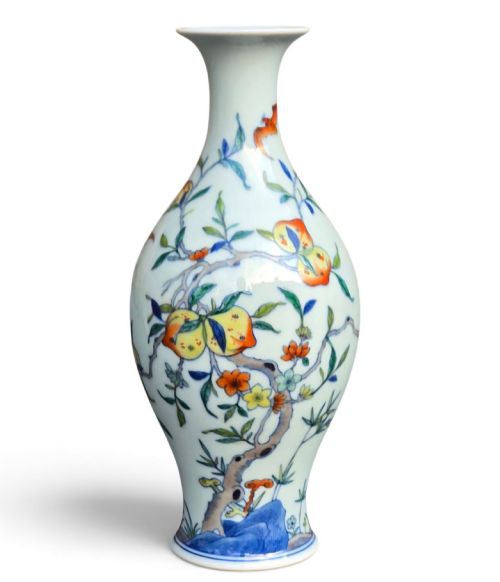
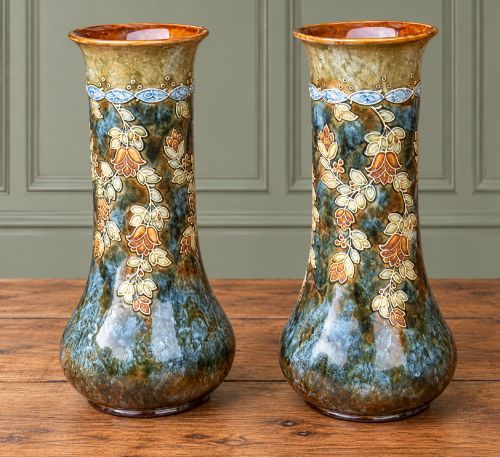
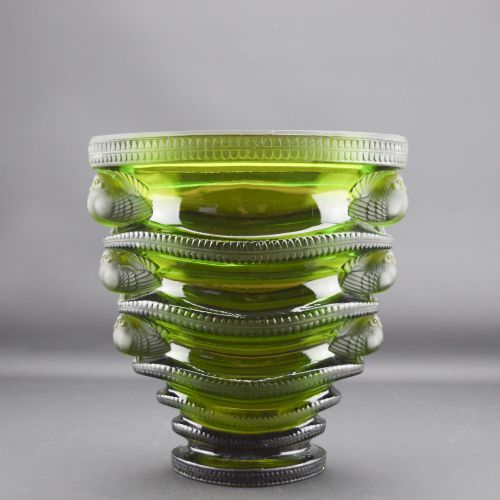
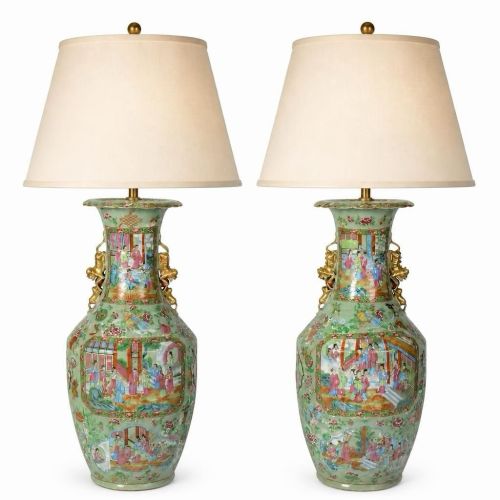
A green decorative vase encompasses a wide variety of vessels designed primarily for display, spanning from small cabinet pieces to large palace urns. When exploring this category, a buyer encounters forms ranging from traditional ceramic jars and studio pottery jugs to tall glass balusters and cast iron garden urns.
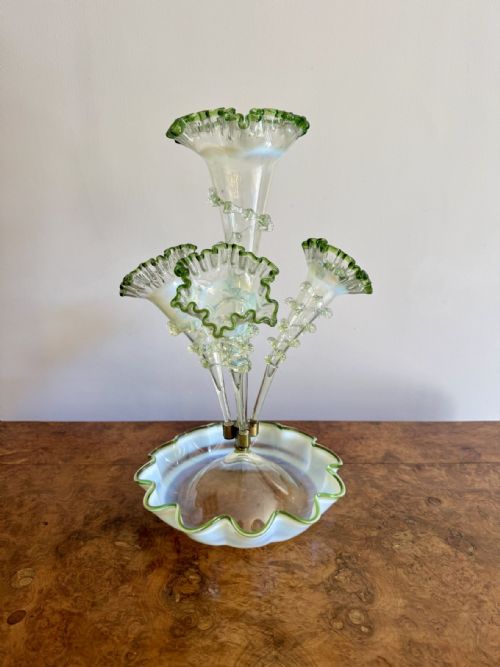
The pieces originating from this selection stretch across the nineteenth and early twentieth centuries, capturing periods defined by ornate Victorian styling, fluid Art Nouveau lines and geometric Art Deco forms. Ceramic versions appear in earthenware, stoneware and porcelain, while glass interpretations utilise cameo, opaline and blown techniques.
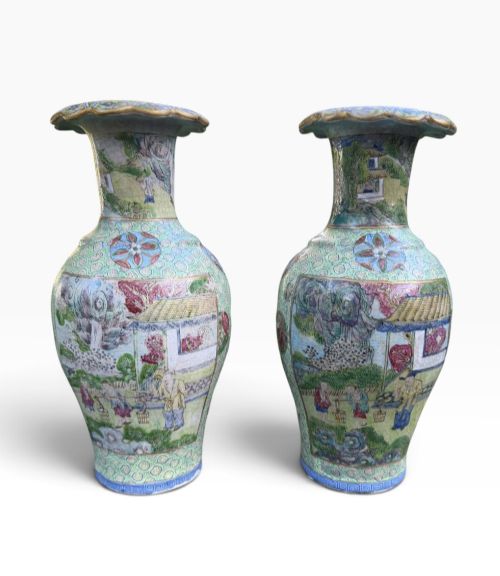
Many examples reflect distinct regional movements, including English studio pottery, French art glass, Austrian earthenware and Asian cloisonné enamel. Buyers meet these objects in matched pairs as well as solitary statement pieces, each utilising shade variations from pale celadon to deep forest hues.
How they were made
Makers shaped these objects using traditional ceramic techniques such as throwing on a wheel or casting in moulds, subsequently applying glazes that melted during firing to create mottled or uniform colour surfaces. Stoneware and earthenware bodies often received hand-painted decoration, lustre finishes or incised motifs before high-temperature kilns set the material.
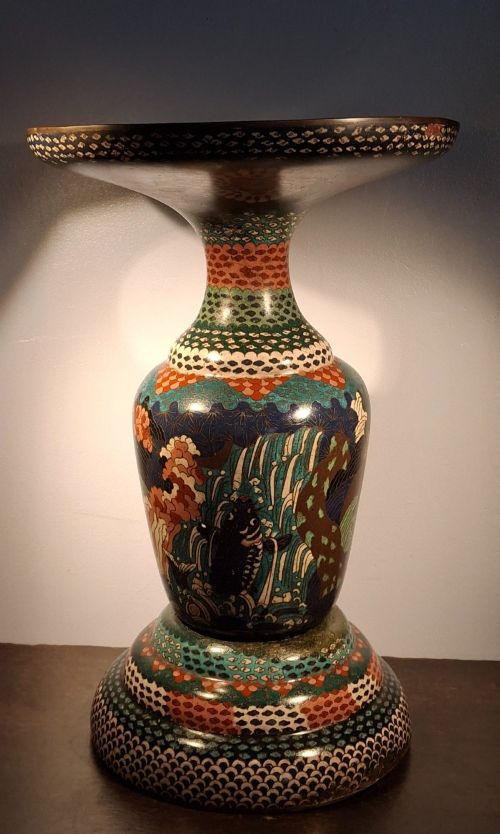
Glass pieces relied on blowing molten metal into optic moulds or layering contrasting colours to achieve depth, as seen in cameo glass carved down to reveal underlying shades. Enamel work involved fusing powdered glass onto copper or ceramic foundations, sometimes wire-inlaid to partition vibrant pictorial scenes.
Green Decorative Vase Retail Price Guide 2026
Typical asking prices for green decorative vase among the pieces listed under this phrase on Sellingantiques today, from the lower quarter to the upper quarter. They describe what is for sale here now, not the wider market.
Listings feature green decorative vase examples spanning ceramic, glass, enamel and iron across multiple nineteenth and twentieth-century design movements.
What varies in quality
Quality in these vessels rests on the precision of the form and the depth achieved within the material, whether through the controlled translucency of an art glass body or the crisp execution of hand-carved stoneware details. Superior examples display artistic ambition in their design and execution, showing a distinct hand rather than generic mass production.
The integration of glaze and surface decoration separates standard vessels from exceptional ones, particularly where chemical reactions during firing produce deliberate tonal variations. Maker attribution and documented design origin further elevate an object, distinguishing studio pieces from commercial factory output.
Moorcroft·Royal Doulton·Rene Lalique·Burmantoft's Pottery·Daum Frères·Emile Galle·James Powell·Royal Lancastrian·Baccarat
The Green Decorative Vase Glossary
- Baluster
- A vertical architectural form featuring a rounded lower body that tapers toward a narrow neck. This shape provides stability and visual weight to many ceramic and glass vessels.
- Cameo glass
- A vessel formed by fusing multiple layers of glass of contrasting colours and carving away the outer layer to create raised designs. This demanding technique requires immense skill from the glassmaker.
- Cloisonne
- Metalwork decoration where thin wires are soldered to a base to form compartments, which are then filled with enamel paste and fired. The resulting surface presents intricate patterns separated by fine metallic lines.
- Lustre
- A metallic sheen applied to ceramics or glass using metallic oxides fired in a reducing atmosphere. This process yields an iridescent surface reflecting rainbow hues under changing light.
- Majolica
- Tin-glazed earthenware popular during the Victorian era, known for vibrant coloured glazes and moulded relief decoration. Pieces often depict naturalistic botanical or zoological subjects.
Green Decorative Vase: Frequently Asked Questions
Where were green decorative vases typically displayed?
These vessels historically occupied prominent positions on mantelpieces, entrance hall tables and pedestals within formal reception rooms. Their primary function was visual enrichment rather than holding cut flowers.
Larger pairs often stood on furniture tops or directly on the floor as architectural accents, while smaller examples enhanced cabinets and occasional tables.
How do I identify an Art Nouveau period vase?
Art Nouveau pieces feature flowing, asymmetrical lines inspired by natural forms such as plant stems, seed pods and insect wings. The green glazes on these vessels often mimic botanical shades.
Look for undulating contours and stylised floral motifs that avoid rigid geometric symmetry, reflecting the movement's organic philosophy.
What is the difference between earthenware and stoneware?
Earthenware is fired at lower temperatures, resulting in a porous ceramic body that requires an impermeable glaze to hold water. Stoneware is fired at higher heat until the clay vitrifies, becoming dense and completely waterproof.
Stoneware typically feels heavier and sounds more resonant when tapped, whereas earthenware offers a softer base for thick surface glazes.
Can these antique vases be used with water?
While many glazed ceramic and glass vessels remain watertight, older earthenware and studio pottery can sometimes develop micro-fissures in the internal glaze over time. It is wise to test them gently with lukewarm water before arranging fresh stems.
Inserting a small hidden glass liner inside older or porous vessels protects the antique fabric from moisture damage.