




Green Ceramic Pot
A green ceramic pot brings earthy colour and texture to a room, ranging from simple French country jars to intricate Chinese vessels.
Green Ceramic Pot
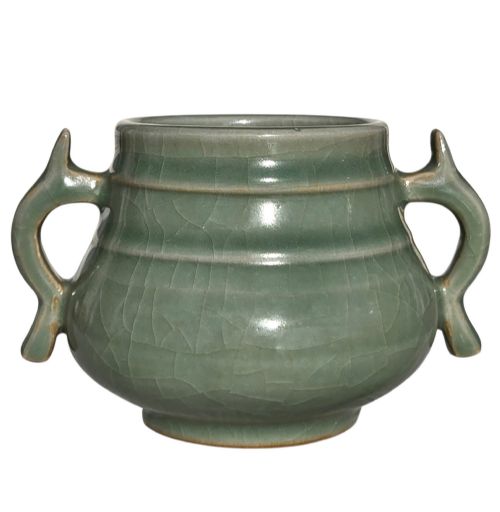
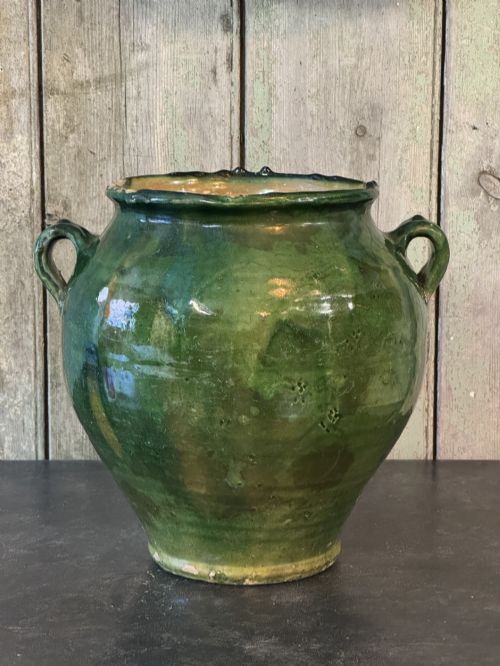
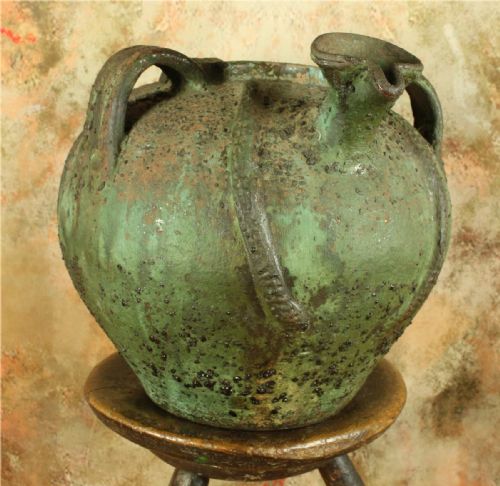
A green ceramic pot encompasses a diverse selection of utilitarian vessels, decorative planters, and fine porcelain pieces spanning centuries of global craftsmanship. Buyers searching for a green ceramic pot will encounter everything from rustic French confit jars and olive jugs to refined Victorian majolica jardiniere stands and Chinese celadon wares.
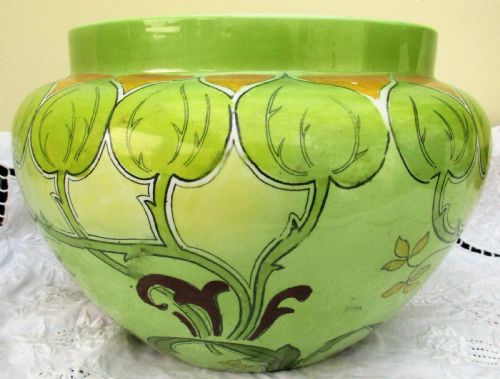
The selection on this page draws heavily from nineteenth-century European production, alongside earlier Asian dynasties and twentieth-century Art Deco designs. Common forms include jardinieres, incense burners, apothecary jars, and chamber pots, each showing the distinct aesthetic of its period and origin.
How they were made
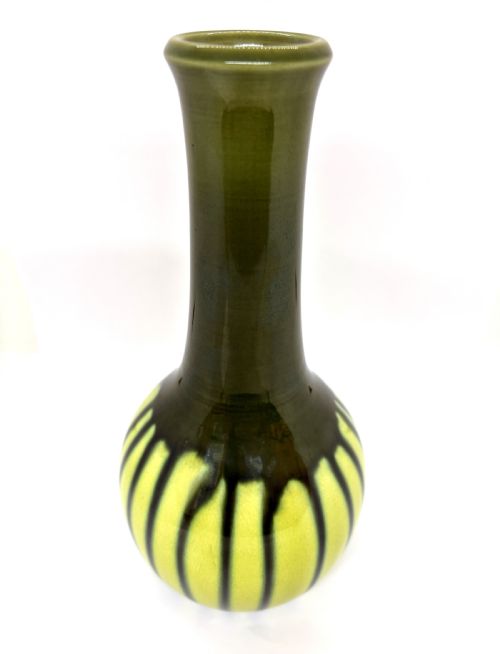
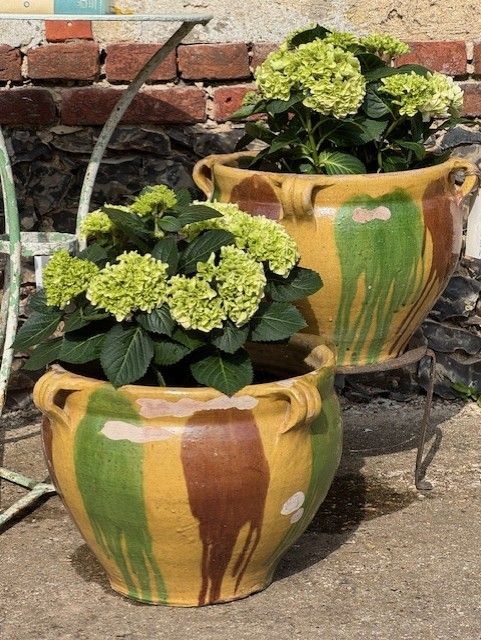
Potters shaped these objects from earthenware, terracotta, porcelain, and ceramic bodies, utilising hand-throwing and moulding techniques appropriate to the era. Surfaces received tin glazes, lead glazes, or specialised dribble glazes that pooled and ran during firing to create variegated green tones.
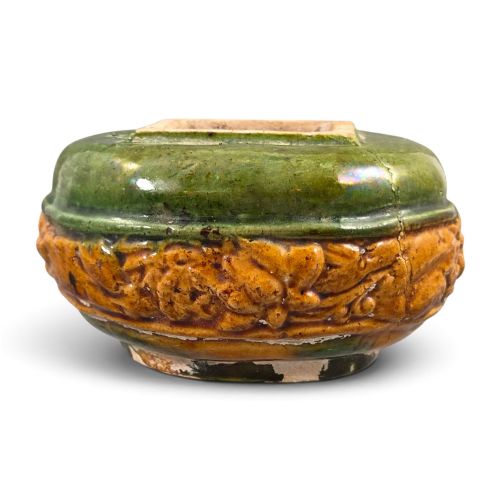
Some pieces incorporate applied ornamentation, gold leaf, or detailed enamel painting over the glaze, such as the multi-coloured motifs found on Chinese jars. Kiln temperatures and glazing methods dictate the depth and finish of the green surface, varying from soft celadon sheens to deep, lustrous majolica.
Green Ceramic Pot Retail Price Guide 2026
Typical asking prices for green ceramic pot among the pieces listed under this phrase on Sellingantiques today, from the lower quarter to the upper quarter. They describe what is for sale here now, not the wider market.
Materials recur across earthenware, terracotta, porcelain, and specialised glazes including tin and celadon formulas.
What varies in quality
Quality in these pieces rests upon the precision of the potter's throw, the chemical richness of the glaze, and the preservation of the surface over time. Superior examples display controlled glaze runs, crisp modelling of decorative elements, and harmonious proportions suited to their original domestic or ritual function.
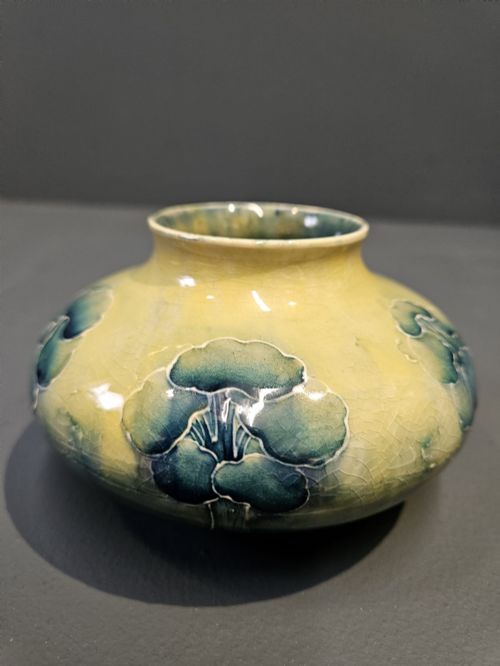
Maker attribution also influences standing, with works from established potteries like Royal Doulton, Royal Worcester, or Moorcroft holding distinct merit compared to unmarked provincial wares. The complexity of the firing process, especially in historical Asian ceramics and European majolica, separates standard production from exceptional studio achievement.
Moorcroft·W.A. Adderley·Burmantoft's Pottery·Castelnaudary·Royal Worcester·Royal Winton·Royal Doulton·Doulton Lambeth·Plichta Pottery·Joseph Holdcroft
The Green Ceramic Pot Glossary
- Celadon
- A term for a class of Chinese ceramics denoting both wares glazed in jade green and the specific green glaze itself. This finish results from iron oxide in the glaze reacting during a reduction firing.
- Majolica
- A type of earthenware decorated with opaque tin glazes and fired with metallic oxide colours. The technique produces vibrant hues and glossy surfaces popular in nineteenth-century decorative pieces.
- Jardiniere
- A large ornamental pot or stand designed to hold live plants or flowers. These items often sit on floors or tabletops and are frequently rendered in ceramic or porcelain.
- Confit pot
- A traditional French earthenware vessel used originally for storing preserved meats. These pots typically feature full or partial green glazing and sturdy handles for kitchen utility.
- Trinquefort
- An alternative term for certain regional French pottery forms, though primarily the selection here relies on standard earthenware and terracotta descriptions. It denotes robust domestic utility wares.
Green Ceramic Pot: Frequently Asked Questions
How do I date an antique green ceramic pot?
Dating relies on examining the clay body, the characteristics of the glaze, and any maker marks stamped or painted on the base. Stylistic cues such as Victorian ornamentation or Art Deco geometry also help narrow the period of manufacture.
Comparing the potting technique with known examples from specific centuries provides further confirmation of age and origin.
Were these pots used outdoors or indoors?
Most items listed here, including jardinieres, water pots, and scholarly vessels, were designed for indoor domestic use or scholarly display. Robust terracotta and earthenware jars served practical storage functions in kitchens and pantries.
Delicate porcelain and glazed pieces required gentle indoor placement to protect their decorative surfaces from weather damage.
What is the difference between earthenware and porcelain pots?
Earthenware is a porous, coarser ceramic body fired at lower temperatures, commonly seen in rustic French confit jars and terracotta bowls. Porcelain is a dense, vitrified material fired at high heat, producing a fine, resonant white body often used for delicate decorative pieces.
Glazes adhere differently to each material, giving earthenware a softer, warmer look and porcelain a crisp, vitreous finish.
How should I clean and care for antique ceramic pots?
Care requires gentle dusting with a soft dry cloth and avoiding harsh chemical cleaners that might strip historical glazes. Porous earthenware pots should be kept away from standing water to prevent moisture absorption through unglazed areas.
Display them away from direct sunlight and sudden temperature shifts to preserve the integrity of the ceramic and its glaze.