



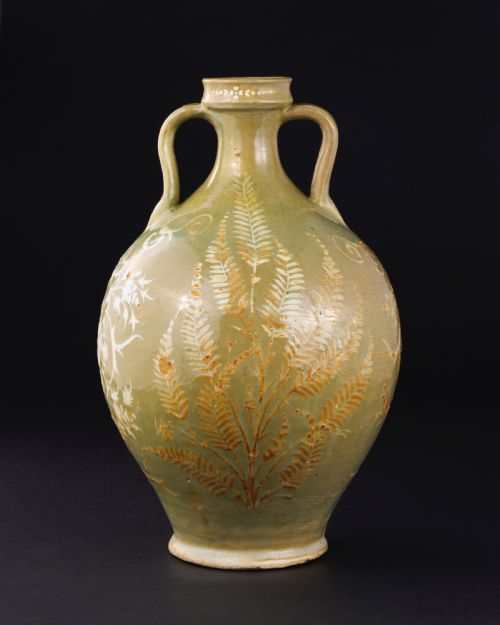


Green Ceramic Botanical
Green ceramic botanical pieces bring together natural plant motifs and glazed earthenware or porcelain, offering tables and walls a lasting touch of organic form.
Green Ceramic Botanical
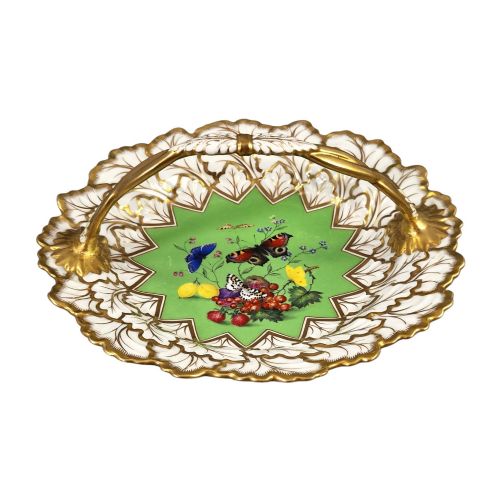
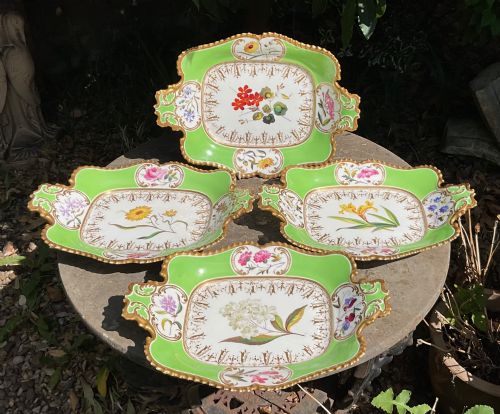
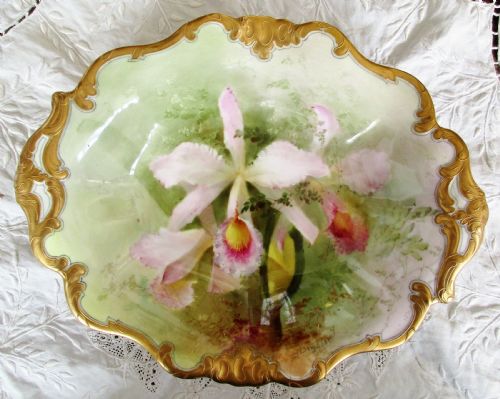
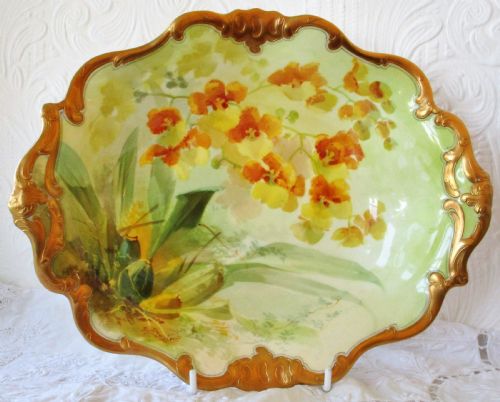
Green ceramic botanical items encompass a range of decorative objects such as plates, dessert services, cabinet dishes, and decorative baskets adorned with leaves, flowers, and natural forms. These pieces draw from periods including the eighteenth century, Regency, Victorian, and early twentieth century.
Originating from English and continental factories and studios, these items reflect changing botanical interests from formal armorial services to naturalistic nineteenth-century majolica and Art Nouveau plant studies.
Materials and production methods
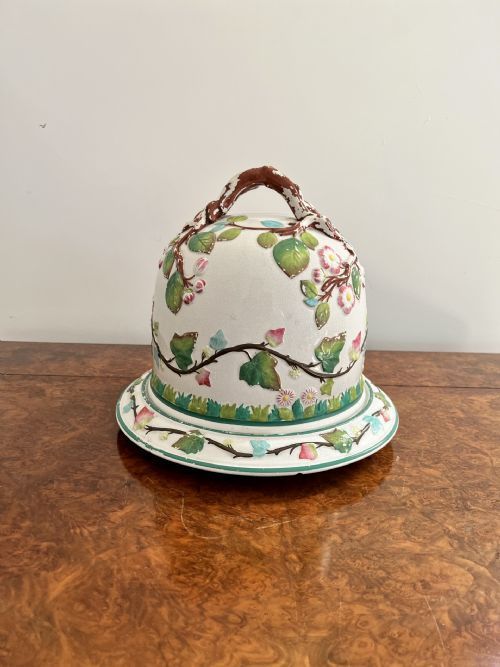
Potters utilised fine porcelain and sturdier earthenware, applying coloured glazes to achieve characteristic green tones that rendered foliage and plant life realistically. Many works combine moulded clay structures with hand-painting, capturing the texture of cabbage leaves, ferns, and flower petals.
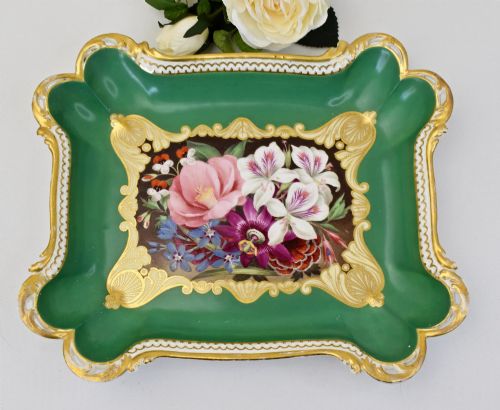
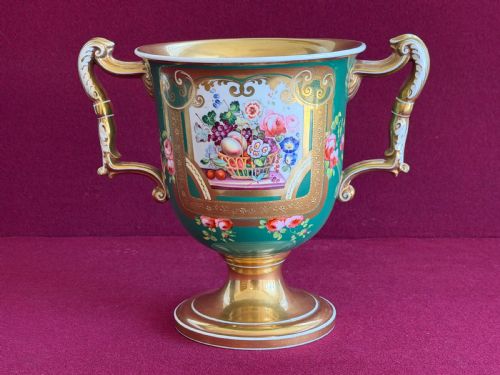
Gilding, gold leaf, and enamel details frequently supplement the glaze, particularly on cabinet plates and dessert services from the Regency and Victorian eras. Studio pottery and majolica pieces rely heavily on thick, pooling glazes to define relief-moulded botanical subjects like bullrushes, begonias, and sunflowers.
Listings feature porcelain, earthenware, and majolica across Regency, Victorian, and Art Nouveau styles.
Distinctions in quality and execution
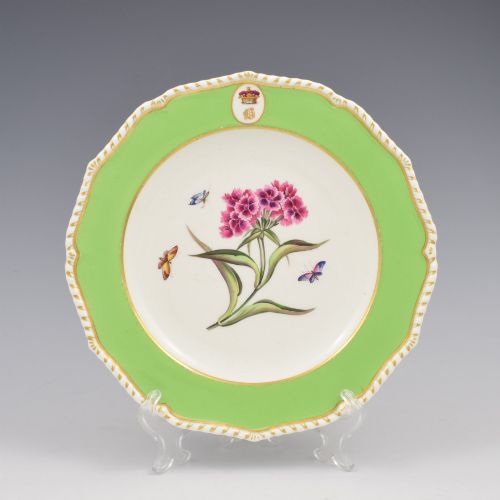
The standard of a green ceramic botanical piece rests on the precision of its modelling and the nuance of its painted or glazed surface. Early porcelain plates with detailed botanical painting by named decorators display a fine balance between botanical accuracy and artistic composition.
In majolica and relief-moulded earthenware, quality shows in the crispness of the leaf and rockwork moulding and the control of the coloured glazes. Superior examples avoid muddy glaze pooling and retain sharp definition across naturalistic forms like lettuce leaves and fern fronds.
Flight Barr and Barr·Chamberlains Worcester·Royal Doulton·Bloor Derby·Chelsea Derby·Spode·Sir Edmund Elton·Royal Dux Bohemia·George Jones·Rockingham·Meissen·Royal Worcester
The Green Ceramic Botanical Glossary
- Majolica
- A type of earthenware glazed with opaque coloured enamels, popular in the nineteenth century for vibrant botanical and animal forms. It relies on lead-glazed colours fired over a white slip.
- Cabinet dish
- A decorative plate intended for display in a cabinet rather than for serving food. These pieces often feature detailed hand-painted botanical studies.
- Dessert service
- A matching set of plates, bowls, and sometimes central stands used for serving the final course of a formal meal. They frequently carry floral or botanical decoration.
- Comport
- A raised dish or bowl used on a dining table for fruit or sweetmeats. In botanical ceramics, these often take the form of leaves or woven baskets supported by naturalistic stems.
Green Ceramic Botanical: Frequently Asked Questions
What periods do these pieces come from?
The items span from the eighteenth century through the Regency and Victorian eras into the early twentieth century. This timeline covers Georgian porcelain painting, nineteenth-century majolica production, and Art Nouveau studio pottery.
Each period brought distinct manufacturing techniques and aesthetic priorities, shifting from formal botanical plates to deeply glazed naturalistic tableware and vessels.
How were botanical plates used originally?
Botanical plates and dessert services served dining functions during formal meals, particularly for dessert courses where presentation mattered greatly. Cabinet dishes, conversely, were made purely for display.
Individual pieces like sauce boats and cheese domes combined practical utility on the nineteenth-century dining table with sculptural plant forms.
How do I care for antique ceramic botanical items?
These fragile porcelain and earthenware pieces require careful handling and should generally be kept for display rather than daily dining use. Dusting with a soft, dry cloth helps maintain the glaze and any delicate enamel or gilt work.
Avoiding exposure to harsh cleaning agents and sudden temperature changes protects both the ceramic body and the historical glazes from damage.
How can I tell different periods apart?
Distinguishing periods relies on observing the paste, glaze characteristics, and stylistic markers such as Regency borders, Victorian naturalism, or Art Nouveau fluid lines. Maker marks on the underside often provide precise chronological clues.
Subtle shifts in colour palettes, from eighteenth-century botanical illustrations to rich Victorian majolica greens, also indicate the era of manufacture.