

Green Carved Furniture
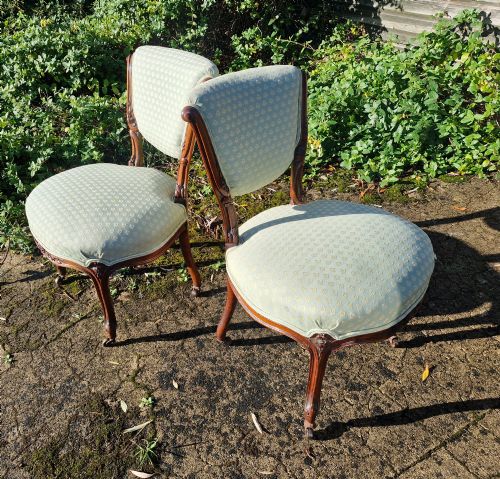
Green carved furniture brings heavy timber and mythical folklore together in pieces like oak hall stands, bookcases and panels.
Green Carved Furniture
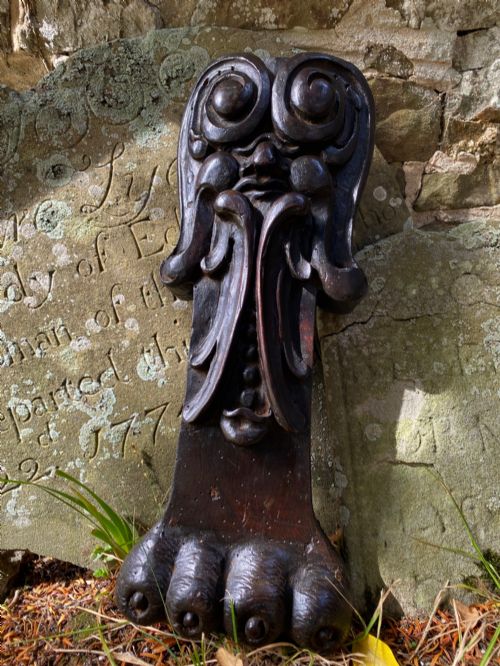
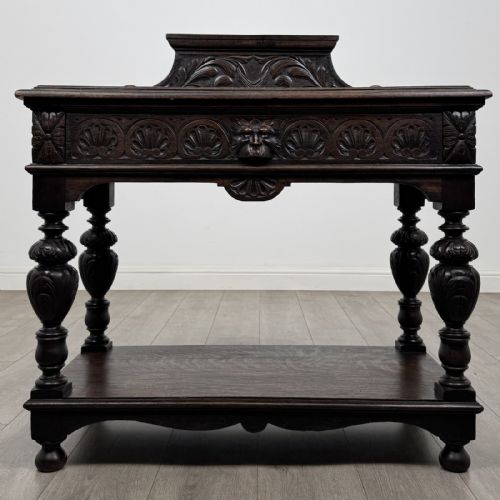
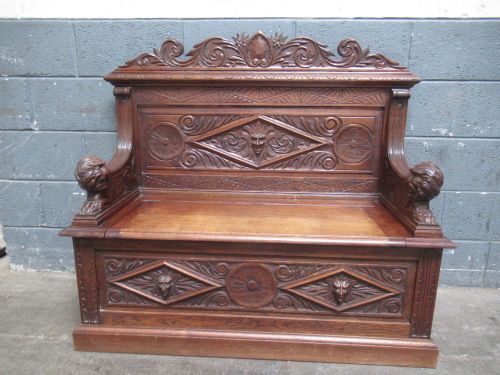
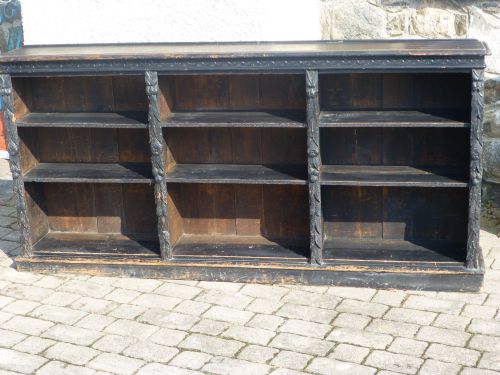
Green carved furniture centres on heavy timber work featuring the distinctive foliate masks and grimacing faces known as Green Men, alongside lion paws and deep relief panels. These items appear most frequently in nineteenth century oak, from Victorian hall benches and monks benches to large hall stands with mirrors and bookcases.
The form spans functional hall furniture and architectural panels, using solid oak surfaces to give the carved motifs substantial depth. Buyers searching for green carved furniture encounter Victorian pieces heavily laden with these folkloric wooden faces alongside earlier nineteenth century dresser bases and side tables.
Such items serve practical domestic roles in entrance halls and reception rooms while displaying the dark, brooding carving style popular during the Victorian era. The heavy timber construction ensures each piece functions as a durable anchor within a room.
Assessing quality in carved timber
Quality rests upon the depth and sharpness of the carving rather than the mere presence of decoration. Superior examples show crisp undercut foliage and expressive facial details carved directly from the solid wood rather than applied mouldings.
The choice of timber grain and the integrity of the joinery determine durability. Pieces retaining their original finish and structural fixings demonstrate the care taken during manufacture.
Green Carved Furniture Retail Price Guide 2026
Typical asking prices for green carved furniture among the pieces listed under this phrase on Sellingantiques today, from the lower quarter to the upper quarter. They describe what is for sale here now, not the wider market.
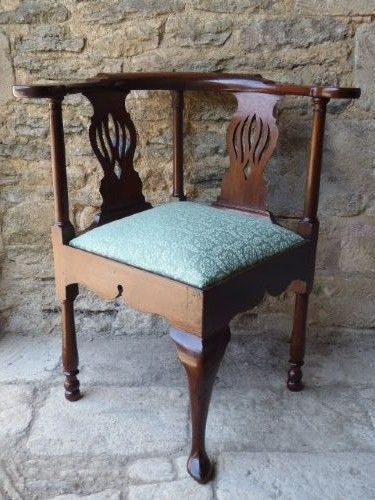
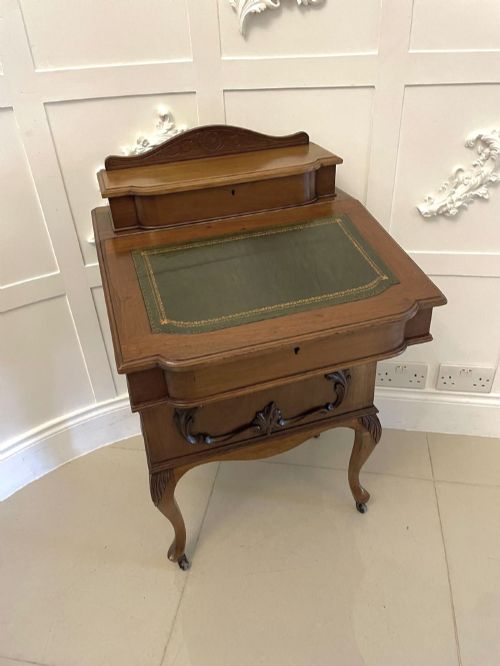
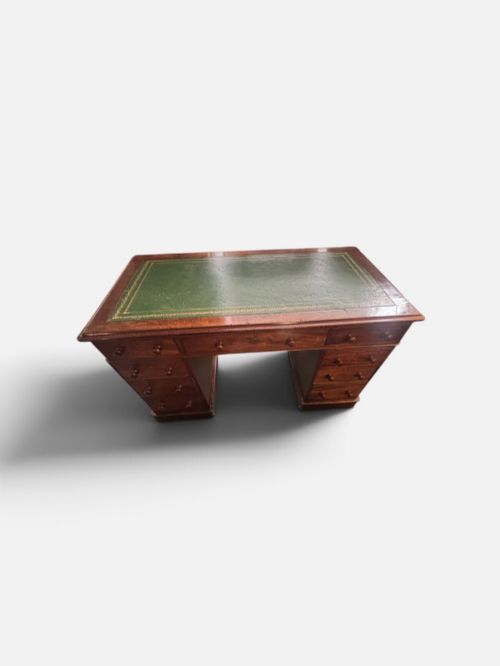
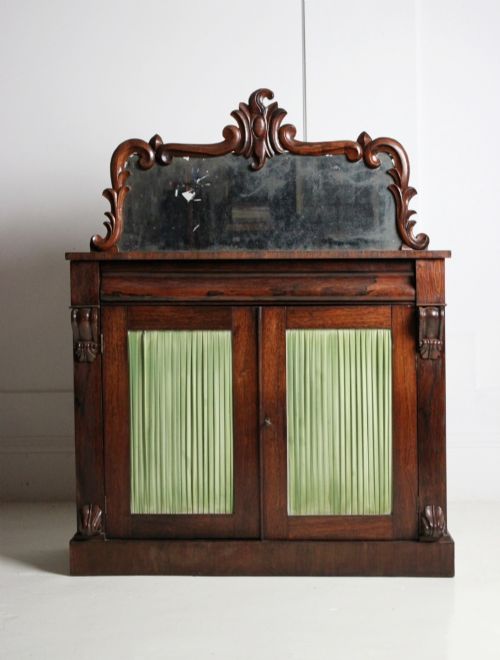
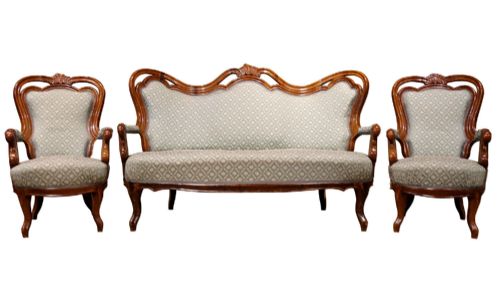
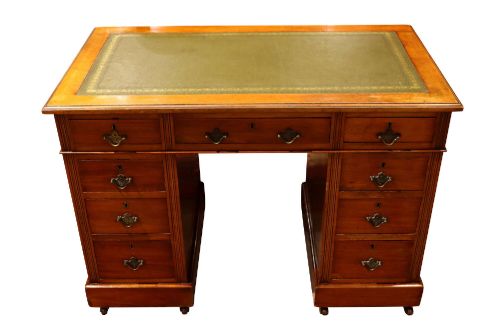
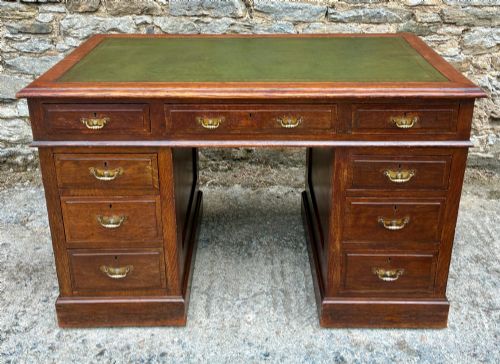
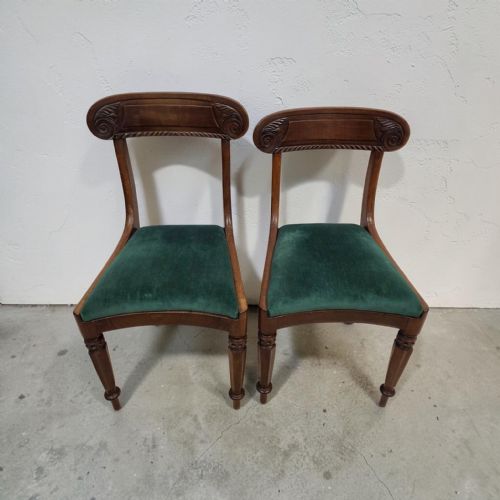
Listings span the nineteenth century, featuring oak, walnut and mahogany formed into hall benches, bookcases and desks.
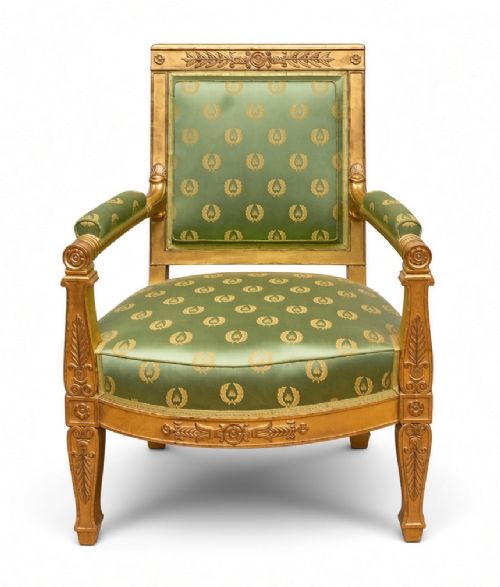
Jacob Desmalter·Pauly et Cie
The Green Carved Furniture Glossary
- Green Man
- A sculptural architectural ornament depicting a human face emerging from or made of leaves and vines. This motif recurs frequently on Victorian oak hall furniture and panels.
- Relief carving
- A sculptural technique where figures and motifs project from a flat background. The carver removes surrounding wood to leave the design raised.
- Monks bench
- A convertible piece of furniture functioning as a table with a solid top that tilts to form the back of a bench seat. These often incorporate heavy oak panels.
- Ebonised
- Timber treated with chemical stains or black finishes to imitate ebony. This treatment was popular on Victorian bookcases and decorative items.
- Pedestal desk
- A flat-topped writing table supported by two vertical pedestals containing drawers. Examples appear in walnut, mahogany and oak across various nineteenth century dates.
Green Carved Furniture: Frequently Asked Questions
What is a Green Man carving?
A Green Man carving is a decorative architectural motif showing a human face surrounded by or sprouting foliage. It symbolises rebirth and the cycle of growth.
These masks appear prominently on Victorian oak hall stands, bookcases and benches listed in this category.
How do I use a monks bench?
A monks bench serves as a seating option with a high back that pivots or tilts downward to create a flat table surface. This dual purpose suited smaller hallway spaces.
Today these items function well in entrances and boot rooms for seating and quick surface space.
What wood is most common?
Oak is the predominant timber found across these listings, favoured for its strength and suitability for deep relief carving. Walnut and mahogany also appear in specific desk and seating examples.
Solid oak provides the heavy structure needed to support elaborate folklore masks and panels.
Are these pieces strictly Victorian?
While the majority of green carved items date from the nineteenth century and the Victorian era, the listings include earlier nineteenth century examples and related oak furniture. Revival styles drew heavily on earlier historical motifs.
Checking construction details and timber wear helps distinguish the exact period of manufacture.