


Green Botanical Painted Cabinet
These green botanical painted cabinet pieces are finely decorated plates, dishes and cupboards that bring delicate floral artistry into a room.
Green Botanical Painted Cabinet
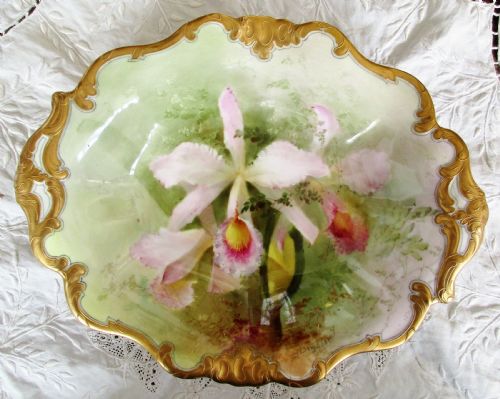
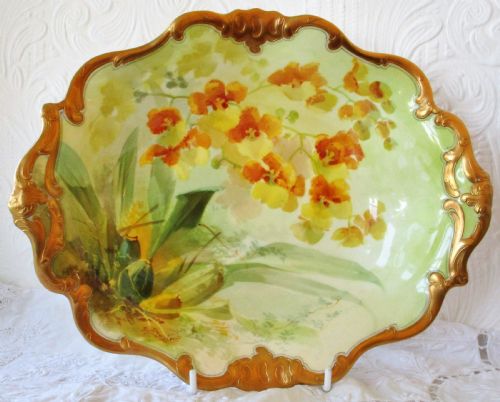
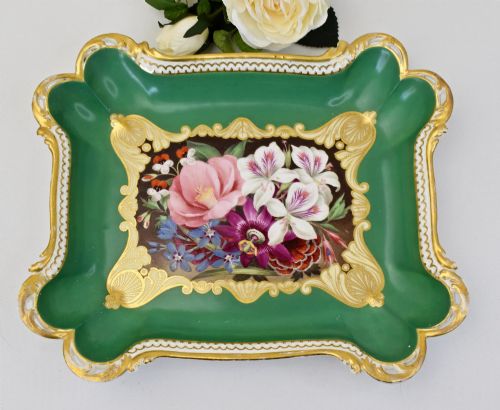
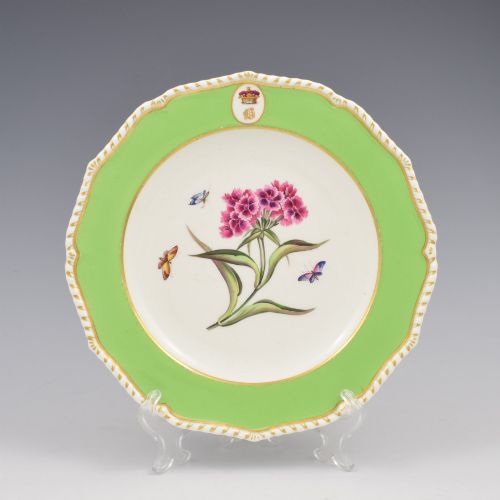
When you search for green botanical painted cabinet items, you are looking at porcelain dishes, dessert plates and single-door cupboards adorned with detailed floral and plant illustrations. The pieces on this page span several periods, from Regency and Victorian eras through to the early twentieth century, reflecting enduring botanical interests.
The most common forms you will meet here are cabinet dishes and dessert plates from English porcelain factories, alongside occasional painted wood cupboards. Makers and artists use specific botanical subjects such as orchids, lilies and sweet williams to decorate the ceramic surfaces.
These items were originally produced for display in formal reception rooms rather than everyday dining use. Today, collectors value them for their preserved hand-painted details and the specific historical periods they represent.
Materials and methods
The ceramic pieces in this selection are formed from fine porcelain and bone china, providing a smooth white ground for detailed artwork. Artisans applied hand-painted botanical scenes directly onto the glazed surfaces before firing.
Many of these items incorporate gold leaf, gilt highlights or gilding around the borders to frame the central floral paintings. Painted wood cupboards utilise traditional joinery and surface decoration techniques appropriate to their period.
Some orchids painted on these plates are so botanically accurate that nineteenth-century horticulturists could identify the exact greenhouse specimen.
Assessing quality
Quality in these botanical items rests largely upon the skill of the painter and the precision of the botanical rendering. Pieces featuring named flower varieties by recorded artists demonstrate a higher level of workshop output than standard factory decorations.
The application of gilding and gold leaf also distinguishes finer examples, where burnished gold borders remain crisp and well-defined. The weight and translucency of the porcelain or bone china further indicate the standard of manufacture.
The Green Botanical Painted Cabinet Glossary
- Cabinet Dish
- A decorative ceramic plate intended for display in a cabinet rather than for serving food. These items typically feature elaborate painted scenes.
- Bone China
- A type of soft-paste porcelain incorporating bone ash, known for its high strength and milky white appearance. It provides an ideal smooth surface for miniature painting.
- Gilding
- The application of gold leaf or gold powder to a surface for decoration. It often frames the painted botanical subjects on these plates.
- Dessert Plate
- A flat ceramic dish designed for the final course of a formal meal, frequently produced in decorative sets. Botanical examples often feature individual flower species.
- Armorial
- Bearing heraldic insignia or family crests. Some plates combine these formal motifs with botanical illustrations.
Green Botanical Painted Cabinet: Frequently Asked Questions
What is a cabinet dish?
A cabinet dish is a decorative ceramic plate made specifically for display in a glass-fronted cabinet or on a wall. These items were not meant for everyday dining.
They often feature detailed hand-painted artwork, such as botanical studies of orchids or roses, framed by gilt borders.
How do I date these plates?
Dating relies on factory marks found on the reverse of the ceramic, stylistic clues in the painting, and the specific period of the piece. Regency and Victorian examples often show distinct border designs and backstamps.
Comparing the artist signature or pattern style with known factory production periods helps narrow down the year of creation.
Were these pieces used for dining?
Most of these botanical items were created for formal display or specialised dessert services rather than routine meals. Their delicate hand-painted surfaces required careful handling.
Plates marked as cabinet dishes were particularly valued as decorative objects within nineteenth-century interiors.
How should I display them?
These pieces suit placement in traditional wall brackets, plate racks or enclosed display cabinets where they remain protected from dust and accidental knocks. Pairing them with other period ceramics enhances their visual impact.
Keeping them away from direct sunlight preserves the vibrant colours of the hand-painted floral details.