





Green Art Deco Figure
A green art deco figure brings the sharp lines and striking palette of the interwar years straight onto a shelf or mantelpiece.
Green Art Deco Figure
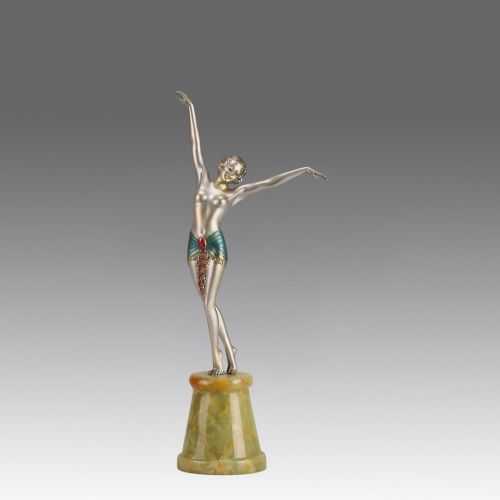
A green art deco figure embodies the aesthetic of the 1920s, 1930s, and neighbouring decades through stylised human forms, animals, and dancers. These objects appear as freestanding sculptures, desk ornaments, and bookends across this selection.
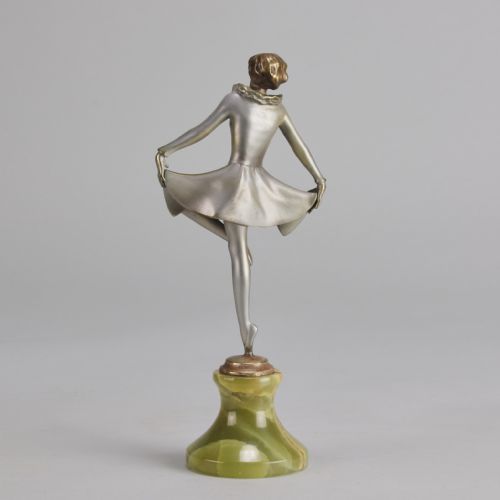
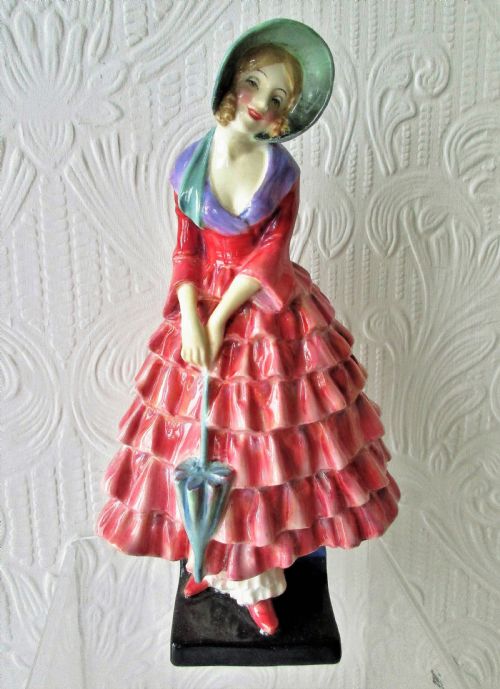
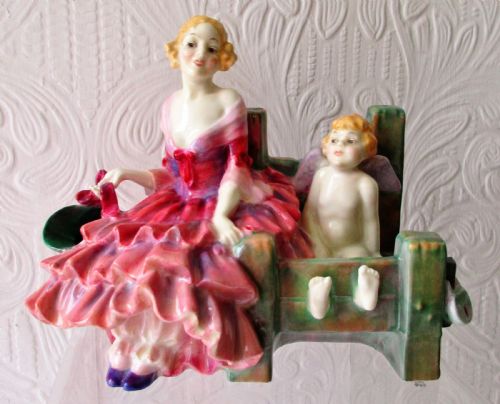
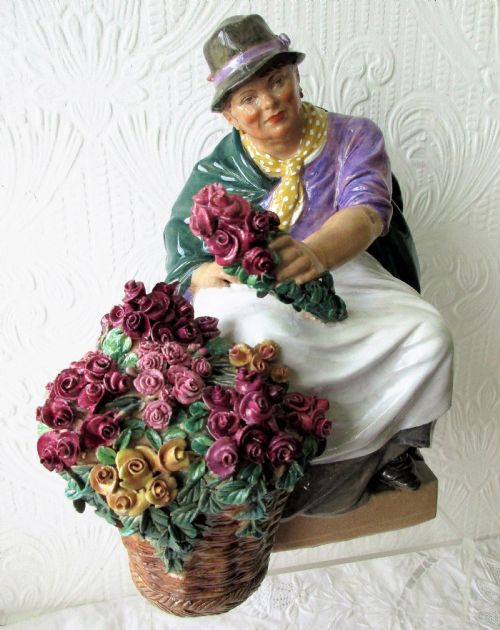
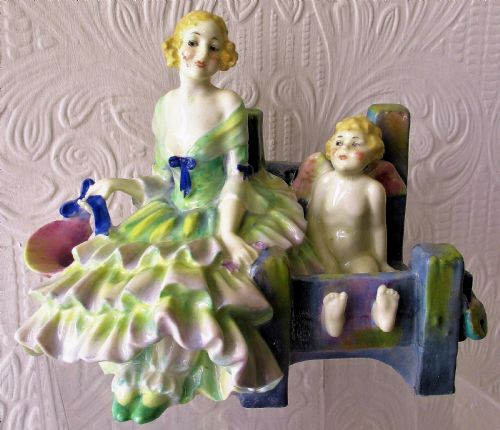
The green art deco figure frequently takes the form of ceramic ladies in vivid gowns, cold-painted bronze dancers, or spelter animals mounted on heavy stone bases. English and continental makers dominate these pieces, capturing the dynamic movement typical of the period.
Materials and construction
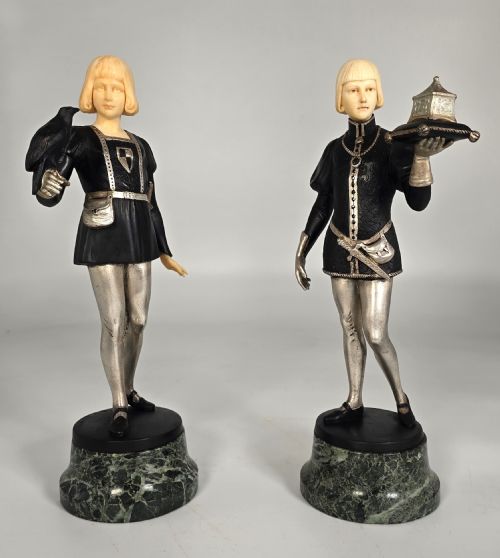
Foundries cast bronzes and spelter before applying cold-painted polychrome finishes, whilst ceramic figures relied on moulded porcelain and earthenware finished with glossy coloured glazes. Many metal sculptures required stable foundations, leading artisans to mount them securely onto plinths of black marble or onyx.
Makers combined media by pairing cast metals with carved ivory or glass components to achieve contrasting textures. Artisans utilised specialised moulding techniques to render the geometric drapery and sleek silhouettes characteristic of the era.
The listings combine materials including bronze, spelter, ceramic, porcelain, glass, onyx, and marble across pieces dated from the 1910s to the 1940s.
Assessing the craftsmanship
Quality rests upon the crispness of the casting and the preservation of the original cold-painted finish on bronzes and spelter. Finer ceramic examples display precise hand-painting beneath the glaze and clean lines without moulding seams.
The weight and selection of the supporting stone plinth, whether marble or onyx, distinguishes superior output from standard commercial production. Signatures from established sculptors and clear foundry marks elevate the standing of an individual piece.
Josef Lorenzl·Royal Doulton·Charles Vyse·Gotthilf Jaeger·P. Sega·C Masson·Mabel Lucie Attwell Shelley·Rene Andre Varnier·Ferdinand Preiss·Elizabeth Anna Clapp·Ugo Cipriani·Bruno Zach·Mario Korbel·Pierre le Faguays
The Green Art Deco Figure Glossary
- Art Deco
- A design style spanning the 1920s and 1930s characterised by streamlined geometric forms and stylised depictions of movement. It influenced sculpture, ceramics, and metalwork alike.
- Cold-Painted Bronze
- A metal sculpture technique where oil paint is applied to a cold bronze surface after casting, rather than firing it on at high temperatures. The technique requires careful handling to preserve the pigment over decades.
- Spelter
- A zinc alloy frequently utilised as a cost-effective alternative to bronze during the interwar period. It takes patination and cold-painted finishes well when cast.
- Plinth
- A heavy base, often formed of marble or onyx, that supports and anchors a sculptural figure. It provides visual weight and physical stability to the composition.
Green Art Deco Figure: Frequently Asked Questions
What is the difference between bronze and spelter?
Bronze is a robust copper alloy that accepts fine detail and holds patina securely over centuries of handling. Spelter is a softer zinc-based metal that feels lighter and was commonly used for mass-produced decorative items.
Examining the underside or mounting points often reveals the heavier weight and warmer tone characteristic of genuine bronze.
How can I date an art deco ceramic?
Inspect the base for factory backstamps, registered design numbers, and artist signatures that correspond to known production years. Stylistic cues such as clothing styles and glaze types also help narrow down the decade of manufacture.
Comparing the piece against documented catalogues from potteries confirms the active production window for that specific model.
Where should I display heavy stone bookends?
Place marble or onyx bookends on sturdy shelves or heavy wooden surfaces capable of supporting their substantial weight. Ensure the supporting furniture sits level to prevent the stone bases from tipping under pressure.
Position them to anchor a row of books securely while allowing adequate light to highlight the natural grain of the stone.