




Grapevine Cut Glass
Grapevine cut glass brings botanical motifs into Victorian service, offering heavy lead crystal and clear glass shaped for wine and spirit use.
Grapevine Cut Glass
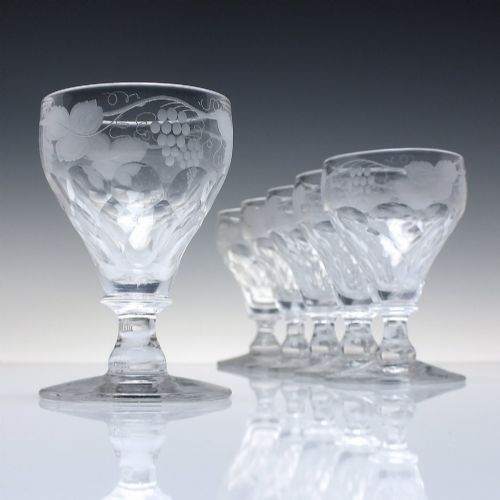
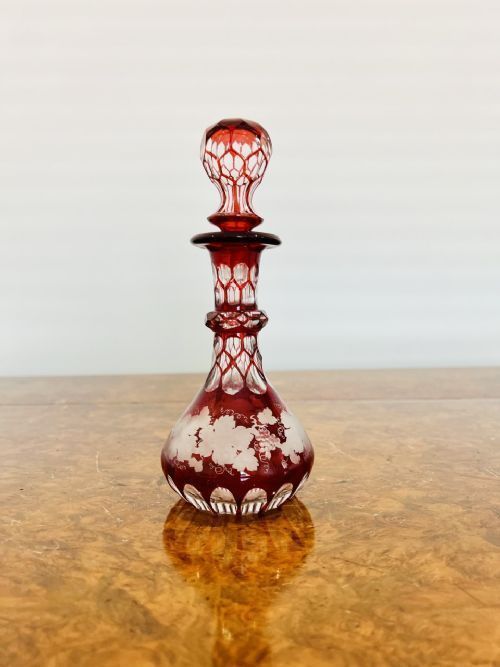
Grapevine cut glass encompasses Victorian glassware decorated with plant motifs, spanning wine jugs, claret jugs, scent bottles, and bowls.
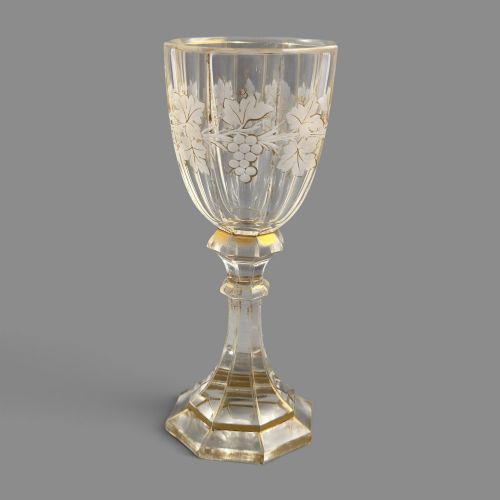
Buyers meet pieces largely from the nineteenth century, including Bohemian vessels and English silver-plated table service items from the 1850s to the 1890s.
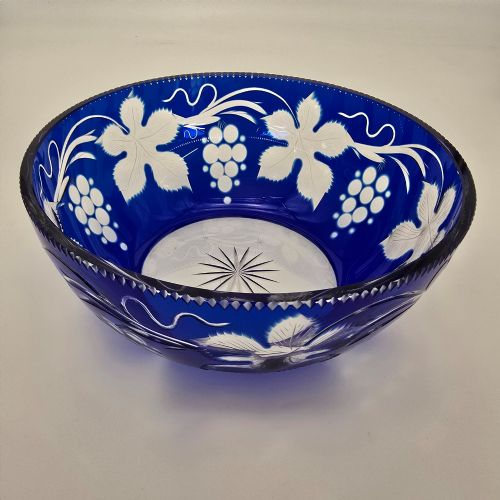
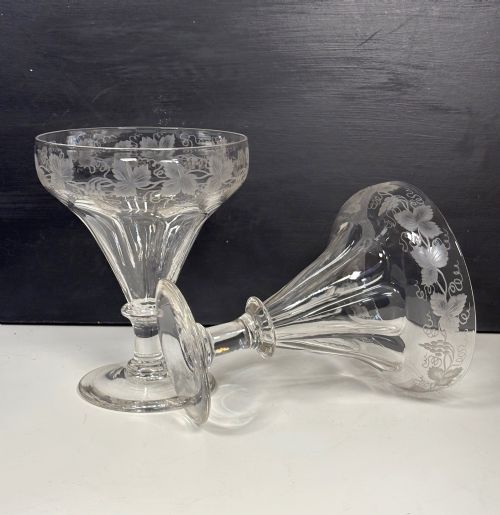
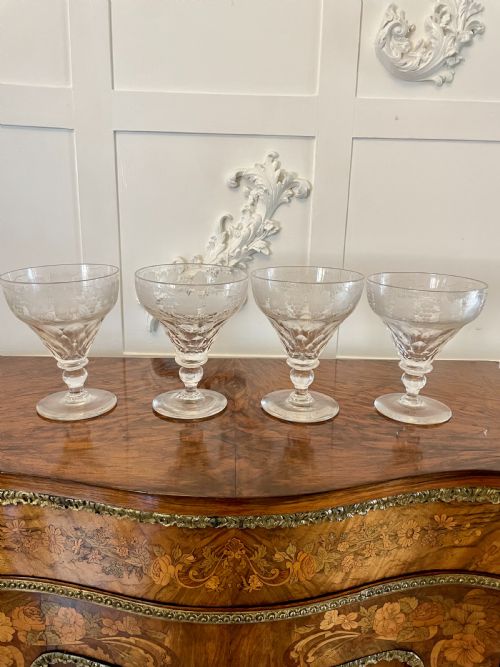
Forms vary from large display bowls in cobalt blue and clear glass to sets of dessert wine glasses and engraved Römer goblets.
How grapevine cut glass pieces were made
Makers utilised heavy lead crystal and clear glass as the foundation, often combining the material with silver plate mounts for serving vessels.
Decoration relied on engraving and etching techniques to render botanical motifs across ruby glass, cobalt glass, and clear surfaces.
Gilding highlighted details on select Bohemian vessels, adding metallic accents to the cut and engraved glassware.
Grapevine Cut Glass Retail Price Guide 2026
Typical asking prices for grapevine cut glass among the pieces listed under this phrase on Sellingantiques today, from the lower quarter to the upper quarter. They describe what is for sale here now, not the wider market.
Materials recur across clear glass, lead crystal, silver plate, and coloured glass such as cobalt and ruby.
What varies in quality
Quality depends upon the depth and precision of the engraving or etching, distinguishing sharp botanical motifs from softer surface work.
The integration of materials alters the character of the piece, particularly where silver plating meets cut glass on claret jugs and wine jugs.
The choice of body material, from standard clear glass to coloured lead crystal such as cobalt blue or ruby glass, sets different tiers within the range.
Moser
The Grapevine Cut Glass Glossary
- Lead crystal
- Heavy, high-clarity glass containing metal oxides that increase brilliance and weight. This material provides the substantial feel expected in nineteenth-century tableware.
- Claret jug
- A pouring vessel designed for red wine, usually featuring a glass body with a handle and spout made of silver plate. These items often showcase detailed etching around the neck and belly.
- Römer goblet
- A traditional German or Bohemian large wine glass featuring a decorative stem and a wide bowl. They frequently display intricate engraved botanical scenes.
- Silver plate
- A layer of silver fused to a base metal foundation, utilised for mounts, handles, and collars on glass jugs and bottles. This technique offered the appearance of solid silver for domestic service.
Grapevine Cut Glass: Frequently Asked Questions
What is grapevine cut glass?
Grapevine cut glass refers to nineteenth-century glassware decorated with etched or engraved vine motifs.
These pieces include claret jugs, scent bottles, and wine glasses created during the Victorian period.
How do you use a claret jug?
A claret jug serves wine at the dining table, featuring a pouring spout and handle.
The silver-plated mounts and glass body allow for both aesthetic display and practical decanting.
How are different periods identified?
Periods are identified through manufacturing techniques, material combinations, and stylistic traits.
Nineteenth-century examples often combine heavy lead crystal with specific Victorian etching patterns.
Can these glasses be used daily?
These historical glass items can be used with careful handling.
Hand washing protects the delicate etching and silver-plated components from wear.