



Grand Tour Glass
Grand tour glass brings home the classical sights of Italy through intricate mosaic plaques, cut crystal centrepieces, and delicate bronze vessels.
Grand Tour Glass
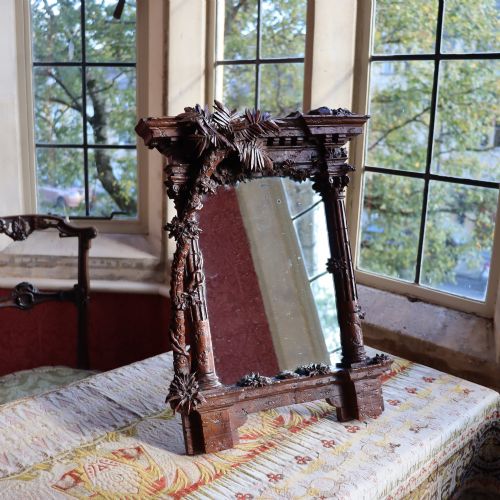
When you search for grand tour glass, you encounter 19th century souvenirs that affluent travellers brought back from their travels across Italy, particularly Rome and Venice. These items merge functional objects like inkwells, mirrors, and centrepieces with delicate glass tesserae or cut crystal.
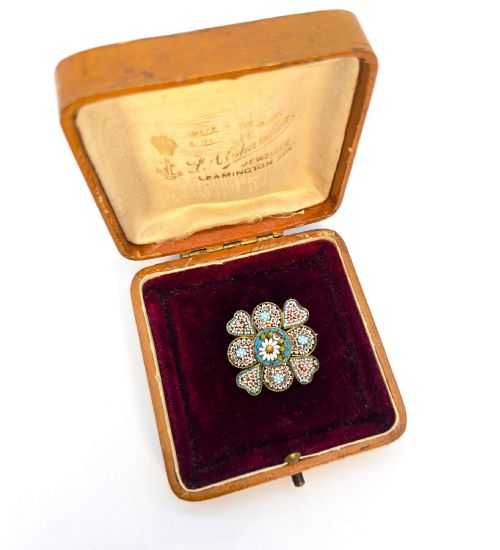
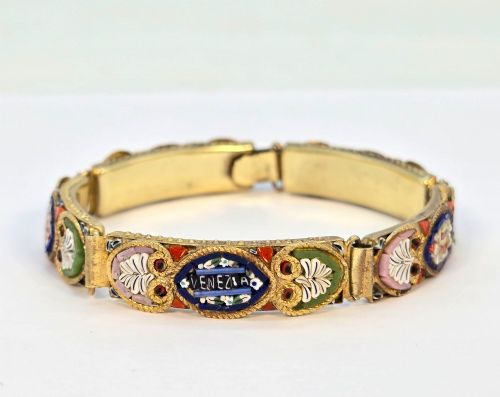
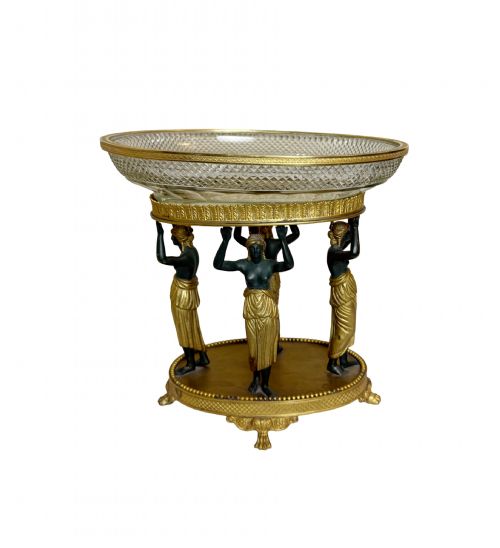
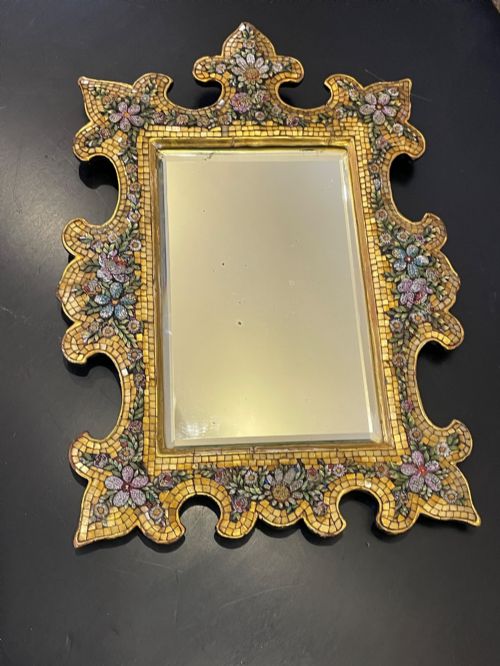
The most common forms on this page include Italian micro mosaic plaques and jewellery, alongside cut crystal centrepieces and bronze vessels fitted with glass elements. They capture classical revival styles and Victorian tastes, often referencing ancient ruins and motifs.
Each piece serves as a physical record of the European journey, combining fine metalwork such as gilt bronze or yellow gold with meticulous glasswork. Collectors seek them out for their intricate detail and their direct connection to 19th century travel traditions.
Materials and construction
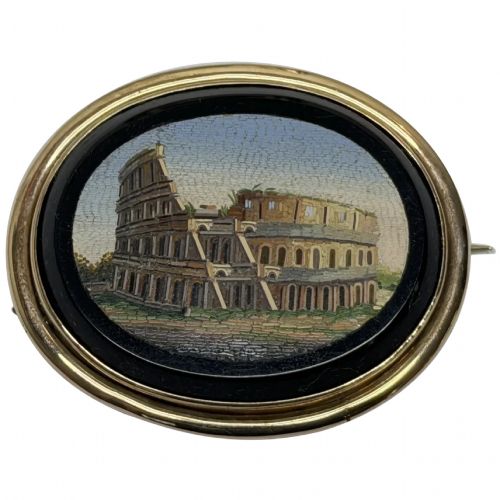
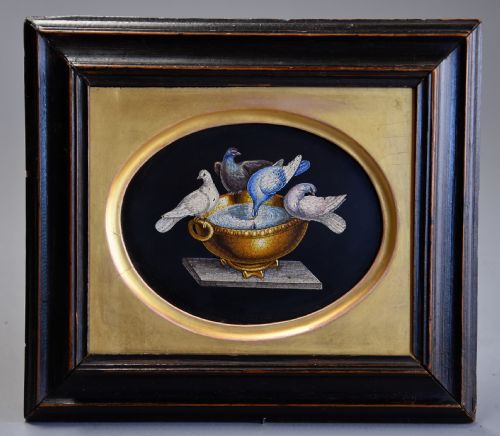
Makers constructed these items using microscopic glass tesserae fused together to form detailed pictorial scenes, set within frames or mountings of yellow gold, brass, or ebonised wood. This mosaic work required immense patience and skill to depict classical subjects like the Roman Colosseum or the Doves of Pliny.
Cut crystal and glass amphoras were shaped and polished before being combined with gilt metal, bronze, or gilt wood mountings. These structural elements provided the necessary weight and classical silhouette for centrepieces, inkwells, and tripod Atheniennes.
Grand Tour Glass Retail Price Guide 2026
Typical asking prices for grand tour glass among the pieces listed under this phrase on Sellingantiques today, from the lower quarter to the upper quarter. They describe what is for sale here now, not the wider market.
Listings feature 19th century items incorporating glass tesserae, cut crystal, and gilt metal across forms such as brooches, centrepieces, and mirrors.
What sets finer pieces apart
Quality in these objects rests upon the density and precision of the glass tesserae within the micro mosaic plaques. Finer examples display an extraordinary number of minuscule glass pieces per square inch, creating smooth tonal gradations and sharp architectural lines.
The sophistication of the metal mountings also distinguishes the range, where cast bronze, gilt metal, and yellow gold detailing show crisp chasing and secure settings. The integration between the glass components and their metal or wooden frames determines the overall refinement of the piece.
The Grand Tour Glass Glossary
- Micro mosaic
- A technique using tiny coloured glass rods, known as smalti, melted and pulled to create microscopic threads that form pictorial scenes when assembled. This painstaking method defines the finest Italian souvenir plaques and jewellery.
- Glass Tesserae
- Individual small square or irregular blocks of coloured glass used to construct mosaic imagery. The uniformity and size of these tesserae indicate the skill involved in the creation.
- Cut Crystal
- Glass that has been shaped by cutting facets or patterns into its surface to enhance brilliance and light refraction. It frequently forms the heavy bowls and inkwell bodies of grand tour desk accessories.
- Athenienne
- A neoclassical decorative stand or tripod vessel inspired by ancient archaeological finds. These bronze and metal frames often hold glass amphoras or basins.
- Classical Revival
- An artistic movement drawing direct inspiration from the art and architecture of ancient Greece and Rome. Grand tour pieces rely heavily on these motifs to appeal to Victorian travellers.
Grand Tour Glass: Frequently Asked Questions
How were micro mosaics made?
Micro mosaics were created by fusing tiny glass threads, called tesserae, into a mastic bed within metal or stone frames. Artisans built up complex pictorial scenes of ruins, doves, or landscapes through this microscopic assembly.
The resulting panels were then mounted into jewellery, frames, or decorative tablets for travellers.
Where do these pieces originate?
The majority of these items originate from 19th century Italian workshops, particularly in artistic centres like Rome and Venice. They were purchased by Victorian tourists journeying through Europe.
Local artisans catered specifically to this travel trade by producing portable art objects and jewellery.
How do I care for my piece?
Care requires keeping glass and mosaic components away from moisture and harsh cleaning agents that could destabilise the old backing or metal settings. Dusting gently with a soft, dry cloth preserves the delicate surfaces.
Protecting gold, bronze, and gilt metal mounts from humidity ensures the structural integrity of the piece.