





Grand Tour Decor
Grand tour decor brings the classical world home through bronze sculptures, marble obelisks and framed intaglios collected during historic travels.
Grand Tour Decor
Grand tour decor encompasses the souvenirs and classical objects acquired by travellers exploring European cultural centres during the nineteenth century. These pieces reflect a fascination with antiquity, encompassing mythological figures, classical architecture and historical replicas.
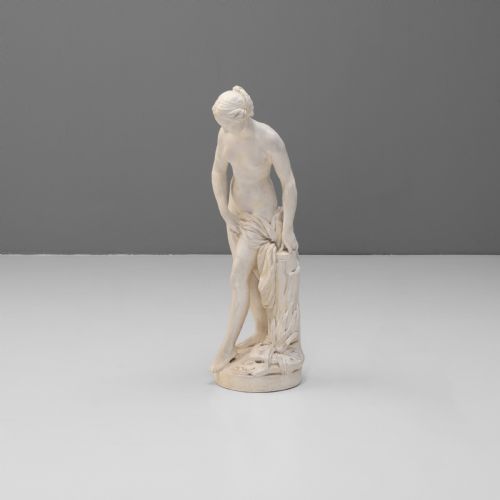
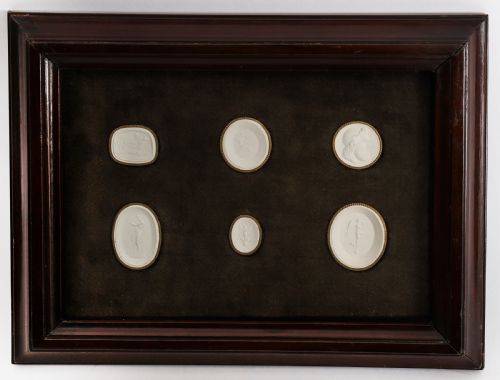
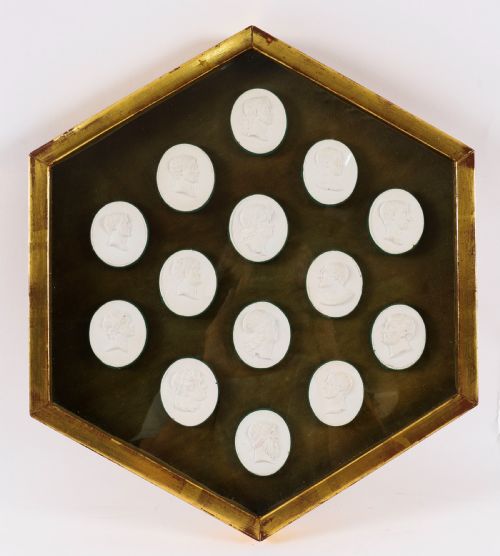
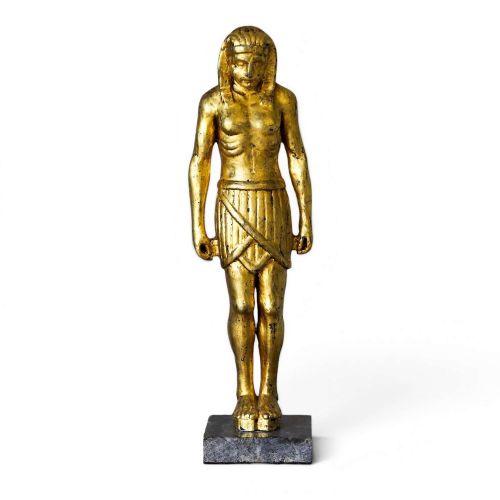
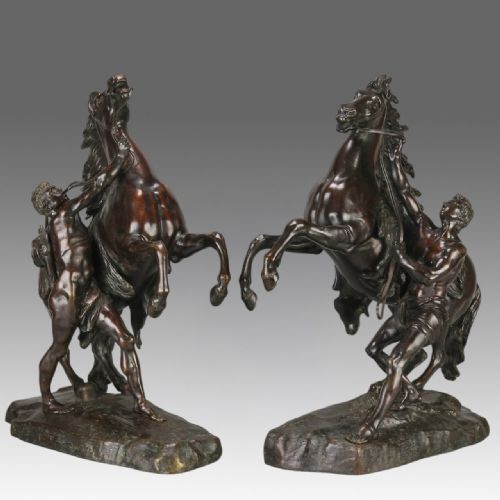
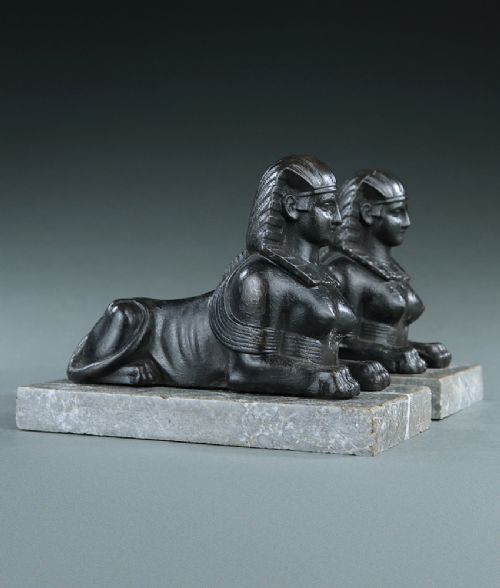
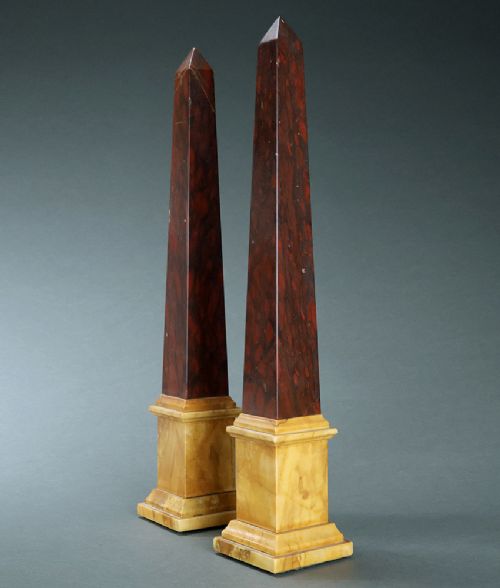
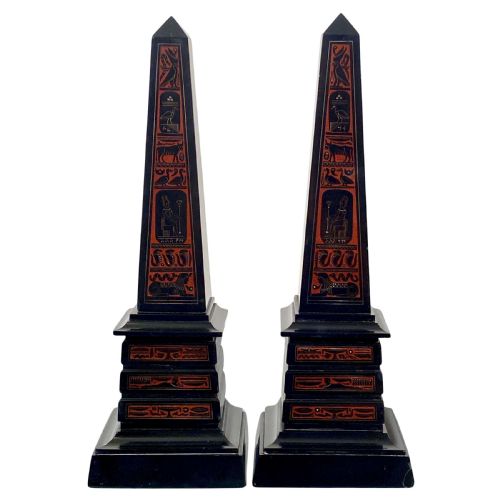
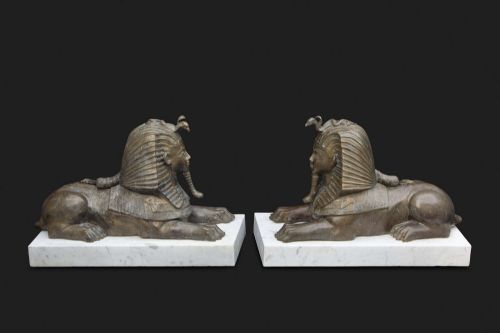
The objects appearing most frequently on this page include bronze sculptures of horses and philosophers, marble and granite obelisks, and framed collections of classical intaglios. Buyers also encounter decorative urns, tazzas, and Egyptian revival figures mounted on stone plinths.
Originating predominantly from Italian and French workshops, these items span the nineteenth century alongside later twentieth-century interpretations. They bridge the gap between educational study and decorative display in domestic interiors.
Materials and construction
Foundry-cast bronze and gilt bronze form the backbone of these figurative works and decorative vessels, often hand-finished with fine chiselling and patination. Artisans paired these metal elements with heavy stones such as Carrara marble, rouge griotte, and granite for stable bases.
Lapidary techniques define the stone elements, utilising specimen marbles and pietra dura inlay to create smooth obelisks, tazzas, and decorative paperweights. Plaster, wood, velvet, and glass appear in framed intaglio collections and display pieces, preserving delicate miniature artworks.
Grand Tour Decor Retail Price Guide 2026
Typical asking prices for grand tour decor among the pieces listed under this phrase on Sellingantiques today, from the lower quarter to the upper quarter. They describe what is for sale here now, not the wider market.
Judging quality in grand tour pieces
The crispness of the casting and the depth of the subsequent chasing separate superior bronze sculptures from routine commercial reproductions. Fine examples retain sharp facial expressions, muscular definition, and clean drapery folds without surface pitting.
Material selection and assembly drive the distinction in architectural items like obelisks and vases. Dense, unblemished marbles paired with accurately proportioned metal mounts indicate superior craftsmanship by skilled lapidaries and bronze-workers.
Giovanni Liberotti·Coustou
The Grand Tour Decor Glossary
- Intaglio
- A gemstone, glass paste, or shell carved with a sunken design so that an impression can be made in relief. These miniature carvings were frequently collected in sets and mounted in framed displays.
- Obelisk
- A tall, four-sided, narrow tapering monument which ends in a pyramid-like shape at the top. In grand tour decor, these are typically executed in marble or bronze.
- Pietra dura
- An artistic technique of using cut and fitted, highly polished coloured stones to create images. It appears on specimen plaques and decorative objects.
- Tazza
- A shallow cup or bowl mounted on a stem and foot, originating from classical pottery and metalwork. These decorative vessels were often rendered in antique marble.
- Shabti
- A funerary figurine used in ancient Egyptian religion, reproduced during the nineteenth-century revival periods in wood, gilt, or stone.
Grand Tour Decor: Frequently Asked Questions
What is grand tour decor?
Grand tour decor comprises antique sculptures, architectural models, and decorative objects collected by travellers touring the classical sites of Europe during the nineteenth century. These items served as both educational trophies and sophisticated home ornaments.
Today, the category embraces bronze figures after ancient models, specimen marble obelisks, and framed classical intaglios. They bring a distinct neoclassical aesthetic to interior spaces.
How were bronze sculptures made?
Bronze sculptures from this period were typically produced using the lost-wax casting method or sand-casting techniques. Skilled artisans then refined the raw metal surfaces through chasing, filing, and applying chemical patinas.
Many of these bronzes were cast after famous antique or Renaissance statues found in European museums. The resulting works were mounted on marble or wooden plinths for display.
How do I identify Egyptian revival pieces?
Egyptian revival pieces feature distinct motifs drawn from pharaonic art, including sphinxes, obelisks, shabtis, and stylized hieroglyphic decorations. These items gained immense popularity during the nineteenth century following major archaeological discoveries.
Materials often include black marble, rouge griotte, gilt bronze, and cast iron. They combine ancient architectural forms with Victorian decorative standards.
How should I care for marble and bronze?
Bronze objects require dusting with a soft, dry cloth and benefit from occasional gentle cleaning to preserve the patina. Avoid using harsh chemical polishes that can strip the historical surface finish.
Marble surfaces should be wiped with a damp cloth and mild soap, ensuring no moisture lingers in crevices or porous stone areas. Protect stone bases from scratching by using appropriate padding beneath heavy objects.