




Grand Tour Carved Urn
These grand tour carved urn pieces are tactile souvenirs of classical antiquity, sought after for bringing scholarly elegance and sculptural form to a room.
Grand Tour Carved Urn
A grand tour carved urn embodies the classical tastes of travellers exploring Italy during the eighteenth and nineteenth centuries. You encounter these pieces primarily as marble, alabaster or bronze vessels fashioned after ancient models.
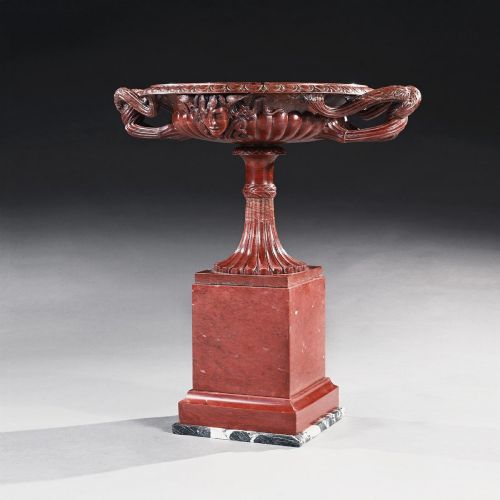
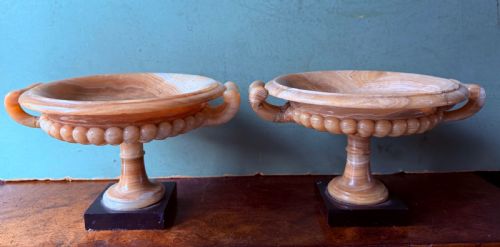
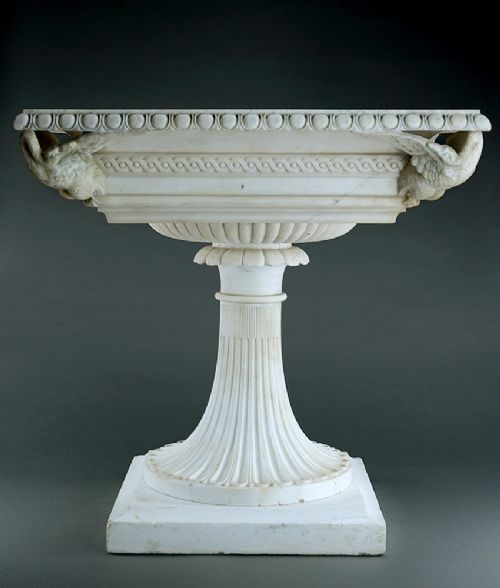
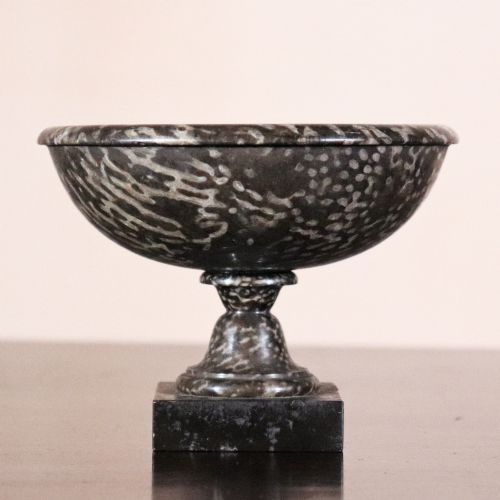
The selection here encompasses various decorative forms including tazzas, campana urns, pedestal bowls and classical vases. Most examples date from the nineteenth century, drawing heavily on Neoclassical design principles.
Originating largely as Italian souvenirs, these vessels range from smaller scale decorative objects to monumental proportions. They frequently combine contrasting coloured stones like rosso antico, sienna and white marble on dedicated bases.
Materials and carving techniques
The makers utilised a variety of dense stones such as alabaster, malachite, serpentine and different coloured marbles. These materials were carefully selected for their rich veining and polished to a smooth finish that echoes ancient artefacts.
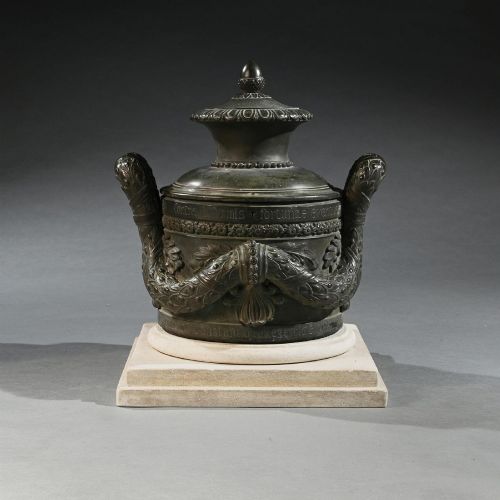
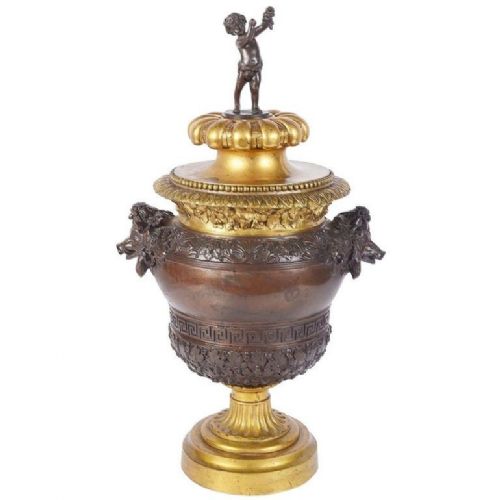
Bronze components and ormolu mounts were cast and chased to complement the stone bodies. Skilled artisans employed traditional carving and turning methods to shape solid mineral blocks into vessels, tazzas and ewers after the antique.
Listings feature nineteenth-century materials including white marble, rosso antico, alabaster and cast bronze.
Distinctions in craftsmanship and material
Quality rests upon the selection and figuration of the marble or alabaster, with richly figured stones and harmonious colour combinations marking out superior examples. The crispness of the carving and the fidelity to ancient classical prototypes also distinguish the work.
The presence of fine cast bronze elements, Latin inscriptions or specific marble varieties such as rosso antico elevates an object. Proportion and scale further divide standard souvenir pieces from monumental architectural vessels.
Benedetto Boschetti
The Grand Tour Carved Urn Glossary
- Tazza
- A shallow bowl on a pedestal foot, frequently utilised as a decorative centrepiece in neoclassical interiors.
- Campana urn
- A bell-shaped vessel with outward-curving rims, modelled after ancient garden and funerary pottery.
- Rosso antico
- A deep red marble prized by Italian lapidaries for replicating ancient statuary stone.
- Alabaster
- A fine-grained, translucent mineral carved into vases and architectural models during the grand tour period.
- Ormolu
- Gilded bronze mounts applied to decorative vessels to provide rich metallic contrast against stone.
Grand Tour Carved Urn: Frequently Asked Questions
How were these urns used originally?
Travellers collected them to display a classical education and a refined appreciation for antiquity within their homes.
They served primarily as ornamental table centrepieces, mantel decorations and sculptural focal points.
Where do these pieces originate?
The majority of these items originate from Italian workshops catering to foreign visitors on the grand tour.
Artisans in centres like Rome worked local stone and marble into portable antiquities.
How do I care for marble and alabaster?
Keep these stone vessels away from direct moisture and clean them gently with a dry or barely damp microfibre cloth.
Avoid harsh chemical cleaners that can etch polished marble surfaces or dull softer alabaster.