





Grand Gold Mirror
A grand gold mirror brings immediate light and scale to a room, drawing the eye with rich gilt surfaces and impressive proportions.
Grand Gold Mirror
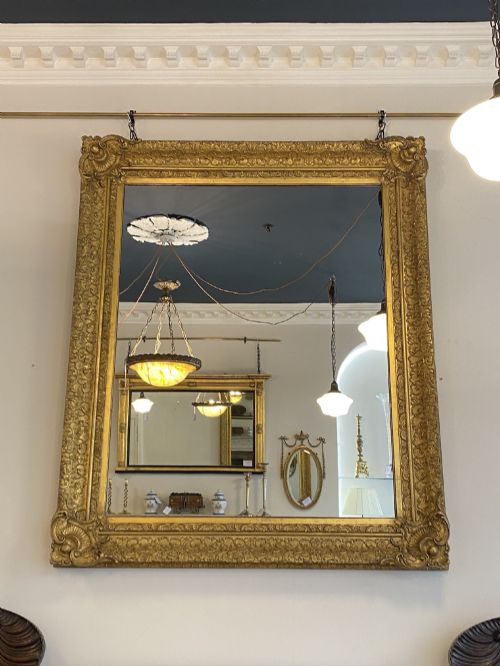
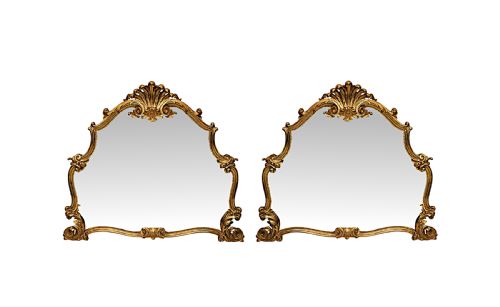
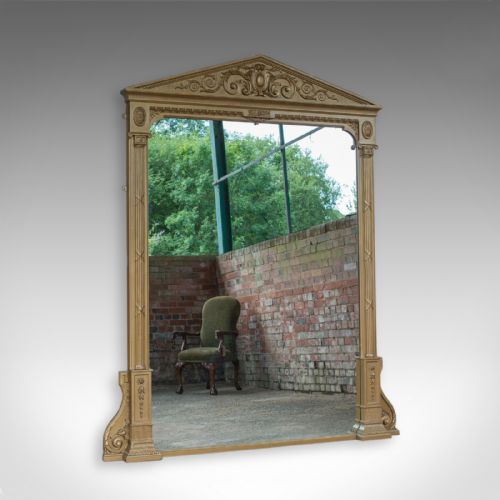
A grand gold mirror commands attention through generous proportions and striking gilded frames, serving as a focal point in traditional interiors. These substantial pieces frequently take the form of overmantel mirrors designed to sit above a fireplace, or large wall mirrors intended for principal reception rooms.
The selections available here span significant historical periods, running from eighteenth-century Georgian and Neoclassical creations through to nineteenth-century Victorian interpretations. Buyers frequently encounter impressive overmantel mirrors alongside substantial circular giltwood pieces and Italianate designs.
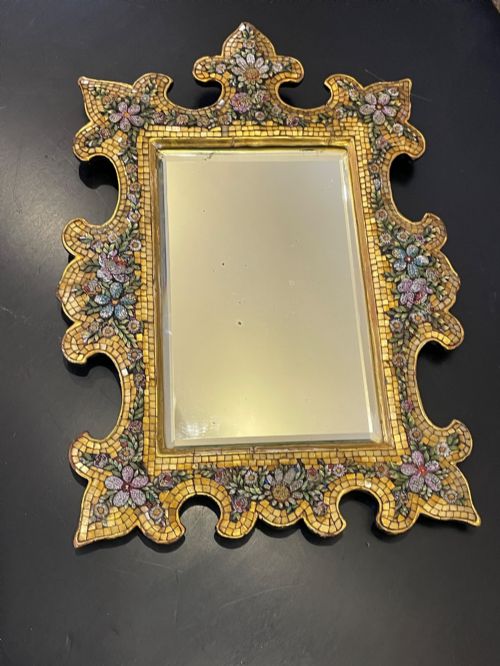
Origins vary across English and continental workshops, encompassing Venetian micro mosaic work, French Chateau aesthetics, and Italian Grand Tour influences. Each piece reflects the decorative ambitions of its era, combining scale with intricate surface ornamentation.
Materials and construction methods
Makers constructed the structural frames of a grand gold mirror using carved woods such as oak or softwoods, upon which they applied layers of gesso to create smooth sculptural details. Artisans then meticulously applied gold leaf or gilt finishes over the prepared surfaces to achieve a luminous metallic sheen.
Mirror glass of the period was set within these heavy frames, occasionally accompanied by oil paint on canvas panels in trumeau configurations. Carved wooden elements and applied composition ornaments provided the high-relief decoration characteristic of Rococo Revival and Neoclassical styles.
Grand Gold Mirror Retail Price Guide 2026
Typical asking prices for grand gold mirror among the pieces listed under this phrase on Sellingantiques today, from the lower quarter to the upper quarter. They describe what is for sale here now, not the wider market.
Certain nineteenth-century mirrors feature hidden structural quirks behind their heavy frames, reminding us that past craftsmen built these massive items to outlast their creators.
Factors of quality and craftsmanship
Quality reveals itself in the depth and crispness of the wood carving and gesso work, where master hands achieved sharp relief rather than soft, muddy contours. Superior examples display harmonious proportions between the heavy frame and the reflective glass plate.
The integrity of the original gilding and the preservation of the antique mirror glass significantly influence the character of the piece. Finer items retain their authentic surface patination without aggressive later re-gilding that obscures the original hand-carved details.
The Grand Gold Mirror Glossary
- Giltwood
- Wood carved and subsequently coated with gold leaf or metal leaf. This traditional finish provides the brilliant metallic surface characteristic of fine antique mirrors.
- Gesso
- A plaster-like mixture applied to wood frames to create a smooth surface for carving and gilding. It allows for intricate relief ornamentation.
- Overmantel mirror
- A large mirror specifically proportioned to hang on the wall directly above a fireplace mantel. These pieces were often designed to reflect light downwards into the room.
- Trumeau mirror
- A decorative mirror incorporating a painted panel or artwork directly above the glass plate. Originating in France, these pieces served as permanent wall decorations.
- Neoclassical
- A style drawing inspiration from classical antiquity, featuring restrained symmetry, urn motifs, and crisp architectural lines. It dominated design during parts of the eighteenth and nineteenth centuries.
Grand Gold Mirror: Frequently Asked Questions
Where should I hang a large gilt mirror?
These substantial mirrors naturally anchor a main reception room, most traditionally positioned above a fireplace mantel as an overmantel. They also function effectively on a primary blank wall to expand the visual space and amplify natural light.
Ensure the wall structure can support considerable weight, as heavy carved wood and thick glass require robust fixings. Professional installation is strongly recommended for grand scale pieces.
How do I identify a nineteenth-century gilt mirror?
Examine the construction of the wooden frame and the composition of the gesso layers at the reverse or unpainted joints. Nineteenth-century pieces often reflect Victorian, Rococo Revival, or Italianate design vocabularies.
Look closely at the mirror glass for signs of age, such as slight oxidation or foxing, which corroborate the historical period. Hand-carved elements paired with gesso ornamentation typical of the eighteen-fifties and sixties further confirm the era.
What is the difference between an overmantel and a wall mirror?
An overmantel mirror is specifically shaped to fit the horizontal expanse above a fireplace, often featuring landscape proportions. Standard wall mirrors may be vertical, circular, or square, designed for general placement around a home.
While both utilise giltwood and gesso frames, overmantels were historically engineered to coordinate directly with interior architectural mantelpieces.
How should I clean antique gilt frames?
Dust the carved wooden frame gently with a very soft, dry brush to prevent accumulation without disturbing the delicate gold leaf surface. Avoid using chemical sprays, water, or commercial polishes, which can strip or discolour fragile historical gilding.
For the mirror glass itself, apply a minimal amount of glass cleaner to a cloth rather than spraying directly onto the glass, preventing liquid from seeping behind the plate.