




Grand Gilt Wall Mirror
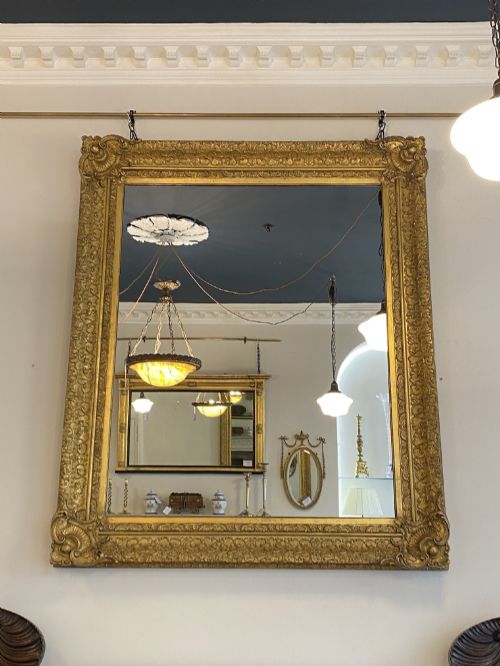
A grand gilt wall mirror commands a room, bringing light and scale through its gilded surface.
Grand Gilt Wall Mirror
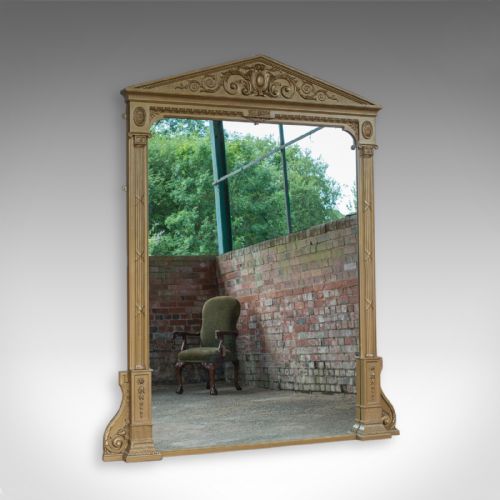
When you search for a grand gilt wall mirror, you encounter substantial statement pieces designed to dominate a high-ceilinged interior. The selection here leans heavily towards nineteenth-century overmantel mirrors and tall pier mirrors, alongside eighteenth-century Georgian and Neoclassical examples.
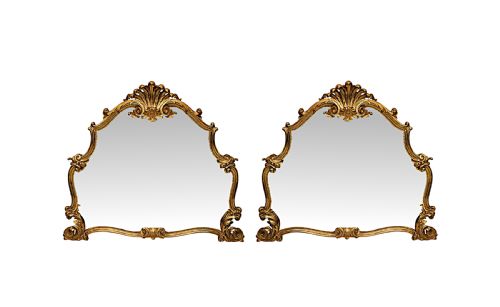
These pieces arrive in various striking formats, from massive rectangular overmantels with trumeau panels to circular convex glasses and grand Italianate wall mirrors. Most pieces combine considerable height and width, often reflecting classical French Chateau or Rococo Revival tastes.
You will find English and Italian workshops represented among the items, showing styles that range from severe Empire walnut frames to exuberantly carved giltwood and gesso. Each mirror serves as an architectural anchor for a principal room, originally placed above a fireplace or between large windows.
Materials and construction
The foundation of these frames typically relies on carved wood, often oak or softwoods, built to withstand the immense weight of large sheets of mirror glass. Artisans applied layers of gesso over the carved wooden structure to create a smooth, responsive surface for gilding.
Gold leaf or liquid gold finish was then meticulously applied over the gesso, sometimes combined with black paint accents to highlight the depth of the carving. In certain continental and Empire examples, materials such as marble and bronze enrich the overall composition alongside the primary wooden frame.
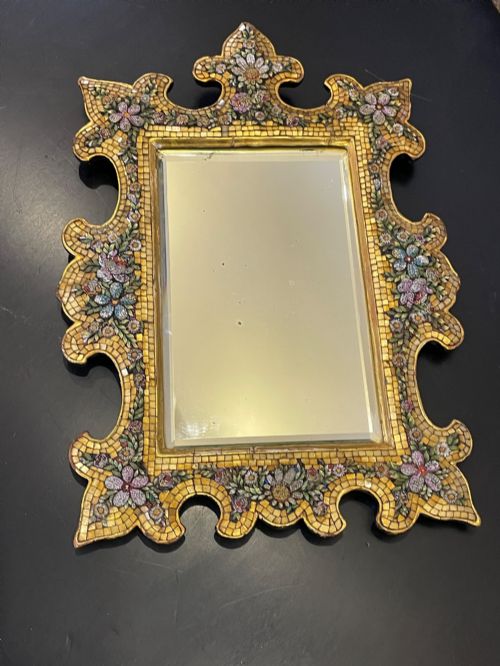
One exceptional nineteenth-century mirror includes an Italian micro-mosaic panel, proving that some makers simply could not resist adding tiny stone tiles to their frames.
Assessing quality
Quality in a grand gilt wall mirror rests upon the crispness and depth of the original hand-carved ornamentation within the wood and gesso. Superior examples display sharply defined motifs and harmonious proportions, whereas lesser pieces rely on simpler, flatter mouldings.
The integrity of the gilding and the preservation of the original mirror plate further separate standard domestic items from exceptional salon-scale pieces. Heavier framing timbers and sophisticated architectural elements, such as integrated trumeau oil paintings or micro-mosaic panels, indicate a higher grade of workshop production.
The Grand Gilt Wall Mirror Glossary
- Giltwood
- Wood that has been coated with gold leaf. This material forms the primary aesthetic and structural surface for the majority of large nineteenth-century mirrors.
- Gesso
- A plaster-like mixture applied to wood frames. Artisans use this substance to build up intricate relief decorations before applying gold leaf.
- Overmantel Mirror
- A large mirror designed specifically to hang above a fireplace mantelpiece. These pieces often feature wide horizontal formats or grand vertical scales to fill the wall space.
- Trumeau
- A decorative wall panel or mirror incorporating a painted scene or artwork above the glass. Georgian and nineteenth-century makers utilised this French style for formal reception rooms.
- Pier Mirror
- A tall mirror intended to hang on the wall space between two windows. These items are typically narrow and exceptionally tall to maximise reflected light.
Grand Gilt Wall Mirror: Frequently Asked Questions
How do I hang a heavy gilt mirror safely?
Large antique mirrors carry substantial weight from their wooden frames and thick glass plates. Professional wall fixings secured directly into structural masonry or heavy timber studs are essential.
Weight distribution requires robust brackets that support the base while hanging wire or heavy-duty D-rings secure the top of the frame firmly against the wall surface.
Where should I place an overmantel mirror?
These mirrors find their traditional home directly above a drawing room or dining room fireplace mantel. Their scale allows them to draw light across the room and reflect decorative elements from the opposite wall.
Ensure the mantelpiece can support the lower edge of the frame, or mount the piece securely just above the mantel shelf to anchor the visual weight of the fireplace.
How do I clean antique giltwood frames?
Dusting requires a soft, dry brush or a feather duster to remove loose particles without disturbing delicate gesso or gold leaf layers. Avoid all liquid cleaners and commercial polishes, as moisture damages traditional water gilding.
Professional conservators should handle any structural cleaning or restoration of the gilded surface to preserve the historical integrity of the piece.
What is the difference between Georgian and Victorian mirrors?
Georgian mirrors frequently display restrained Neoclassical symmetry or balanced architectural proportions derived from classical antiquity. Their carving is typically precise and structural.
Victorian interpretations often embrace heavier revival styles, such as Rococo or Italianate tastes, featuring exuberant decoration, massive scales, and darker painted or gilded contrasts.