
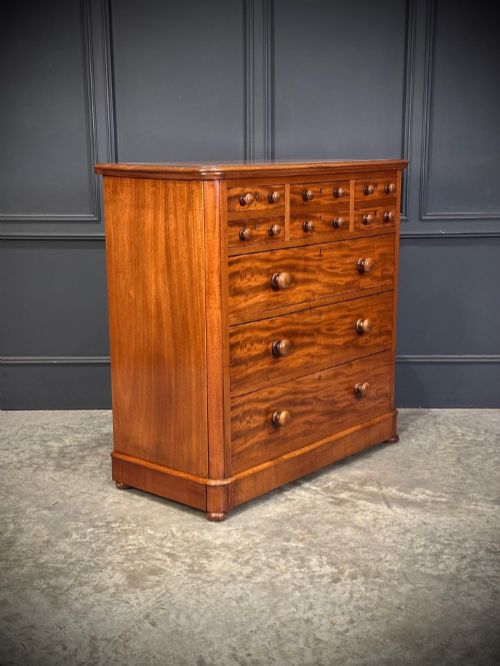
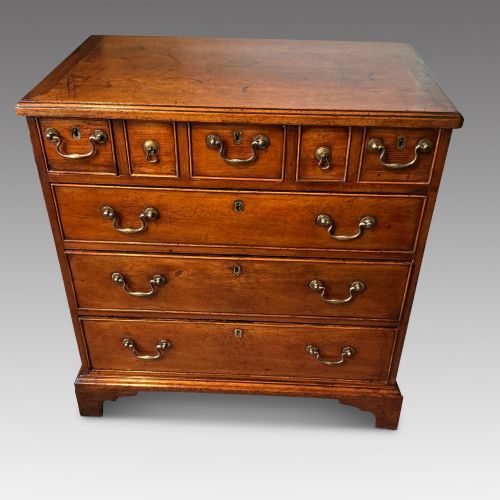
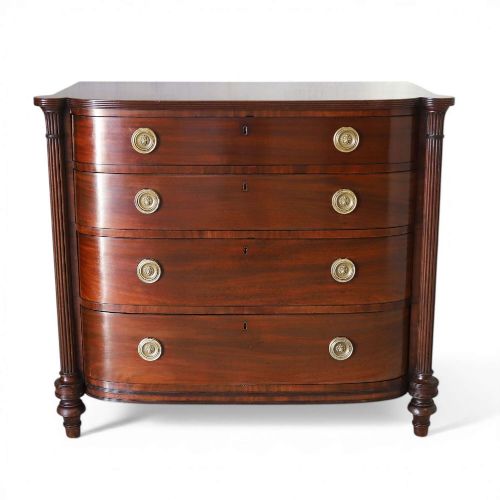
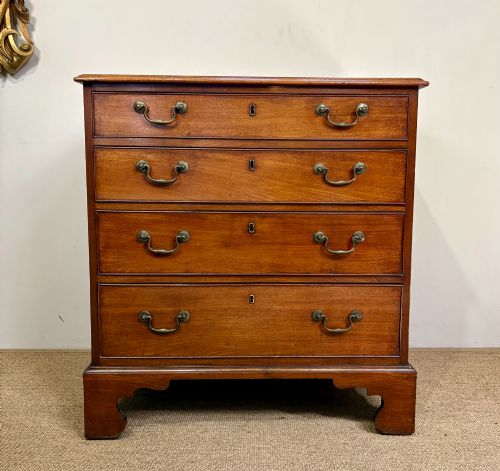




Graduated Chest Drawers
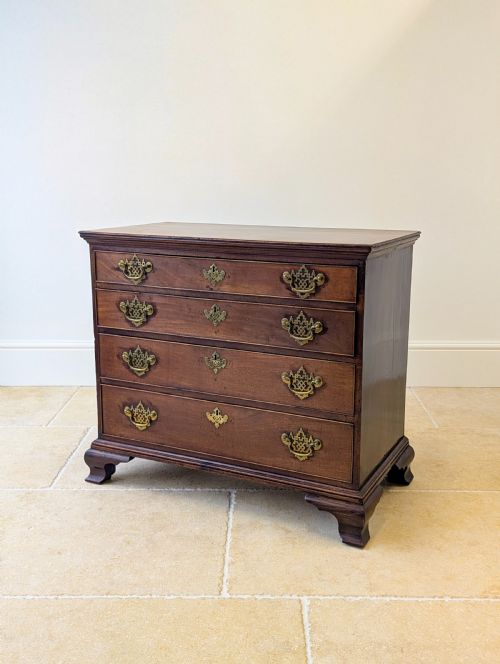
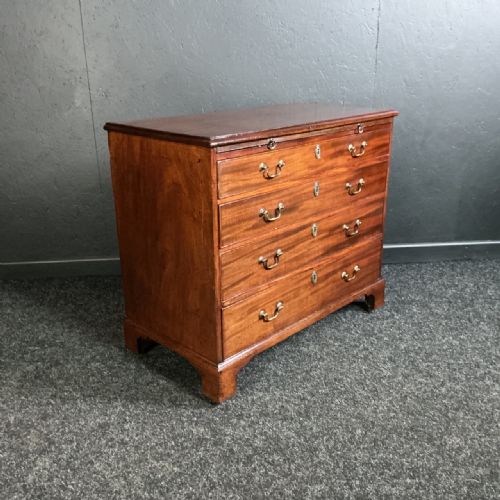
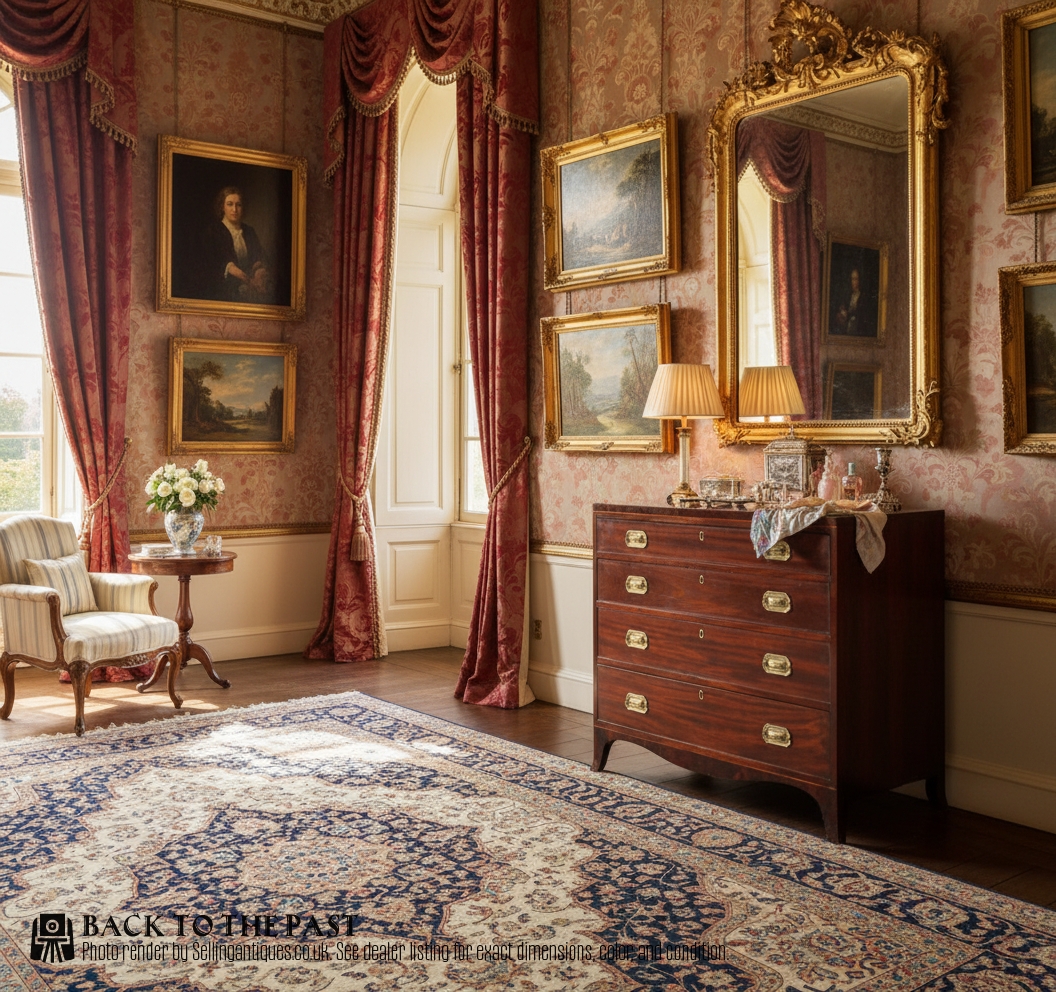
A graduated chest drawers offers proportioned storage, stepping down from deep base drawers to shallower upper tiers with a pleasing rhythm.
What these pieces are
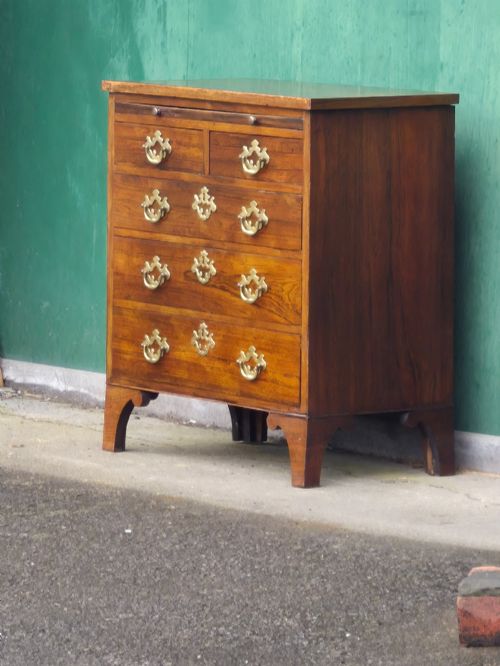
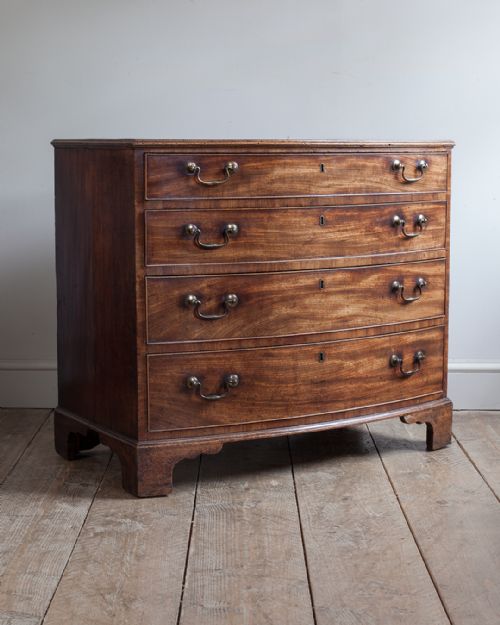
A graduated chest drawers uses diminishing drawer depths from bottom to top, a design principle seen across the 18th century, Victorian era, and Regency period. These storage pieces appear in forms such as bow-fronted designs, tall narrow formats, and small proportions suited to compact spaces.
The evidence shows examples in standard chests of drawers, dressing chests, and specialist collector or Wellington formats. Scottish Regency and Georgian pieces sit alongside later Victorian and Edwardian iterations.
Mahogany dominates the surviving record, appearing in plain, figured, and flame varieties alongside oak, walnut, satin birch, and painted finishes. Brass handles and iron mechanisms complete the hardware across the surviving pieces.
How they were made
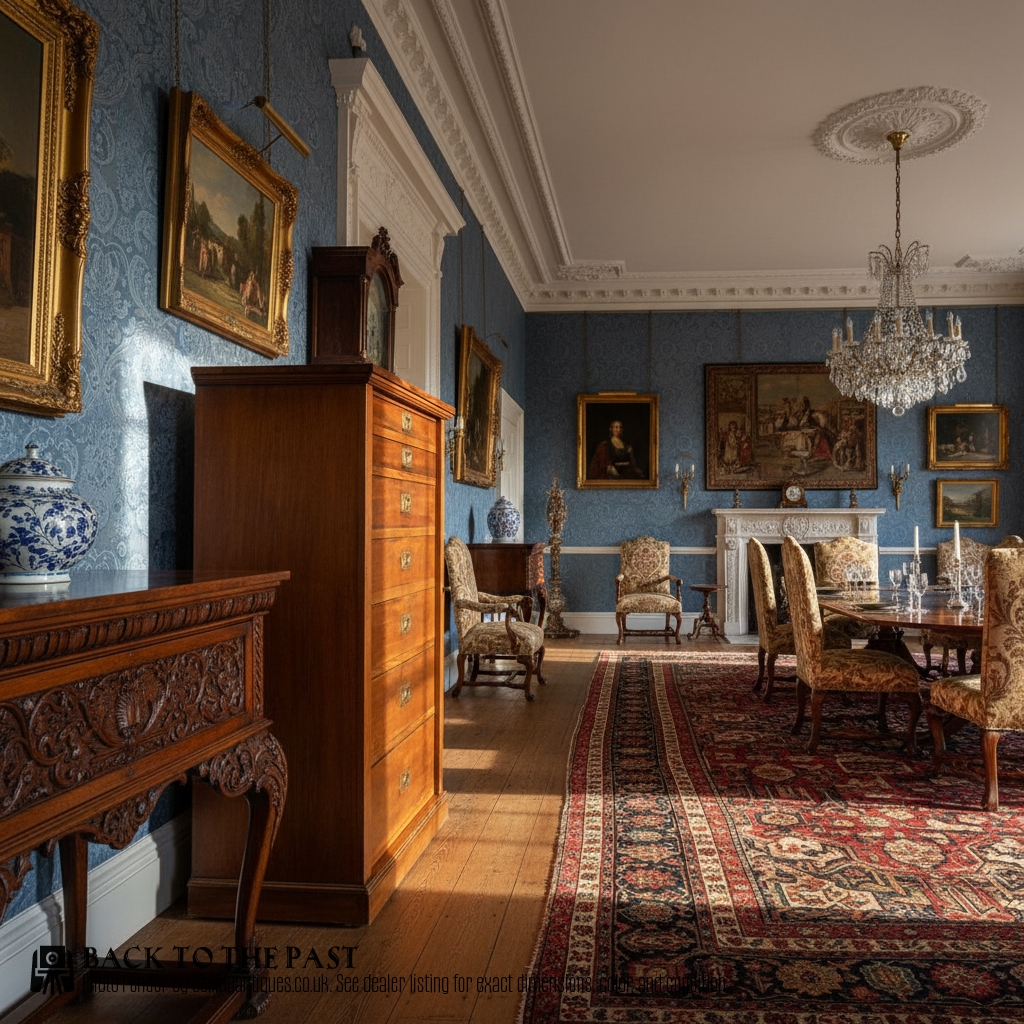
Cabinet makers constructed these carcases using dense timbers such as mahogany, oak, and walnut, frequently selecting figured or flame mahogany veneers for primary display surfaces. Drawer construction relied on traditional joinery to house the graduated tiers securely within the main frame.
Hardware additions included brass handles and pulls, while specific formats like the Wellington chest incorporated locking mechanisms and side pilasters. Carved details such as foliate and green man mask motifs appear on select Victorian oak examples.
Retail Price Guide 2026
Typical UK retail prices for graduated chest drawers, calculated from the Sellingantiques database of over a million retail prices indexed since 2003. This retail price guide relies exclusively on Sellingantiques data; no external sources or auction records are used, so the figures do not describe the wider market.
Listings span the 18th, 19th, and early 20th centuries, recording mahogany, walnut, oak, satin birch, and painted surfaces.
What varies in quality
The refinement of the timber selection dictates the visual impact, particularly where highly figured mahogany, flame veneers, or rich walnut grain are chosen for the drawer fronts. Subtle handling of proportions, from diminutive small-scale chests to tall narrow proportions, separates standard utility pieces from more ambitious cabinet work.
Decorative treatment introduces further distinction, ranging from plain functional surfaces to carved foliate details, bracket feet, and bow-front contours. The integration of solid brass hardware and precise drawer graduation marks the work of skilled makers.
The Graduated Chest Drawers Glossary
- Graduation
- The proportional decrease in the depth of drawers from the bottom of the chest to the top. This scaling creates a balanced facade and places heavier items in deeper lower compartments.
- Bow-front
- A convex curved front facade found on numerous Georgian, Regency, and Victorian chests. This shaping softens the rectilinear profile of the furniture.
- Wellington chest
- A tall, narrow chest of drawers secured by a hinged locking side pilaster that fastens over the drawer edges. It typically contains five or more graduated drawers.
- Bracket foot
- A simple foot shape formed by two pieces of wood mitred together at the corner of a case piece. These feet support many 18th-century and Georgian chests.
Frequently Asked Questions
How do I spot a Georgian chest?
Georgian chests often display clean rectilinear or bow-front profiles in solid mahogany with straightforward bracket feet or apron details. The internal drawer construction and timber choice provide key indicators of this 18th-century origin.
Drawer graduation follows functional proportions, usually starting with two short upper drawers over three longer ones. The absence of heavy factory-made elements helps distinguish pieces from this period.
Where did people place Wellington chests?
Wellington chests were designed as tall, narrow storage units suited to bedrooms or dressing rooms where floor space was limited. Their vertical format allowed for multiple graduated drawers without a large footprint.
The locking side pilaster made them practical for securing personal papers, linen, or small valuables in private quarters.
What is a Scottish Regency piece?
Scottish Regency furniture often incorporates regional timber choices and bold architectural veneers like flame mahogany. These pieces reflect the distinctive design interpretations found in workshops north of the border during the early 19th century.
They frequently feature pronounced grain patterns and robust carcase construction that set them apart from contemporaneous English work.
How do I care for antique mahogany?
Keep mahogany furniture away from direct heat sources and fluctuating humidity to prevent timber movement and veneer splitting. Regular dusting with a dry, soft cloth maintains the finish without chemical buildup.
Conditioning the wood periodically with appropriate wax preserves the depth of the mahogany or flame grain over time.