





Gothic Wooden Religious Sculpture
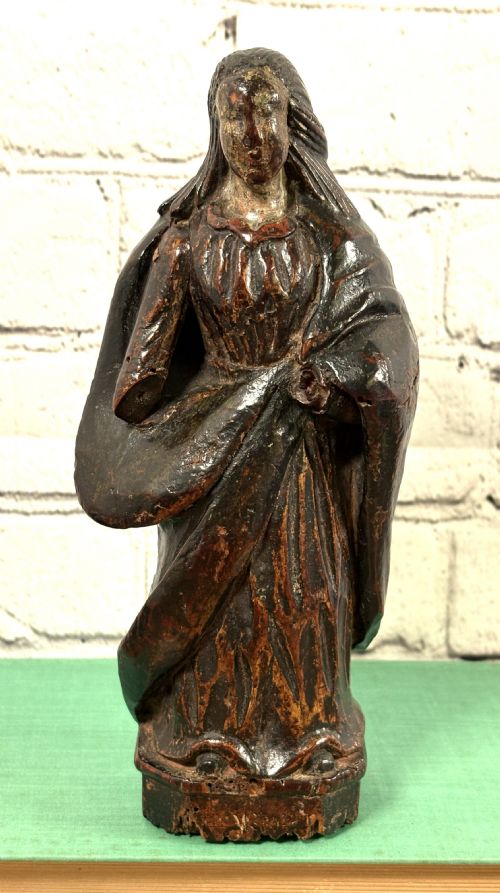
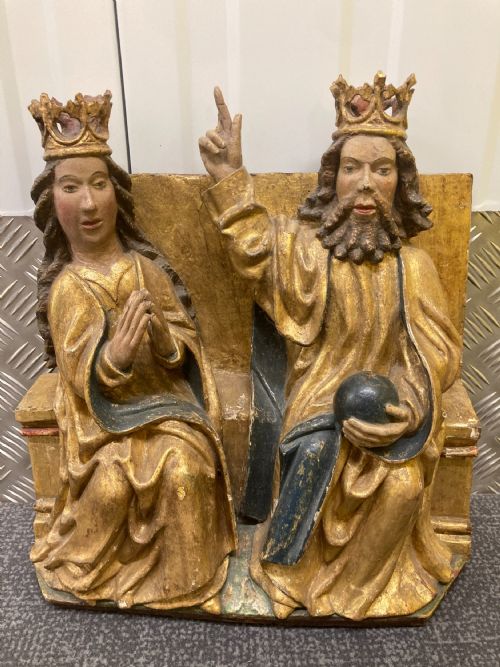
These gothic wooden religious sculpture pieces bring centuries of devotion into a room through carved figures of saints, madonnas, and biblical scenes.
Gothic Wooden Religious Sculpture
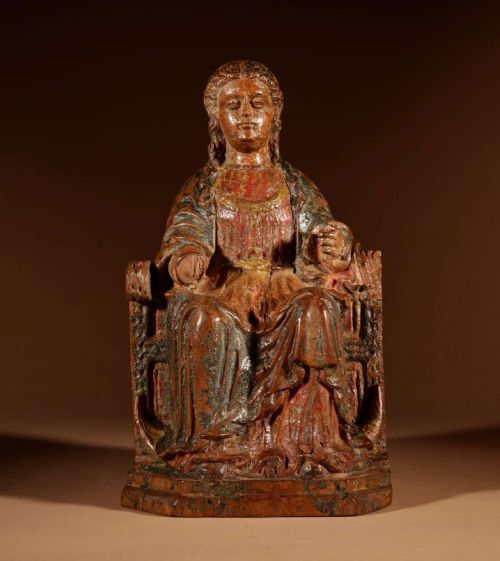
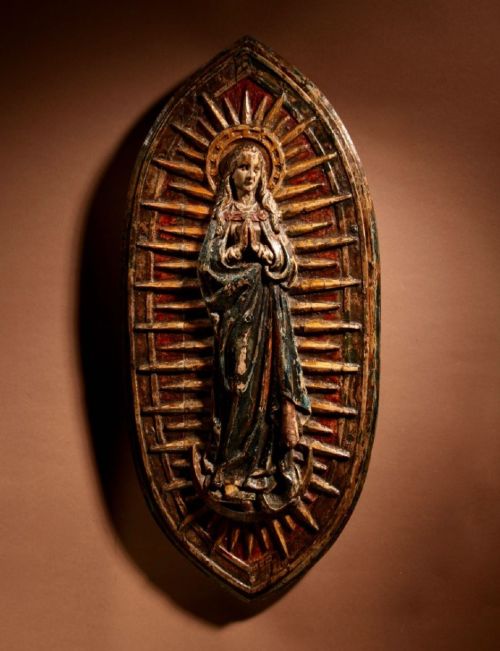
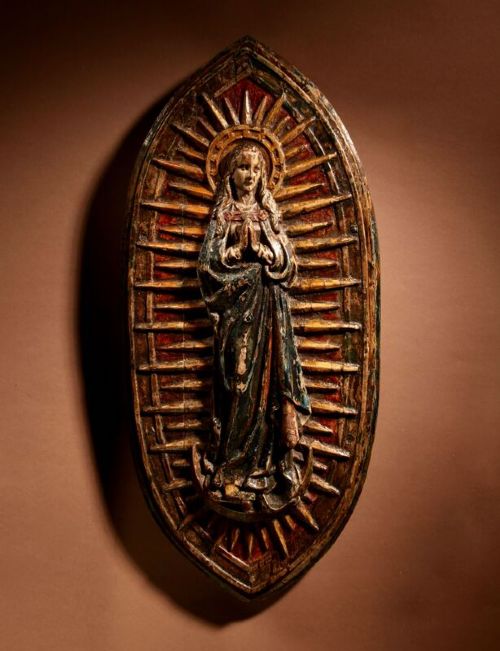
A gothic wooden religious sculpture typically takes the form of standing saints, seated madonnas, and detailed relief panels intended for altarpieces or private devotion. Buyers searching this phrase most frequently encounter 16th-century and pre-16th-century works alongside later 19th-century revivals.
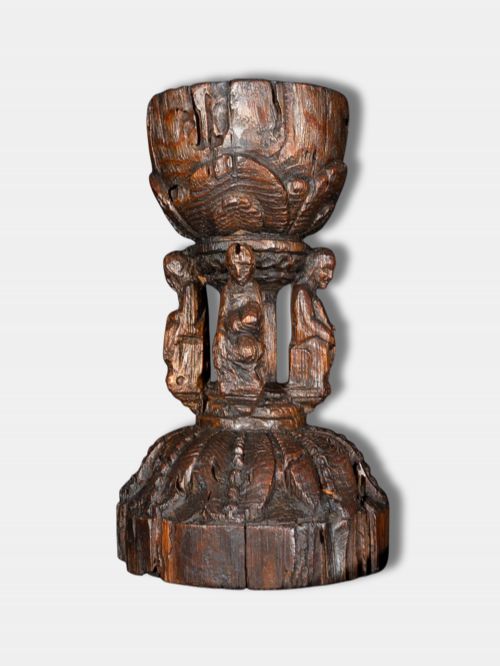
The selection ranges from large church figures and wall sculptures down to intimate busts and chalices originating from regional European workshops. Subjects span standard devotional themes including the Virgin Mary, various apostles, and Christ in various narrative episodes.
Materials and Techniques
Carvers shaped these works primarily from solid oak, limewood, walnut, and pine, working the timber with gouges and chisels to create deep drapery folds and expressive faces. Many surfaces received an application of gesso as a ground layer for subsequent polychrome paint and gold leaf detailing.
Surviving traces of original pigment and gilding frequently remain on older pieces, showing how makers combined woodcarving with surface decoration to achieve vibrant liturgical objects.
Listings feature oak, walnut, limewood, and pine across periods from the pre-16th century through to the 19th century.
The Measure of Quality
The survival of original surface treatments, such as polychrome paint or giltwood layers, elevates an example above stripped timber or later overpainted surfaces.
The Gothic Wooden Religious Sculpture Glossary
- Polychrome
- Painted in several colours. This surface treatment brings depth and realism to carved devotional figures.
- Gesso
- A plaster mixture used as a smooth base for paint and gold leaf. It prepares wood panels and carvings for fine surface decoration.
- Altarpiece
- A structured artwork set above an altar. Central panels often feature high-relief carvings of saints and biblical scenes.
- Limewood
- A soft, pale timber favoured by continental carvers. Its fine grain permits intricate detail without splitting.
- Relief
- Sculpture where figures project from a flat background. These carved panels typically depict narrative religious episodes.
Gothic Wooden Religious Sculpture: Frequently Asked Questions
How old are these sculptures?
The pieces span multiple centuries, ranging from pre-16th century medieval works and 16th-century Renaissance carvings to later 19th-century Gothic Revival interpretations.
Stylistic clues such as drapery treatment and tool marks help separate early ecclesiastical items from later workshop copies.
Where were these pieces displayed?
Original locations included domestic household altars, parish churches, and large ecclesiastical altarpieces across continental Europe.
Many functioned as central devotional panels or devotional statues intended for prayer.
How should I clean wood carvings?
Dust gently with a soft, dry brush to protect fragile surfaces, especially where traces of historic paint or gesso survive.
Avoid liquid cleaners, waxes, or modern polishes that can soften or discolour ancient finishes.
Did these sculptures have paint originally?
Most medieval and Renaissance carvings originally featured layers of gesso, polychrome paint, and gold leaf.
Over the centuries, many pieces lost their colour through stripping or natural wear, leaving exposed oak, walnut, or limewood.