




Gothic Style Occasional Table
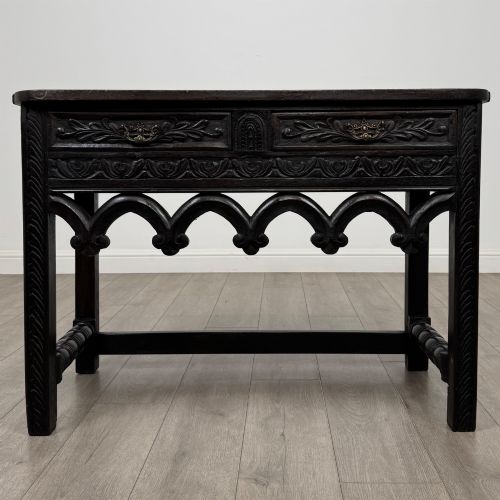
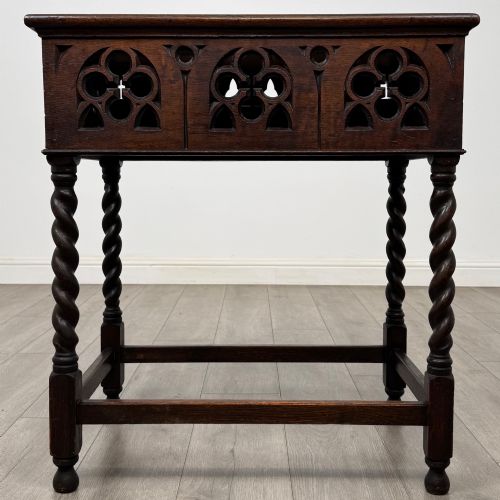
These gothic style occasional table pieces bring medieval architectural lines into domestic rooms, offering sturdy utility with pointed arches and carved details.
Gothic Style Occasional Table
A gothic style occasional table draws upon architectural revivals to bring solid timber forms into domestic spaces for daily use. These pieces function primarily as side, lamp, or centre tables in reception rooms and hallways.
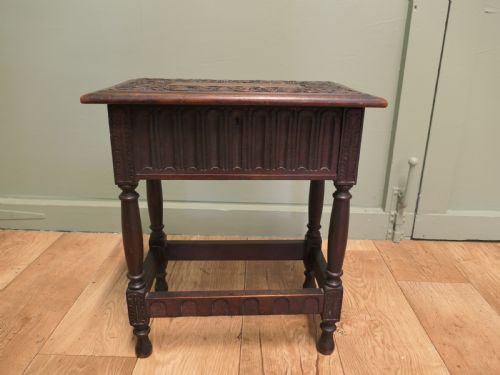
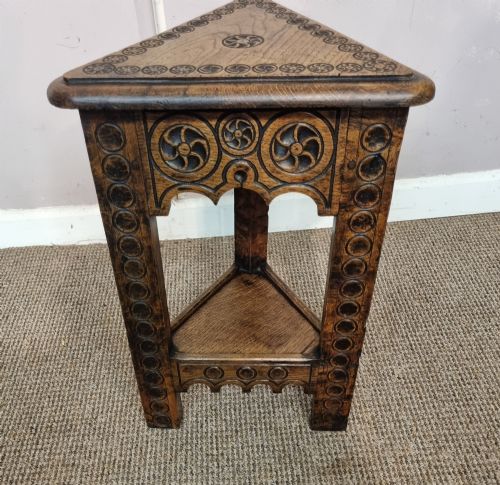
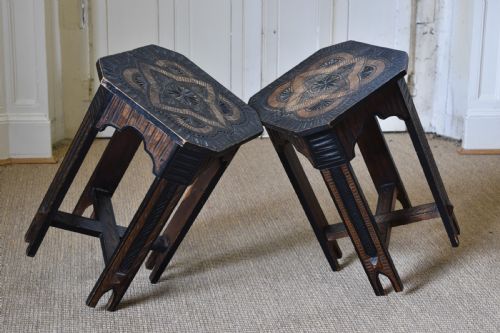
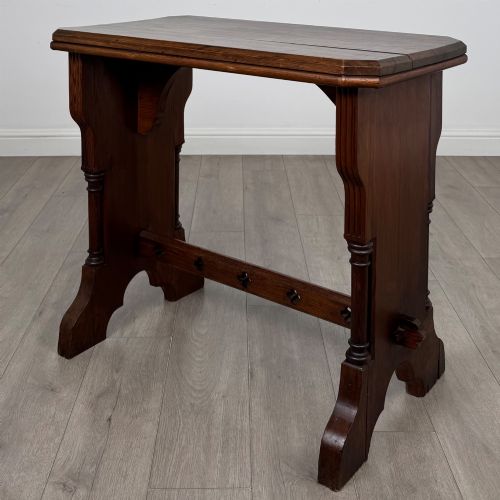
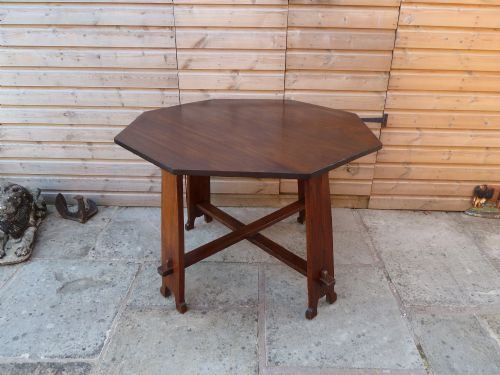
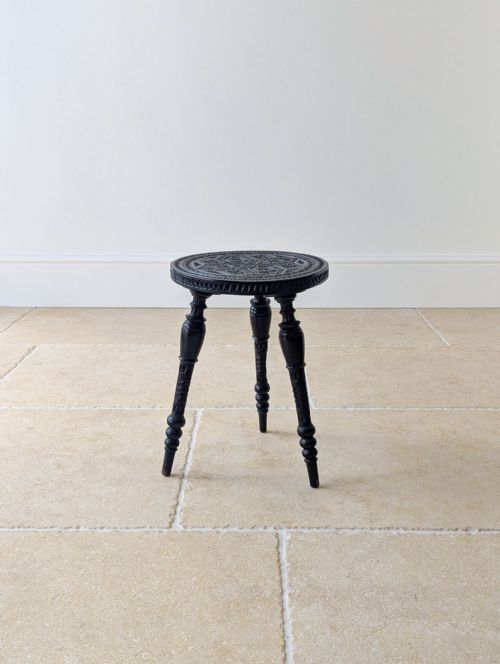
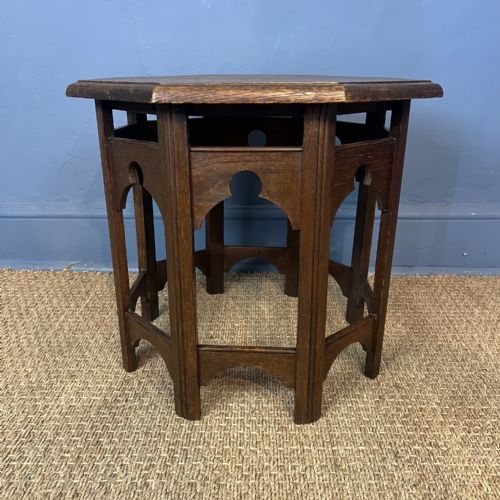
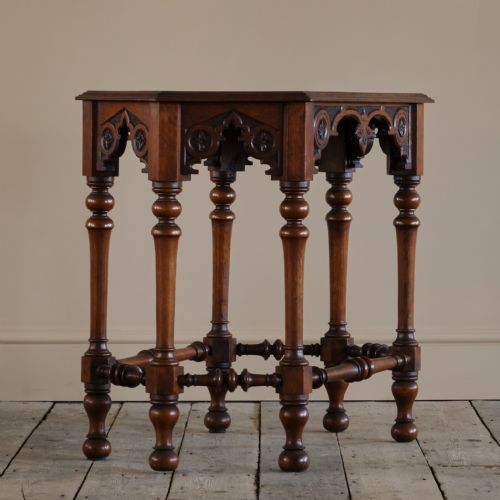
Buyers meet variations ranging from Victorian Gothic and Gothic Reform to Arts and Crafts interpretations. Forms span triangular lift tops, octagonal shapes, and chip-carved lamp tables dating from the nineteenth and early twentieth centuries.
Materials and Construction
Oak remains the predominant timber, accompanied by pitch pine, ebonised hardwood, and stained wood. Makers utilised these sturdy materials to support architectural carvings and heavy tops.
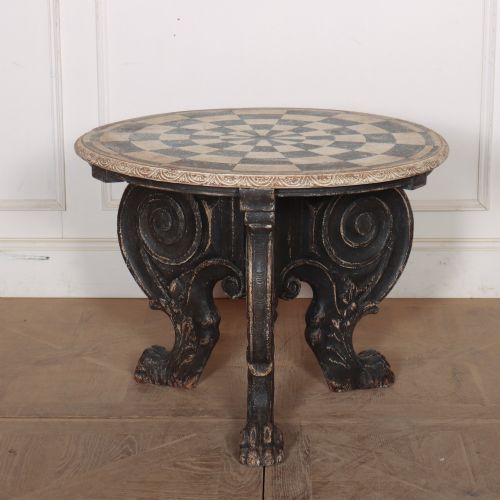
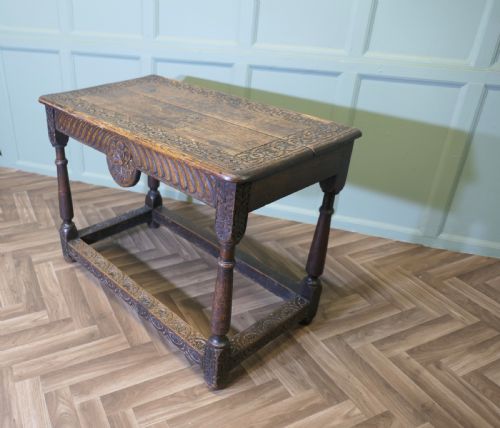
Decoration relies on chip-carving, incised geometric patterns, and structural joinery rather than applied veneers. Some examples incorporate brass or ceramic tile elements into the timber framework.
Listings feature oak predominantly, alongside pitch pine and ebonised hardwood, spanning the nineteenth and early twentieth centuries.
Assessing Quality and Design
Quality rests upon the crispness of the timber carving and the architectural integrity of the design. Pieces displaying deep chip-carving and well-proportioned octagonal or triangular forms command greater attention.
The choice of material also dictates distinction, as dense oak and pitch pine support sharper detail than softer painted wood. Original surface patination further separates standard production from finer workshop execution.
Baillie Scott
The Gothic Style Occasional Table Glossary
- Chip-carving
- A style of relief carving where small chips are removed from a flat wooden surface to create geometric patterns. This technique decorates many period side tables.
- Gothic Revival
- An architectural and decorative movement reviving medieval forms, pointed arches, and heavy timber construction. It heavily influences Victorian furniture design.
- Occasional table
- A small, movable table designed for specific, intermittent use within a room. Examples include lamp tables and side tables.
- Ebonised
- Wood treated with a chemical stain or finish to imitate expensive ebony. This dark finish appears frequently on nineteenth-century decorative items.
Gothic Style Occasional Table: Frequently Asked Questions
How do I date a gothic table?
Dating relies on timber selection, carving style, and construction methods. Nineteenth-century examples often display deep hand-carving and heavier oak frames.
Later pieces from the early twentieth century or Arts and Crafts period tend toward simpler geometric lines and regional workshop designs.
Where should I place these tables?
Their compact size makes them suitable as lamp tables beside seating or as side tables in hallways. They anchor corners and provide stable surfaces for lighting.
Avoid placing them in direct sunlight or damp environments to protect the antique timber and carved surfaces.
What woods were commonly used?
Oak is the primary timber found in these pieces, valued for its strength and suitability for deep carving. Pitch pine and ebonised hardwood also appear across the selection.
These durable materials allowed makers to execute sharp architectural details that survive centuries of domestic use.