

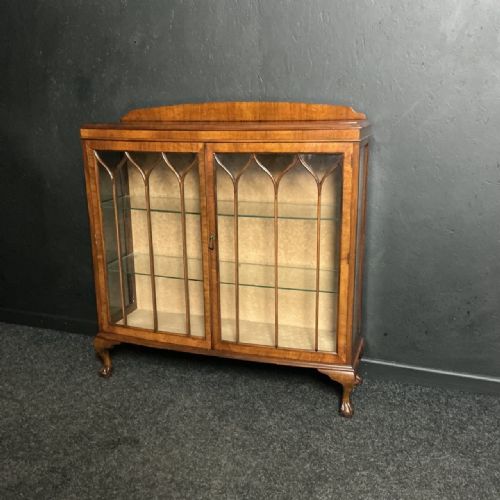
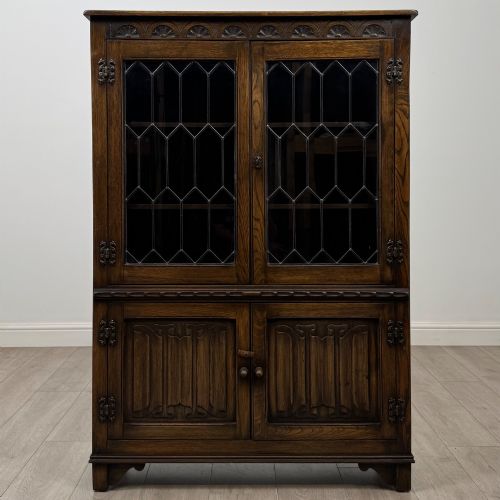
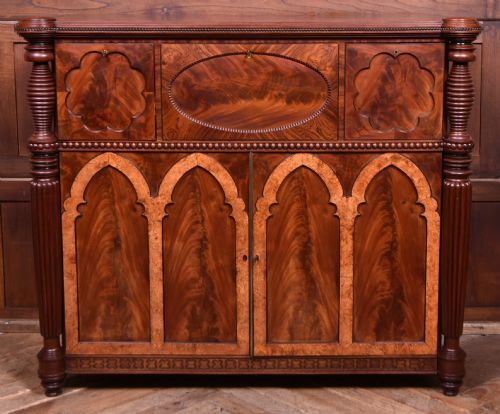
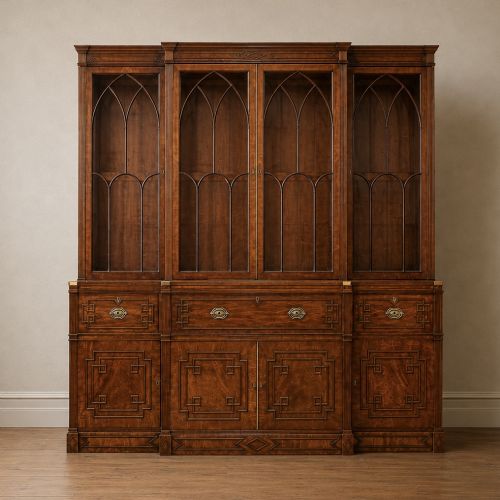


Gothic Style Bookcase
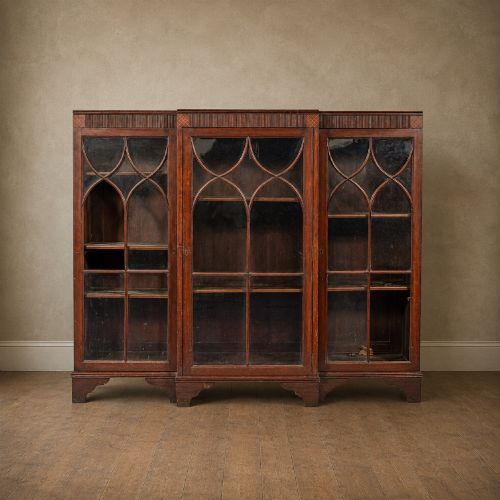
A gothic style bookcase brings architectural presence into a room, combining pointed arches, tracery and dark timber.
Gothic Style Bookcase
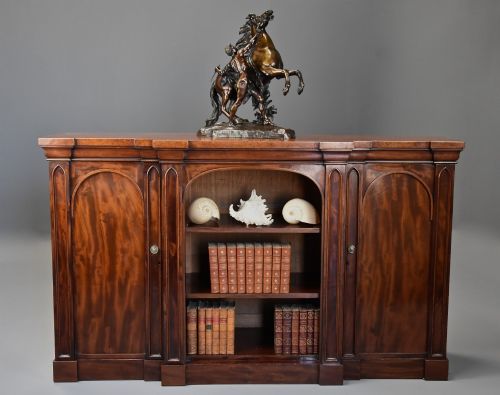
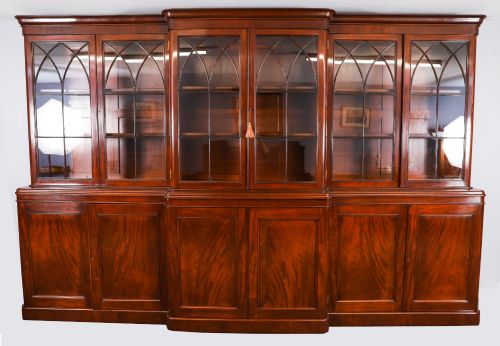
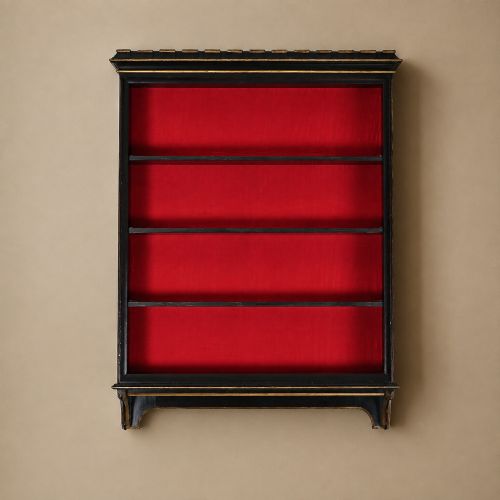
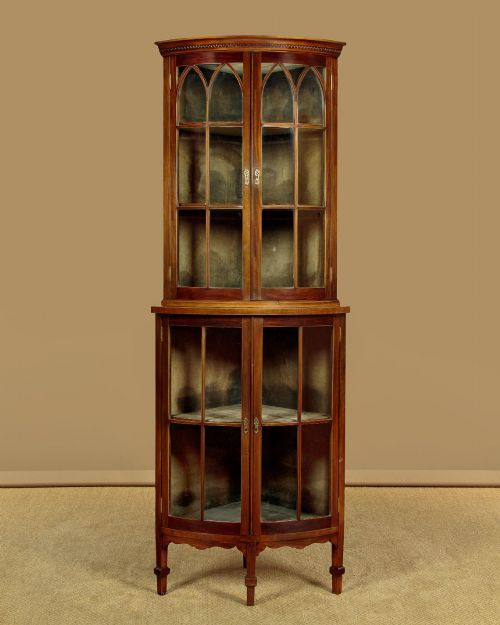
When searching for a gothic style bookcase, you encounter pieces that range from grand Victorian breakfronts to compact wall-hanging cabinets. The most common manifestations on this page lean heavily into Victorian Gothic Revival and 19th-century interpretations employing solid oak, mahogany and ebonised finishes.
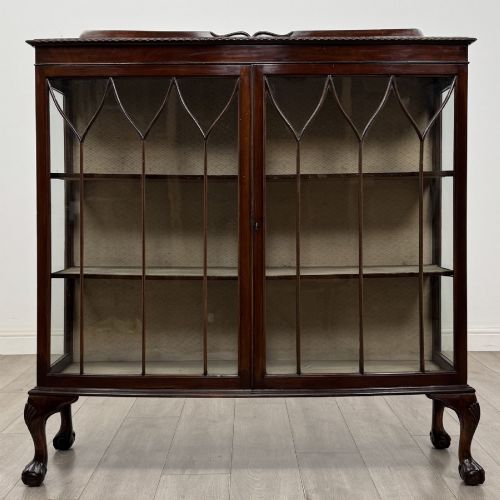
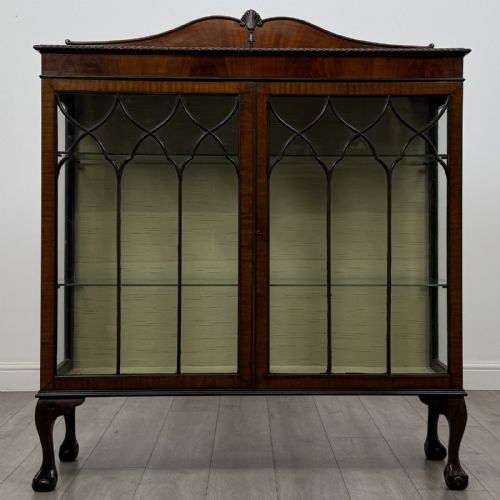
Many items incorporate glazed doors with intricate astragals, leaded glass or crenelated cornices that echo medieval ecclesiastical architecture. Alongside formal breakfront library bookcases, the selection includes bureau bookcases, open shelf units and multi-wood dressers reflecting later revivals.
Origins stretch from the Regency era through the Edwardian period and into 1930s reproductions, showing how cabinetmakers reinterpreted medieval forms for domestic spaces. These pieces served primarily to house substantial leather-bound volumes, keeping private libraries orderly and protected behind glass.
Materials and construction
Construction relies heavily on dense timbers such as oak, mahogany and flame mahogany, often paired with secondary woods like pine for internal carcases. Cabinetmakers utilised solid boards for structural weight alongside fine veneers to create rich grain patterns on large breakfront facades.
Glazing required precise joinery, utilising wood astragals or lead to hold individual panes of glass within arched or geometric door frames. Brass hardware, iron hinges and carved wooden details such as linenfold panels or pointed arches completed the structural assembly.
Gothic Style Bookcase Retail Price Guide 2026
Typical asking prices for gothic style bookcase among the pieces listed under this phrase on Sellingantiques today, from the lower quarter to the upper quarter. They describe what is for sale here now, not the wider market.
Listings span the 19th century, Edwardian era, Regency period and the 1930s, utilising oak, mahogany, glass, brass and lead.
Assessing quality
Quality reveals itself in the architectural ambition of the carving and the depth of the timber selection, such as highly figured flame mahogany or richly grained oak. Superior pieces display crisp tracery, well-defined crenelated cornices and balanced proportions across large breakfront formats.
The sophistication of the glazing bars and the integration of specialised elements, like secretaire drawers with fitted pigeonholes, distinguish standard production from high workshop output. Cabinetmaking attribution, whether to documented firms like Gillows or notable designers, elevates the standing of a piece.
Gillows·James Winter and Sons·George Edmund Street·Pugin
The Gothic Style Bookcase Glossary
- Breakfront
- A piece of furniture whose central section projects forward from the flanking wings. This format creates a more imposing facade suited to large library bookcases.
- Astragal
- A narrow moulding used to hold glass panes within a door frame. In gothic furniture, these often form pointed arches or quatrefoil patterns.
- Crenelated cornice
- A decorative top moulding featuring alternating solid blocks and indentations reminiscent of castle battlements. It is a common feature on gothic revival furniture.
- Linenfold
- A style of wood carving that mimics folded parchment or linen cloth. This technique is frequently found on the lower panels of oak cabinets.
- Secretaire
- A desk disguised as a chest or bookcase drawer, featuring a fold-down front that reveals writing surfaces and small drawers.
Gothic Style Bookcase: Frequently Asked Questions
What defines a gothic style bookcase?
These bookcases draw inspiration from medieval architecture, featuring elements like pointed arches, heavy tracery and crenelated cornices.
They are constructed primarily in dark timbers such as oak and mahogany to project a sense of architectural permanence.
How do I date a gothic bookcase?
Dating relies on timber selection, construction methods and stylistic markers associated with periods like the Victorian Gothic Revival.
Earlier 19th-century pieces often use solid oak or flame mahogany, while later revivals incorporate diverse woods and machine-cut mouldings.
Where were these bookcases used?
They were originally designed for grand libraries, studies and principal reception rooms in country houses and town residences.
Their primary function was to house and protect valuable leather-bound volumes behind glazed doors.
Are these bookcases suitable for modern homes?
Their strong architectural presence makes them natural focal points in studies, living rooms or large hallways.
They require adequate wall space and ceiling height, particularly larger breakfront formats originating from the 19th century.