


Gothic Revival Wall Shelf
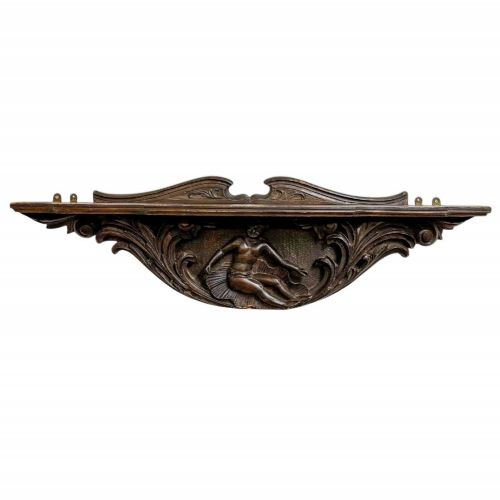
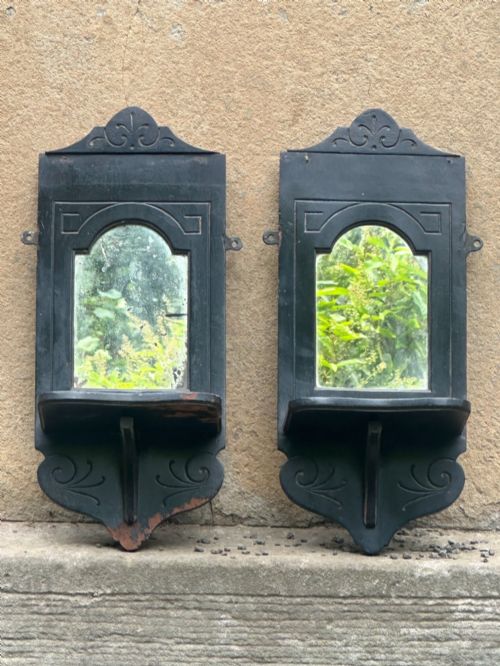
These gothic revival wall shelf pieces bring structured vertical display and rich historic character to a room.
What these pieces are
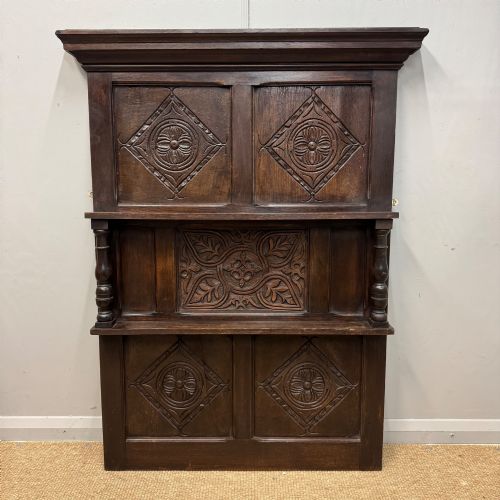
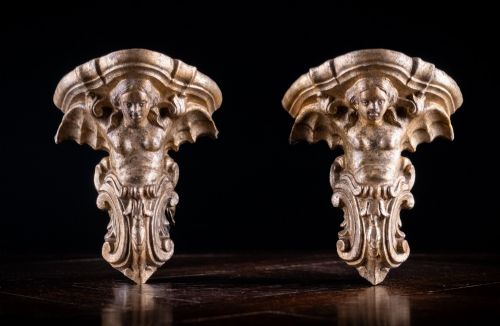
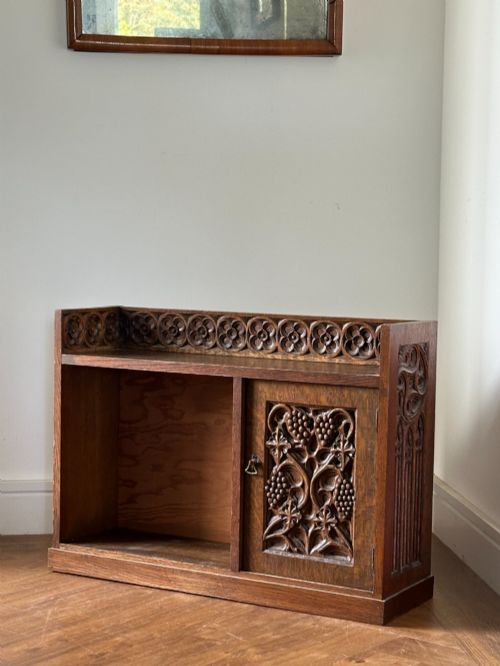
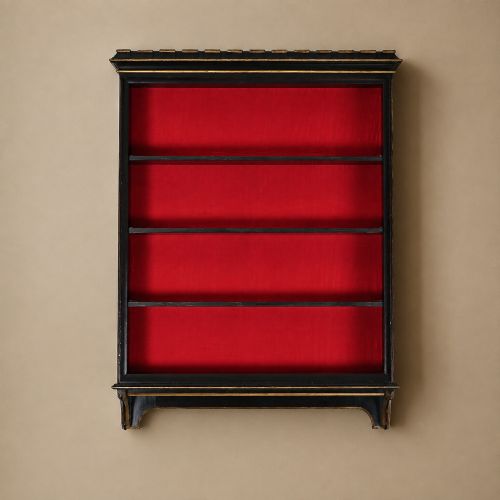
A gothic revival wall shelf provides functional display space while introducing architectural period detail to a room. Pieces matching this phrase take the form of wall shelves, bracket shelves, wall cabinets, and overdoor pediments with integrated shelving.
The selections encountered here span the nineteenth century and the Victorian era, reaching into the early twentieth century around nineteen ten. Formats range from simple timber wall brackets to refined aesthetic period reception hall cabinets with cupboards.
Oak forms a primary choice across these listings, alongside ebonised wood, satin birch, limewood, brass, metal, glass, and rosewood. These materials reflect the diverse material choices employed by makers working within Victorian gothic and aesthetic movement idioms.
How they were made
Construction relies heavily on dense hardwoods such as oak, rosewood, and satin birch, alongside limewood chosen for intricate carving. Timber surfaces are shaped, joined, and frequently carved to express architectural motifs characteristic of the style.
Metal elements including brass and general metalwork appear alongside glass panels in cabinetry and display enclosures. Ebonised wood finishes provide a contrasting dark surface treatment seen in aesthetic period examples.
Retail Price Guide 2026
Typical UK retail prices for gothic revival wall shelf, calculated from the Sellingantiques database of over a million retail prices indexed since 2003. This retail price guide relies exclusively on Sellingantiques data; no external sources or auction records are used, so the figures do not describe the wider market.
Some overdoor pediments double as display ledges, proving that Victorians found a way to put a shelf above literally everything.
What varies in quality
Quality rests in the precision of timber selection, the crispness of carved architectural detail, and the integrity of joint construction. Pieces designated as fine quality demonstrate superior handling of limewood or oak alongside balanced proportions.
The integration of secondary materials like brass hardware, glass panels, or contrasting ebonised timber distinguishes standard utility items from more ambitious aesthetic and gothic revival expressions.
The Gothic Revival Wall Shelf Glossary
- Gothic Revival
- An architectural and decorative style drawing inspiration from medieval forms, pointed arches, and heavy structural framing. It dominated much nineteenth-century design.
- Limewood
- A pale, fine-grained timber favoured by carvers for its even texture and ability to hold crisp, detailed relief work without splitting.
- Satin Birch
- A lustrous hardwood with a natural sheen, utilised during the Victorian era for decorative furniture and display pieces.
- Bracket Shelf
- A small shelf supported by a projecting bracket, designed to mount directly to a wall for display purposes.
- Ebonised Wood
- Timber treated with a chemical stain or finish to simulate expensive ebony, popular in nineteenth-century aesthetic movement pieces.
Frequently Asked Questions
How do I hang a wall shelf?
Most pieces feature built-in hanging brackets or secure fixing points integrated into the backplate or structural supports. Ensure fixings match the weight of dense timbers like oak or rosewood.
Professional wall anchors suited to your specific wall type provide the safest installation for heavier nineteenth-century shelving units.
What rooms suit these shelves?
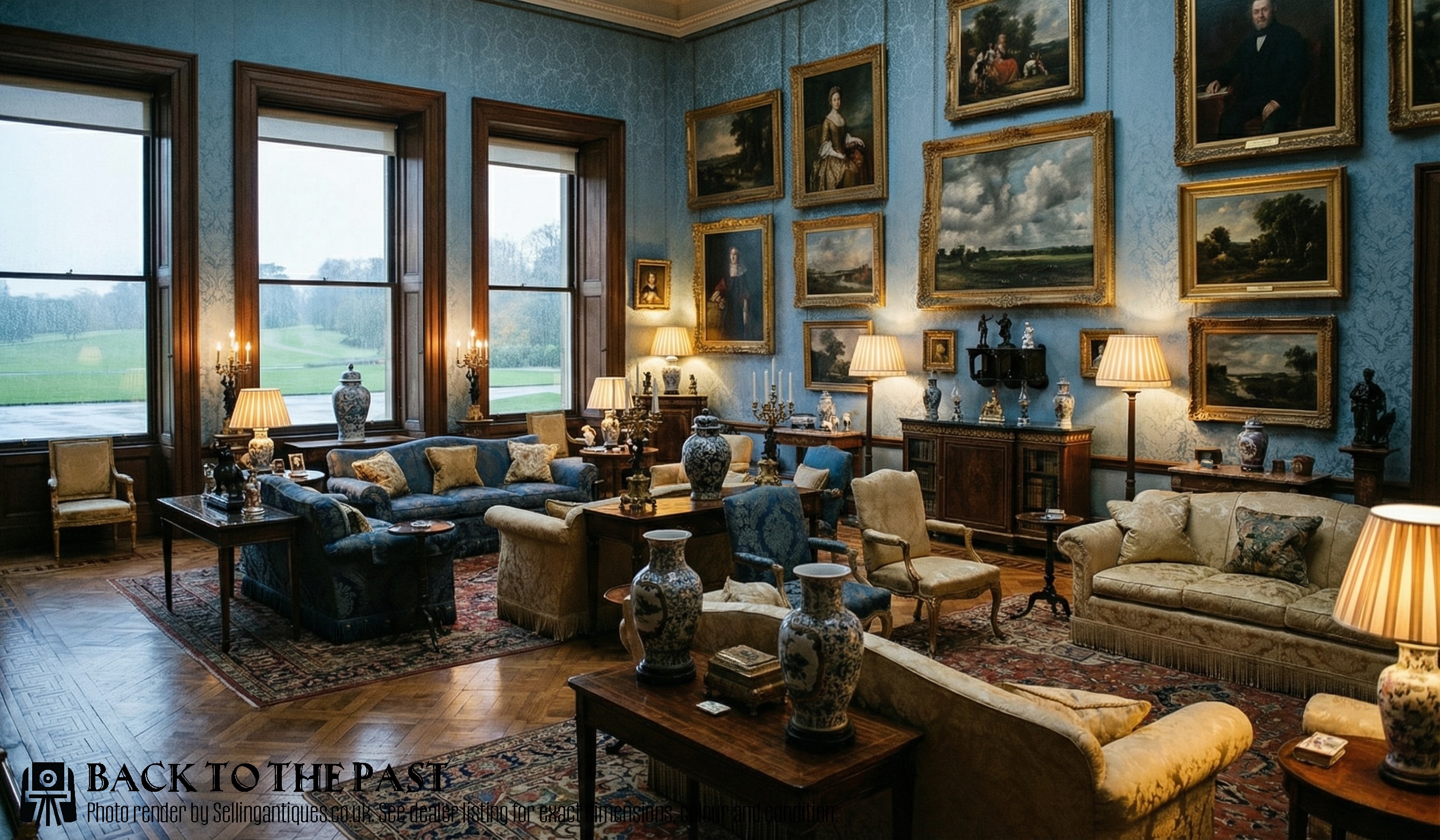
Reception halls, studies, and living spaces accommodate these architectural wall pieces effectively. Smaller bracket shelves fit compact spaces, while larger wall cabinets serve well in hallways.
Matching the dark woods and carved details with traditional interiors enhances the historic character of the room.
How should I clean the timber?
Dust the carved surfaces regularly with a soft, dry cloth to prevent dirt accumulation in intricate recesses. Avoid modern silicone polishes that build up sticky residues on antique finishes.
Applying a traditional beeswax occasionally helps nourish older woods like satin birch, limewood, and oak without harming the patina.
Are these pieces strictly Victorian?
The examples here date primarily from the nineteenth century and the Victorian period, extending into early twentieth-century production around nineteen ten. Stylistic influences span Victorian gothic revival and the aesthetic movement.
Examining the timber choice, construction methods, and hardware helps determine the precise period of origin.