

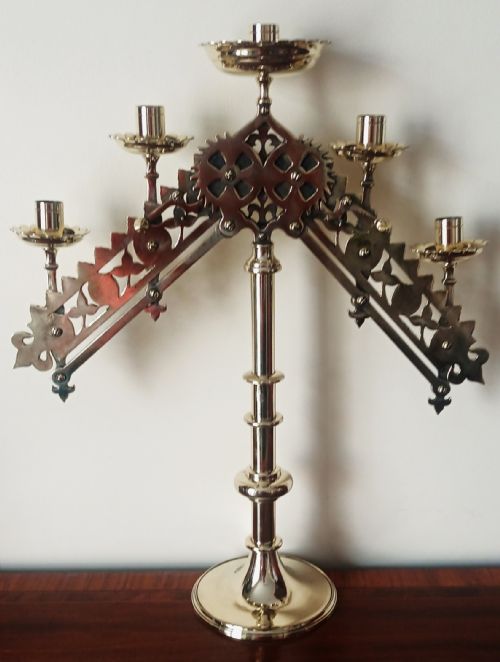


Gothic Revival Ecclesiastical Altar
These gothic revival ecclesiastical altar pieces bring solemnity and architectural power to a room through centuries of sacred craftsmanship.
Gothic Revival Ecclesiastical Altar
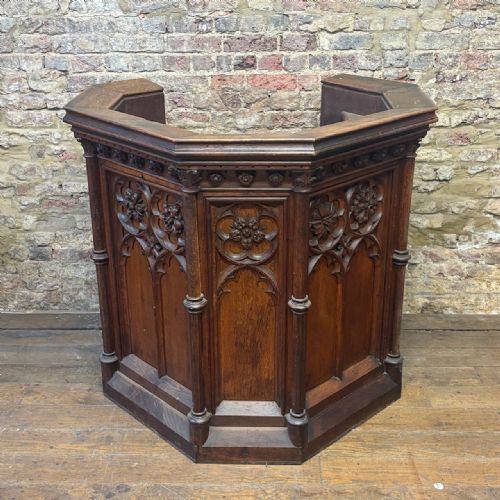
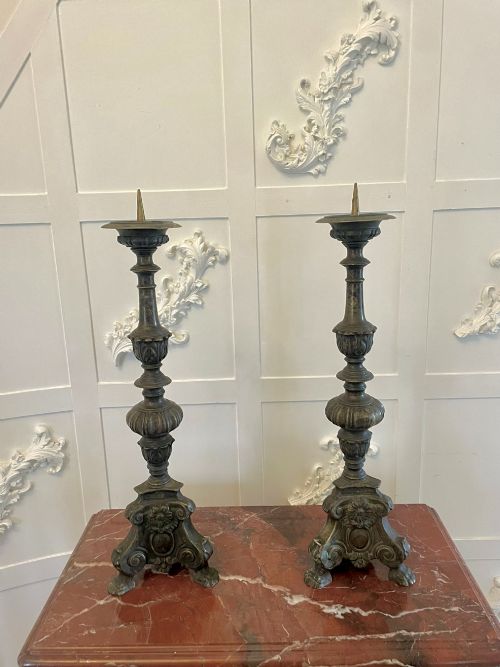
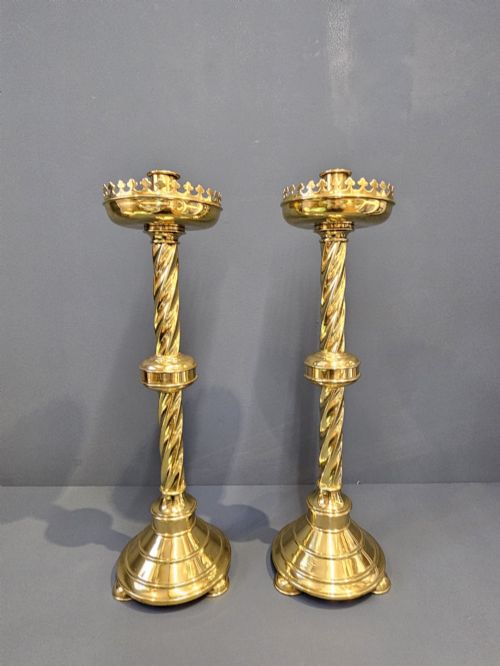
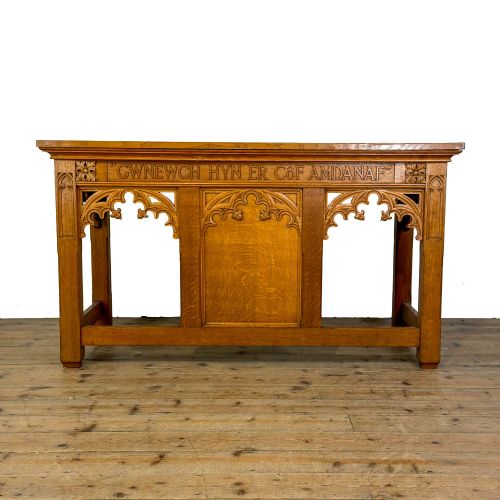
When searching for a gothic revival ecclesiastical altar, buyers encounter furnishings and liturgical metalwork spanning from the eighteenth century through the twentieth century. These items include heavy brass pricket candlesticks, oak altar tables, carved pulpits, and church lamps originating from English, French, and Italian traditions.
The most common form met on this page is the pair of nineteenth century brass church candlesticks, alongside altar tables in oak and pitch pine. These objects carry the distinct pointed arches, tracery, and formal gravity associated with nineteenth century ecclesiastical design.
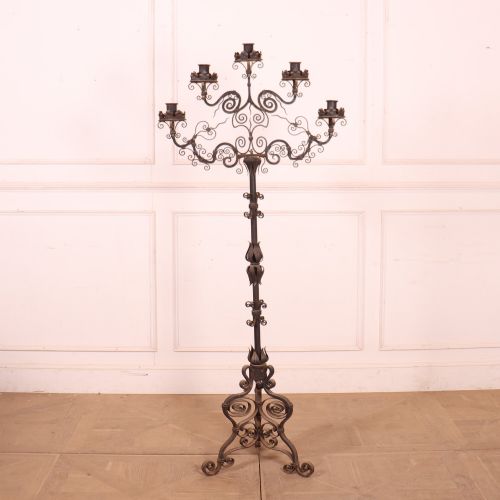
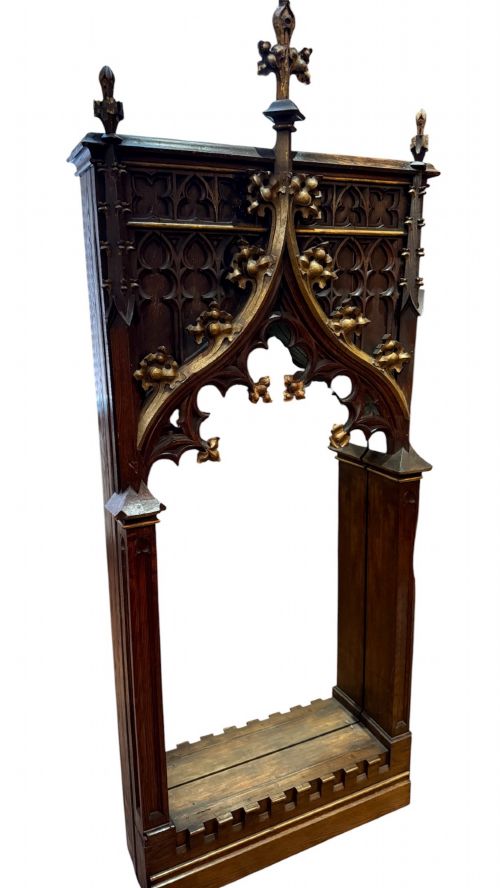
Items range from small altar crosses and chalices to architectural lecterns, floor standing candleholders, and carved wooden mirrors. Each piece reflects the formal demands of church interiors, adapted over successive decades for domestic or institutional settings.
How they were made
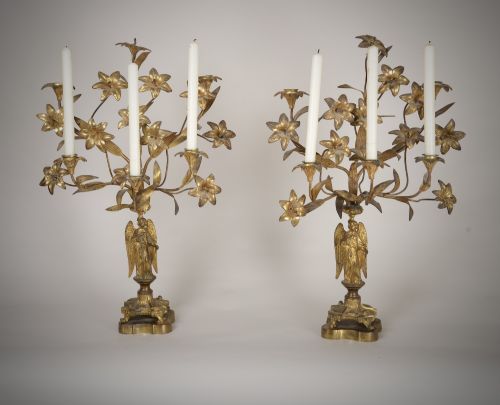
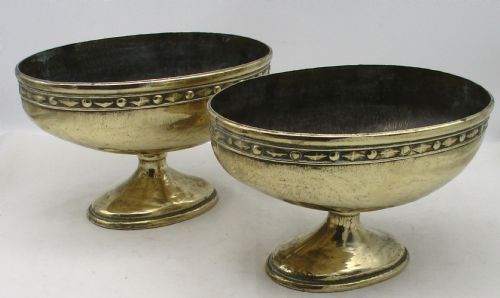
Metal items rely heavily on cast and turned brass, bronze, and gilt brass, frequently produced as matching pairs or garnitures for church use. These components demonstrate substantial weight and robust construction, often incorporating articulated arms or screwed assembly.
Wooden furnishings utilise oak, pitch pine, and other timbers shaped through traditional joinery and deep relief carving. Church tables and pulpits display structural integrity built to withstand heavy daily use within ecclesiastical spaces.
Listings feature items from the eighteenth, nineteenth, and twentieth centuries, spanning Victorian, Edwardian, and French ecclesiastical origins.
What varies in quality
Quality rests in the crispness of the cast ornamentation on metalwork and the depth of the hand-carved detail on wooden tables and pulpits. Superior examples exhibit balanced proportions, heavier gauge metal, and careful finishing that marks them out from plain utility pieces.
The degree of original surface preservation also dictates standard, with untouched patination on brass and aged timber grain commanding greater appreciation. Makers' marks or specific foundry stamps add documentary weight to surviving ecclesiastical items.
T Thomason & Co·Joseph Hansom
The Gothic Revival Ecclesiastical Altar Glossary
- Pricket candlestick
- A candlestick featuring a sharp central spike designed to secure the base of a candle rather than a socket. This form is common on church altars.
- Gothic revival
- An architectural and decorative style drawing inspiration from medieval design, characterised by pointed arches, quatrefoils, and heavy vertical lines.
- Altar table
- A sturdy wooden table positioned at the focal point of a chapel or church for the administration of sacraments. Oak and pitch pine are typical materials.
- Ciborium
- A covered chalice used in churches to hold consecrated Eucharistic bread. These vessels are typically manufactured from heavy cast metals.
- Ecclesiastical
- Relating to the Christian Church or its clergy. In antiques, this describes items designed specifically for use within a place of worship.
Gothic Revival Ecclesiastical Altar: Frequently Asked Questions
What are gothic revival ecclesiastical altar items made from?
These pieces are predominantly constructed from cast brass, bronze, and gilt brass for liturgical metalwork, alongside solid oak and pitch pine for tables and pulpits.
Additional materials include glass, fabric, and iron, reflecting the varied functional requirements of nineteenth century church interiors.
How do I date a brass church candlestick?
Dating relies on manufacturing techniques, weight, and stylistic indicators such as nineteenth century Victorian gothic ornament versus later twentieth century production.
Foundry marks or stamped maker details, when present, provide a more precise point of origin.
Were these items used in churches?
Every piece listed under this heading originated from chapel, church, or institutional ecclesiastical settings, serving specific liturgical or architectural functions.
Candlesticks held candles for services, while altar tables and pulpits formed the central furniture of the chancel.
How should I clean antique church brass?
Antique brass is best maintained with minimal intervention to preserve the dark patination accumulated over generations of use in incense and candle smoke.
Avoid harsh modern metal polishes that strip away historical character and reduce the visual depth of the cast ornament.