



Gothic Revival Ceiling Light
A gothic revival ceiling light brings severe architectural weight and ecclesiastical shadow into domestic rooms through heavy metals and lantern forms.
Gothic Revival Ceiling Light
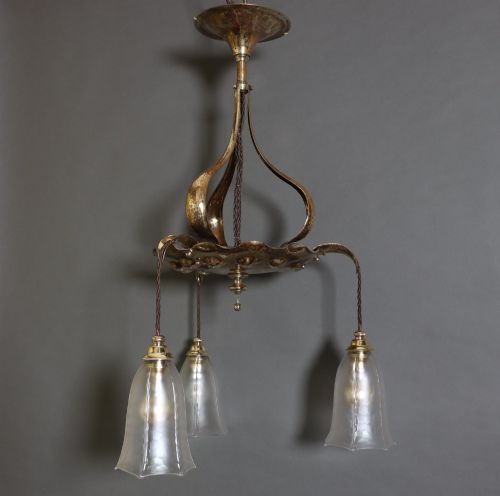
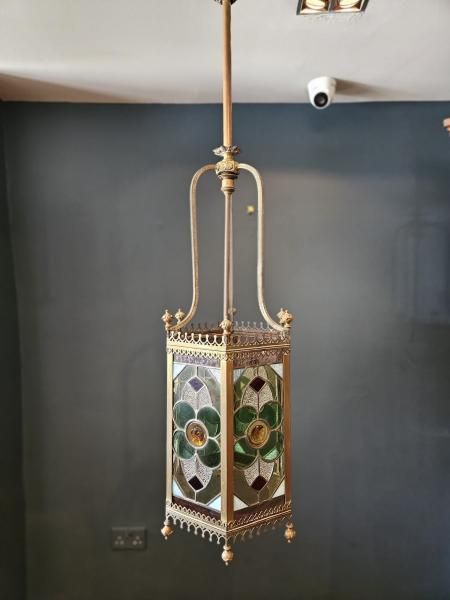
A gothic revival ceiling light encompasses hanging fixtures, pendant lanterns, chandeliers, and multi-branched gasoliers rooted in nineteenth-century architectural movements. The listings show a strong presence of Victorian and Edwardian examples alongside later iterations extending into the mid-twentieth century.
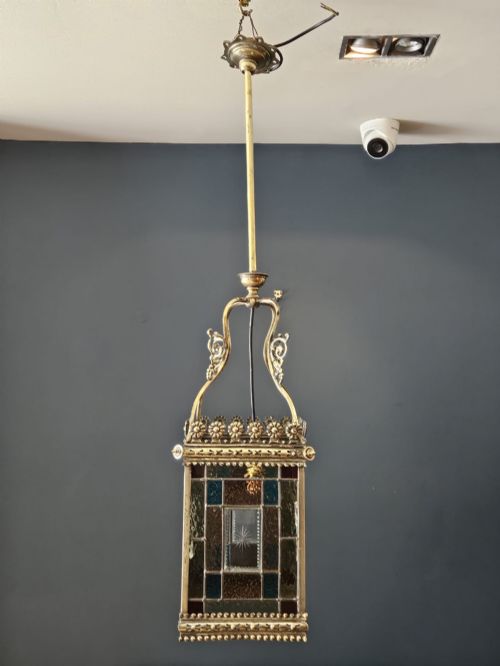
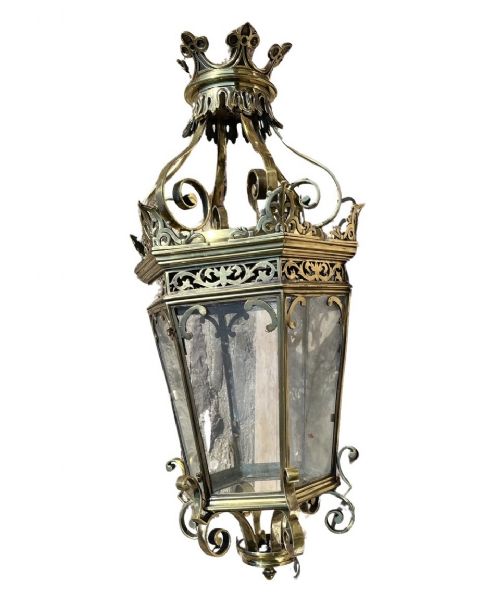
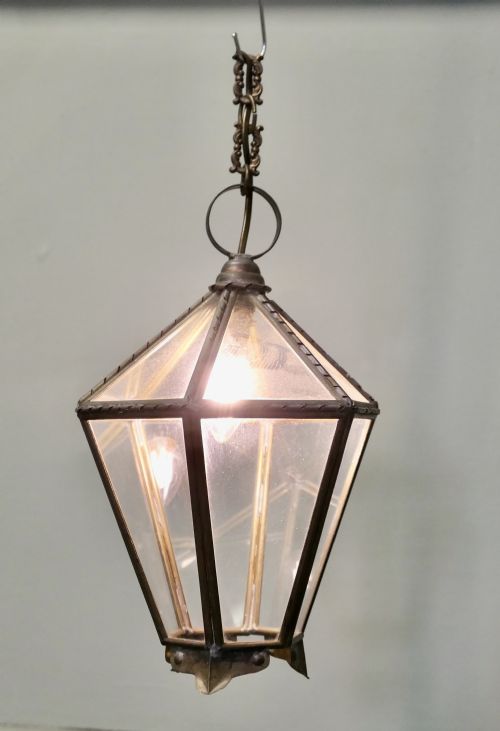
Hexagonal and square hall lanterns dominate the physical forms, often fitted with leaded, opalescent, or coloured glass panels designed to diffuse candle, gas, or early electric illumination. These pieces originate predominantly from British and continental workshops producing domestic hardware with medieval structural references.
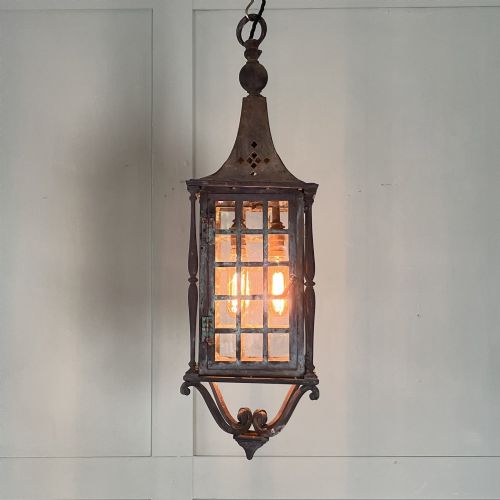
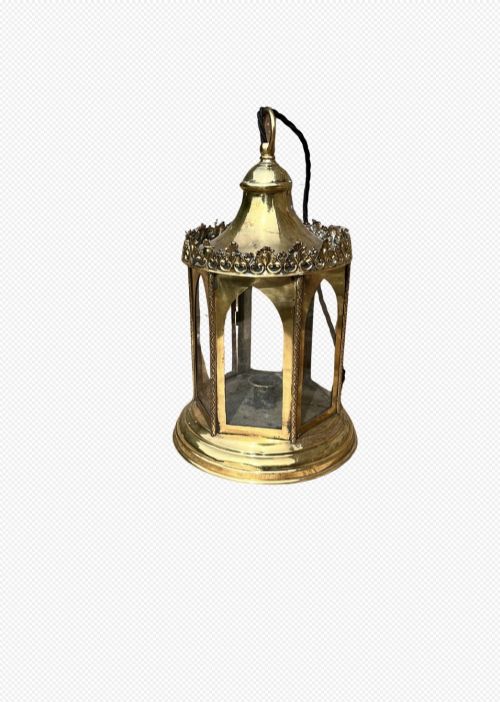
Buyers encounter substantial brass frameworks, bronze fixtures, and wrought iron bodies that echo church architecture and grand institutional halls. The surviving material ranges from simple side lanterns to grand five-branch chandeliers and multi-light corona fixtures.
Materials and construction
Makers utilised cast and forged metals, primarily brass, bronze, wrought iron, and occasionally silver, providing the rigid skeletal structure necessary to support heavy glass panels. Gilded and gilt brass finishes appear alongside patinated bronze and blackened iron to achieve varied surface textures.
Glazing techniques define the visual character, utilising leaded joints, opalescent panes, dimpled coloured glass, and heavy clear glass globes held securely within metal frames. Blacksmith-made ironwork displays hand-hammered details while brass components rely on casting and structural riveting.
A mischievous green man stares out from at least one nineteenth-century copper lantern.
Assessing quality
Quality rests upon the weight and thickness of the primary metal frame and the complexity of its architectural casting. Finer pieces demonstrate crisp detailing in tracery, heavy gauge brass or bronze, and substantial leaded glass construction rather than thin pressed sheet metal.
The integrity of the original hanging mechanisms, specialised glass shades, and signed or attributed metalwork elevate certain examples above standard domestic production. Superior proportions and uncompromised structural assemblies separate modest hallway lanterns from ambitious multi-branch chandeliers.
Joseph Wilmotte
The Gothic Revival Ceiling Light Glossary
- Gasolier
- A multi-branched ceiling light originally designed to burn coal gas before conversion to electricity. These fixtures often feature hollow brass arms and heavy central stems.
- Corona
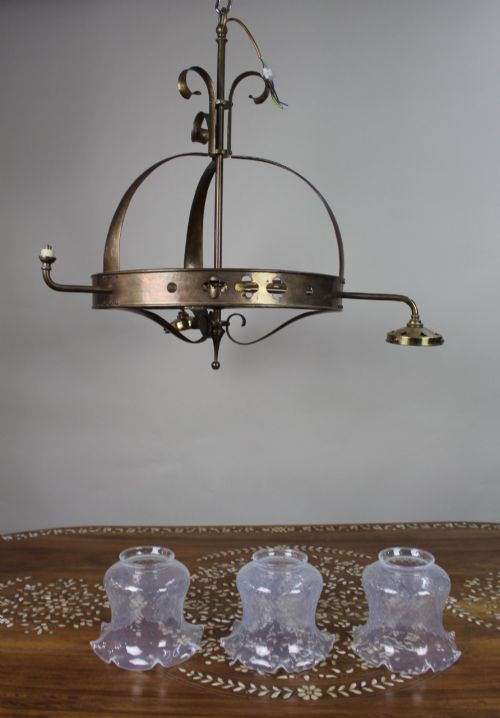
- A circular crown-like hanging light fixture suspended by chains, reminiscent of medieval church lighting. This form typically displays multi-light capacity and structural metal bands.
- Opalescent glass
- A milky, translucent glass that diffuses light softly and creates varied colour effects when illuminated from within. It appears frequently in period shade manufacture.
- Leaded glass
- Individual panes held together by strips of lead came, forming geometric or pictorial patterns within lantern panels. This technique derives directly from medieval stained glass window construction.
- Hall lantern
- An enclosed hanging light designed specifically for entryways and corridors, featuring glazed sides and an access door for maintenance.
Gothic Revival Ceiling Light: Frequently Asked Questions
How do I hang a heavy brass lantern safely?
Suspension requires fixing directly into ceiling joists or installing a heavy-duty metal noggin to bear the substantial weight of cast brass and glass.
Professional wiring and reinforced steel chains ensure the fixture hangs securely without straining the historical mounting points.
Can these antique lights use modern bulbs?
Most surviving fixtures have undergone electrical conversion to accept standard modern lamp holders, though original gas keys or burners are sometimes retained as decorative elements.
Low-heat LED bulbs protect fragile historic glass shades and delicate opalescent panels from excessive thermal expansion.
How do I clean historic glass and metal?
Dusting with a dry microfiber cloth prevents the accumulation of grime on textured, dimpled, or leaded glass panels without disturbing fragile patina.
Harsh chemical polishes should be avoided on patinated bronze and aged brass to preserve the natural oxidation built up over decades.
Where did these lights hang originally?
Domestic installations typically placed hall lanterns in entrance vestibules, stairwells, and high-ceilinged corridors where their imposing vertical proportions could command the space.
Larger multi-branch chandeliers and corona lights illuminated principal reception rooms, libraries, and dining halls in Victorian and Edwardian residences.