


Gothic Metal Pendant
These gothic metal pendant pieces combine medieval architectural motifs with robust hanging illumination for atmospheric interiors.
Gothic Metal Pendant
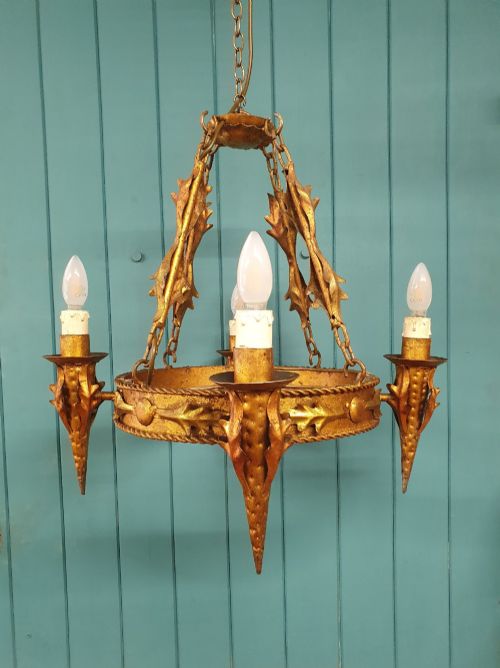
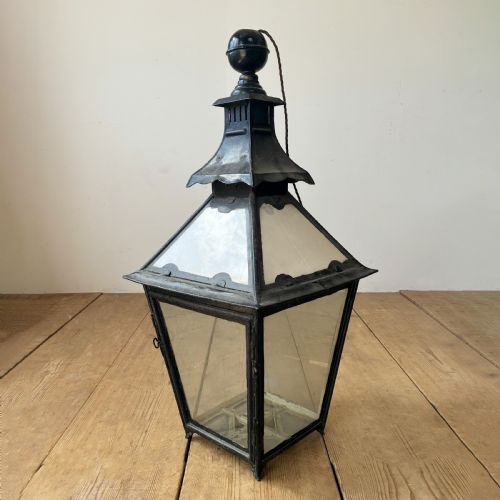
A gothic metal pendant manifests as a hanging light fixture drawing upon historical revival styles such as Victorian Gothic, French Gothic Revival, and Arts and Crafts. These pieces frequently take the form of hall lanterns, ceiling lights, and multi-branched chandeliers designed to suspend from ceilings in hallways, porches, and grand rooms.
The materials and aesthetic span several centuries, with pieces emerging from the eighteenth, nineteenth, and early twentieth centuries. Surviving examples range from simple wrought iron iterations to elaborate brass, bronze, and copper creations incorporating glass elements.
How they were made
Makers utilised heavy ferrous and non-ferrous metals, employing techniques like blacksmithing for wrought iron frames, casting for iron and bronze components, and beating for copper lamp bodies. Structural integrity relied on riveted, soldered, or forged joints designed to support the weight of the metal framework and glass panels.
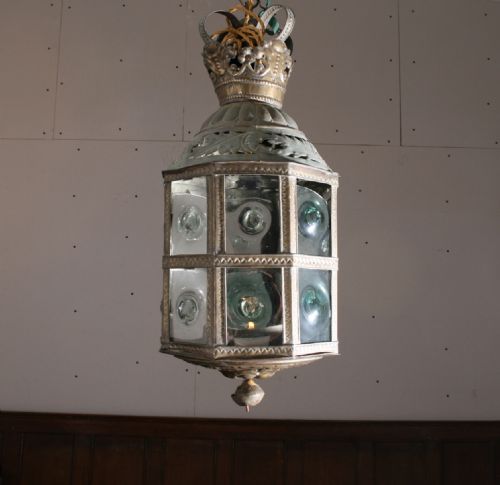
Translucent and decorative elements incorporated hand-blown glass, including bulls eye glass and dimpled red glass, secured within metal cages or frames. Surface treatments involved gilding, patination, and painted finishes to achieve the desired historic appearance.
Listings demonstrate a strong presence of 19th Century and Arts and Crafts pieces utilising wrought iron, copper, and cast iron.
What varies in quality
The standard of a gothic metal pendant depends upon the dexterity of the metalwork, seen in the clean lines of hand-forged wrought iron or the precise detailing of cast bronze and brass ornaments. Superior pieces display thoughtful integration between the metal armature and original glass components, maintaining structural balance and proportion.
Design ambition dictates distinction, separating standard utilitarian porch lights from bespoke architectural creations executed in the manner of notable designers or specific regional workshops. The integrity of the original surface patination and the retention of period components further influence the standing of an individual light fixture.
The Gothic Metal Pendant Glossary
- Wrought iron
- Iron that has been heated and shaped with hand tools by a blacksmith. This material yields a fibrous texture and strength suitable for structural lantern frames.
- Bulls eye glass
- A round pane of glass featuring a prominent central thick point left over from the glassblowing process. It adds optical distortion and texture to lantern windows.
- Corona light
- A circular crown-shaped hanging light fixture suspended by chains. This form relates historically to ecclesiastical metalwork and large church chandeliers.
- Gothic Revival
- An architectural and decorative style drawing inspiration from medieval design elements. It is characterised by pointed arches, quatrefoils, and ecclesiastical motifs.
Gothic Metal Pendant: Frequently Asked Questions
How do I hang a heavy metal pendant?
Suspension requires fixing directly into ceiling joists or structural nogging using appropriate steel hooks and load-bearing chains. Due to the substantial weight of cast iron and wrought iron frames, professional electrical and structural installation is necessary.
Positioning depends on ceiling height and room function, ensuring adequate clearance below for passage while maintaining visual proportion within the space.
How do I clean old wrought iron?
Maintenance involves dusting with a dry microfibre cloth and occasionally applying a light coat of neutral wax to protect the metal surface from moisture. Avoid harsh chemical cleaners or abrasive scouring pads that strip historical patination.
Glass panels can be removed where accessible and washed gently with warm soapy water before being dried and refitted securely into their frames.
Are these lights wired for modern electricity?
Many surviving examples have been adapted with modern internal electrical lamp holders to comply with current safety standards while preserving the exterior antique housing. Rewiring allows integration into standard domestic lighting circuits.
Qualified electricians should inspect older internal wiring components and earth connections prior to regular use in a domestic setting.
What rooms suit a gothic lantern?
These fixtures suit entrance halls, high-ceilinged stairwells, and outdoor porches where their architectural silhouette can be appreciated from multiple angles. Their distinctive medieval aesthetic complements period properties and adds contrast within contemporary interiors.
Careful consideration of scale ensures the physical dimensions of the chandelier or lantern match the volume of the room.